What Should You Look for in a Knee Scooter?
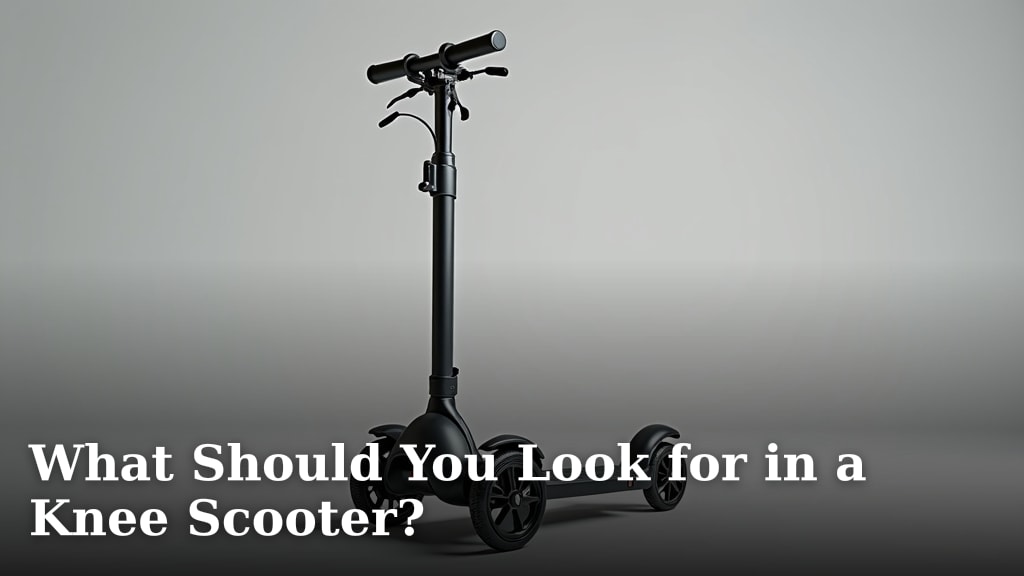
When looking for a knee scooter, you’ll want to focus on a few key features for the When looking for a knee scooter, you’ll want to focus on a few key features; our guide to the parts of a knee scooter explains the components.best support and ease of use. Prioritize a scooter with adjustable height for a
Choosing the Right Knee Scooter for Your Needs
Finding the perfect knee scooter can make a huge difference in your recovery journey. You want a device that feels stable, comfortable, and easy to maneuver. Let’s break down the most important features to consider.
Key Features to Look For in a Knee Scooter
Adjustability: Making it Fit You Perfectly
This is arguably the most important factor. Your knee scooter needs to be the right height for you. If it’s too tall, you’ll feel awkward and unstable. Too short, and your good leg will have to do a lot of extra work.
Handlebar Height
Most knee scooters offer adjustable handlebars. Look for a range that accommodates your height. You should be able to stand upright with a slight bend in your elbow when your hands are on the handlebars. Many experts recommend that the handlebars be about waist-high.
Knee Pad Height
The knee pad is where your injured leg rests. It’s vital that this pad is also adjustable. You need to find a height where your injured leg is comfortably supported and your knee isn’t awkwardly bent or fully extended. Some scooters have a wider adjustment range than others, so check the specifications carefully.
Wheels and Brakes: Steering and Stopping Power
The wheels and brakes are your control system. They determine how smoothly you glide and how safely you can stop.
Wheel Size
Larger wheels generally handle uneven surfaces better. If you plan to use your scooter both indoors and outdoors, consider larger wheels (often 8 inches or more). Smaller wheels are usually fine for smooth indoor floors but can get stuck on thresholds or cracks. We found that 8-inch wheels are a popular choice for versatility.
Braking System
Most knee scooters come with hand brakes, similar to those on a bicycle. It’s important that these brakes are responsive and easy to operate. Some models have locking brakes, which can be helpful when you need to stand still for a moment. Test the brakes to ensure they stop the scooter effectively without a long stopping distance.
Weight Capacity and Stability
You need a scooter that can safely support your weight and remain stable. Always check the manufacturer’s maximum weight limit. Exceeding this can be dangerous and damage the scooter.
Frame Construction
Look for a sturdy frame, usually made of steel or aluminum. These materials are known for their durability and strength. A wider base can also contribute to better stability.
Tire Type
Are the tires solid or pneumatic (air-filled)? Solid tires are maintenance-free and won’t go flat, but they offer a bumpier ride. Pneumatic tires provide a smoother, more comfortable experience, especially on rougher surfaces, but they can get flats. Many users prefer the comfort of pneumatic tires if they’re available.
Comfort and Ergonomics
Recovery can be uncomfortable enough. Your knee scooter shouldn’t add to it!
Knee Pad Padding
The knee pad needs to be well-padded. Look for thick, comfortable padding that will cushion your knee and shin. Some pads are contoured for better support. We found that thicker, gel-infused pads often provide the best comfort for extended use.
Handlebar Grips
Ergonomically designed handlebar grips can prevent hand fatigue and blisters. Look for grips that are comfortable to hold and offer good traction. Many models use rubber or foam grips for added comfort.
Portability and Storage
If you plan to travel with your knee scooter or need to store it when not in use, portability is key.
Folding Mechanism
Many knee scooters are designed to fold for easier transport and storage. Look for a mechanism that is simple and secure. Some models fold completely flat, while others fold up more compactly. Consider how much space you have available.
Weight of the Scooter
While sturdy construction is important, you also don’t want a scooter that’s too heavy to lift into a car or carry up a few steps. Many scooters weigh between 20-30 pounds. We found that lighter models (under 25 lbs) are generally easier to handle.
Additional Features to Consider
Beyond the essentials, a few extra features can enhance your experience.
Storage Bag or Basket
Being mobile means you’ll want to carry things. A built-in storage bag or basket is incredibly useful for keeping your phone, wallet, a book, or other essentials close by. This can make a big difference in your daily independence.
Shock Absorption
Some higher-end models may include shock absorption systems to further smooth out bumps and vibrations. This can be a worthwhile feature if you anticipate using the scooter on varied terrain or if you have sensitive joints.
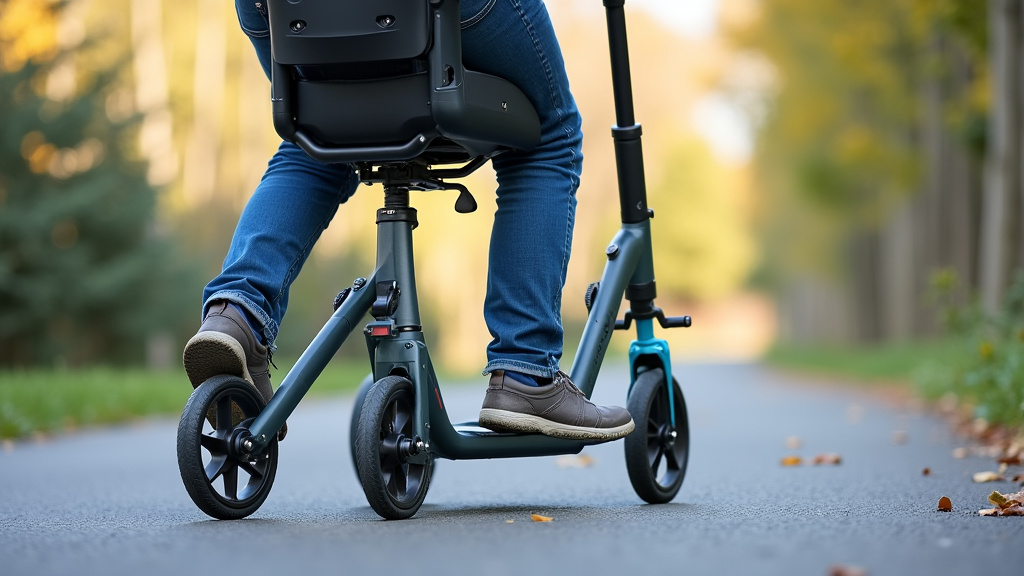
Putting It All Together: Your Knee Scooter Checklist
Here’s a quick rundown of what to double-check:
- Is it the right height? Check both handlebar and knee pad adjustability.
- Are the brakes reliable? Ensure they stop you smoothly and quickly.
- Can it handle your weight? Verify the maximum weight capacity.
- Is it comfortable? Look at knee pad padding and handlebar grips.
- Can you move it easily? Consider folding features and overall weight.
- Does it have helpful extras? Think about storage options.
By focusing on these features, you can find a knee scooter that supports your recovery and helps you move with confidence. Remember, a little research now can save you a lot of discomfort later!
Conclusion
Choosing the right knee scooter is a smart step for your recovery. You’ve learned how important adjustability is for both the handlebars and the knee pad. We’ve seen how wheel size and responsive brakes ensure safe movement. Stability, comfort from good padding, and ease of transport also play big roles.
Take your time to compare options based on these features. By prioritizing what fits your body and your lifestyle best, you can find a knee scooter that truly supports your journey back to mobility. Start by checking the specifications for adjustability and weight limits on models you’re considering.
Frequently Asked Questions
What is the most important feature on a knee scooter?
Adjustability is usually the most critical feature. Both the handlebar height and the knee pad height need to match your body for proper support and balance. Ensuring these are correctly set prevents strain on your good leg and back.
Can I use a knee scooter on rough outdoor surfaces?
Larger wheels, typically 8 inches or more, handle uneven terrain better. Pneumatic tires can also provide a smoother ride outdoors than solid tires. However, no knee scooter is designed for very rough trails; stick to sidewalks and paved paths.
How do I know if the knee scooter will support my weight?
Always check the manufacturer’s stated maximum weight capacity before purchasing. This information is usually found in the product specifications. Make sure the scooter you choose is well above your current weight for safety and durability.
Are knee scooters easy to fold and store?
Many knee scooters feature a folding mechanism for easier storage and transport. Look for models that fold compactly or even flat. The weight of the scooter itself is also a factor; lighter models are generally easier to lift into a car trunk.
What’s the difference between solid and pneumatic tires?
Solid tires are maintenance-free and won’t go flat, but they can provide a bumpier ride. Pneumatic (air-filled) tires offer a much smoother and more comfortable experience, especially on less-than-perfect surfaces. However, they do carry the risk of flats.