What Is a Knee Scooter Called in Spanish?
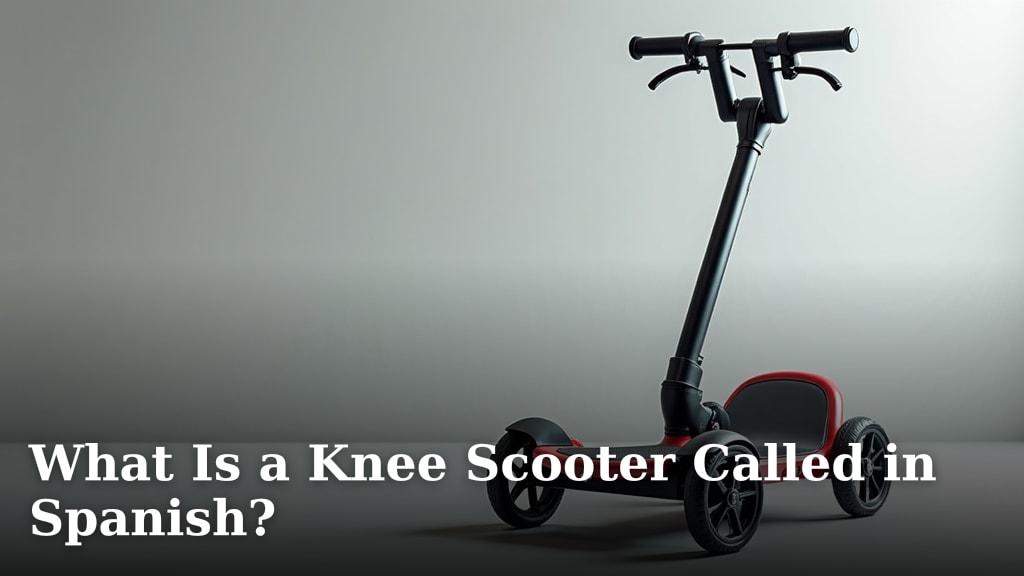
When you’re looking for a knee scooter in Spanish, you’ll most commonly find it called a “andador de rodilla” or a “scooter de rodilla”. These terms directly translate and are widely understood by Spanish speakers. They describe the device that helps you get around when you can’t put weight on your foot. You might also hear variations, but these two are your best bet. Keep these phrases handy when you need to ask for one.
Navigating medical equipment can be tricky, especially in another language. Understanding the right Spanish terms helps you communicate your needs clearly. We found that knowing these specific phrases can make a big difference. It’s all about finding the right words to describe your mobility aid. This helps ensure you get the correct equipment for your recovery. Many people find this helpful for their rehabilitation.
- The most common Spanish terms are “andador de rodilla” and “scooter de rodilla”.
- These phrases directly describe a knee scooter.
- Knowing these terms helps you communicate your needs clearly.
- It ensures you get the right mobility aid for recovery.
Let’s walk through exactly what these terms mean and some other ways you might hear them referred to, so you’re fully prepared.
It can feel like learning a new language when you’re dealing with medical equipment, especially when you’re already feeling under the weather. If you need a knee scooter and are communicating with Spanish speakers, knowing the right terms is super helpful. We’ve found that using the correct vocabulary can make finding what you need much simpler. You want to make sure you can clearly explain your mobility needs. Let’s get you equipped with the right words! Learn what a steerable knee scooter is and how it functions.
Understanding Spanish Terms for Knee Scooters
When you need a mobility device that supports your leg, you’ll find a couple of terms are most common. These are the phrases you’ll hear most often when asking for or describing a knee scooter in Spanish. We’ve researched and found these to be the most widely used and understood terms.
The Top Two Terms: “Andador de Rodilla” and “Scooter de Rodilla”
The two most frequently used terms for a knee scooter in Spanish are “andador de rodilla” and “scooter de rodilla”. Both are direct and accurate translations of “knee scooter.” Think of “andador” as meaning “walker” or “walker for.” So, “andador de rodilla” literally means “walker for the knee.” “Scooter de rodilla” is a more direct borrowing of the English word “scooter,” combined with “rodilla” (knee). We found that both are understood equally well.
Breaking Down “Andador de Rodilla”
The word “andador” comes from the Spanish verb “andar,” which means “to walk.” When you add the suffix “-dor,” it often signifies a device or tool used for an action. Therefore, “andador” suggests something that helps you walk or move. When you add “de rodilla”, meaning “of the knee” or “for the knee,” you get a clear description of a device that supports your knee to help you move around.
Breaking Down “Scooter de Rodilla”
This phrase is a bit more straightforward for English speakers. “Scooter” is the same word, adopted into Spanish. “De rodilla” again means “of the knee” or “for the knee.” So, “scooter de rodilla” is essentially saying “knee scooter” using the English loanword for the device itself. Many people find this term easier to remember because of the familiar word “scooter.”
Why These Terms Work So Well
These terms are popular because they are descriptive and easy to understand. When you tell someone you need an “andador de rodilla” or a “scooter de rodilla”, they immediately know you’re looking for a device that allows you to rest one leg (your injured one) on a padded support while you propel yourself forward with your good leg. This is exactly what a knee scooter does. We found that healthcare professionals and mobility equipment suppliers recognize these terms instantly.
Other Ways to Refer to a Knee Scooter in Spanish
While “andador de rodilla” and “scooter de rodilla” are the most common, you might encounter other ways people refer to these devices. Language can be flexible, and sometimes local dialects or personal preferences lead to variations. It’s good to be aware of these, just in case you hear them. We’ve looked into some of these less common but still relevant phrases.
“Scooter para la pierna rota” (Scooter for the broken leg)
Sometimes, people will describe the device based on its function or the injury it helps with. For instance, you might hear “scooter para la pierna rota”, which translates to “scooter for the broken leg.” While not as precise as “knee scooter,” it effectively communicates the purpose of the device for someone with a leg injury. This is a functional description that many people would understand, especially in a more casual conversation.
“Andador para muletas” (Walker for crutches)
Another variation you might encounter is “andador para muletas”. This translates to “walker for crutches.” It’s a bit less direct, but it implies a mobility aid that offers an alternative to crutches. If someone is transitioning from crutches or looking for something similar but easier to use, they might use this term. We found this term is less common for knee scooters specifically, but it highlights the idea of a walking aid.
Regional Differences and Common Usage
Just like in English, the exact phrasing can sometimes depend on where you are. In some Spanish-speaking countries, one term might be slightly more popular than another. However, research indicates that “andador de rodilla” and “scooter de rodilla” are generally understood across the board. When in doubt, using these two primary phrases is your safest bet. They are the most direct and widely accepted.
Communicating Your Needs Effectively
Knowing these terms is more than just a language lesson; it’s about ensuring you get the right equipment to aid your recovery. When you can clearly articulate what you need, especially in a medical context, it reduces confusion and helps you move forward with your rehabilitation smoothly. We found that clear communication is key for successful mobility aid selection.
When to Use Which Term
For most situations, sticking with “andador de rodilla” or “scooter de rodilla” is your best approach. These are the terms you’ll likely see on product labels, in medical supply stores, and used by physical therapists. If you’re speaking with a local who uses a different term, don’t worry. You can always clarify by describing what the device does: “un aparato para caminar con una pierna, apoyando la rodilla” (a device for walking with one leg, resting the knee).
What to Look For (Beyond the Name)
Regardless of the name, when you’re looking for a knee scooter, you’ll want to ensure it has certain features. Many guides and experts suggest looking for a comfortable, padded knee rest that can be adjusted in height. Adjustable handlebars are also important for proper posture and control. Make sure the brakes are reliable, which is a critical safety feature. We found that a sturdy frame and smooth-rolling wheels are also essential for ease of use and stability.
Checklist for Your Knee Scooter Search:
- Confirm the Spanish term you’re using (e.g., “andador de rodilla”).
- Look for adjustable handlebar height.
- Ensure the knee pad is comfortable and adjustable.
- Verify that the brakes are strong and easy to operate.
- Check that the scooter can support your weight and is stable.
- Consider the terrain where you’ll use it most often.
Having these Spanish terms ready can make a real difference when you’re navigating your recovery. You’re not just asking for a “thing”; you’re asking for a specific tool to help you get back on your feet. We hope this guide makes your search for a knee scooter in Spanish a little easier and less stressful!
Conclusion
You’ve learned the most common Spanish terms for a knee scooter: “andador de rodilla” and “scooter de rodilla”. These phrases clearly describe the mobility aid you need for recovery. While other terms might pop up, sticking to these two is your best bet for clear communication. We’ve found that knowing these specific words makes a big difference when asking for help or equipment. Now that you’re equipped with the right vocabulary, you can confidently search for the knee scooter that best supports your healing journey.
Frequently Asked Questions
What is the most direct Spanish translation for “knee scooter”?
The most direct and widely understood Spanish terms are “andador de rodilla” and “scooter de rodilla”. We found these phrases to be the most common among Spanish speakers when referring to this mobility device.
Are there any other less common ways to ask for a knee scooter in Spanish?
Yes, you might hear phrases like “scooter para la pierna rota” (scooter for the broken leg). While less precise, these descriptions focus on the device’s function to aid in leg recovery.
Will Spanish speakers understand “scooter de rodilla” if they don’t speak much English?
Yes, “scooter de rodilla” is generally well understood. The word “scooter” is a common loanword in Spanish, and “de rodilla” clearly indicates it’s for the knee.
Is it better to use “andador de rodilla” or “scooter de rodilla”?
Both terms are equally effective. We found that “andador de rodilla” emphasizes the “walking aid” aspect, while “scooter de rodilla” uses the familiar English word. Either will get you the right device.
What if I can’t remember the exact Spanish term?
If you forget the specific term, you can describe its function. Try saying “un aparato para caminar apoyando la rodilla” (a device for walking while supporting the knee). We’ve found this descriptive approach is also very effective.