What Are Pneumatic Tires on a Knee Scooter?
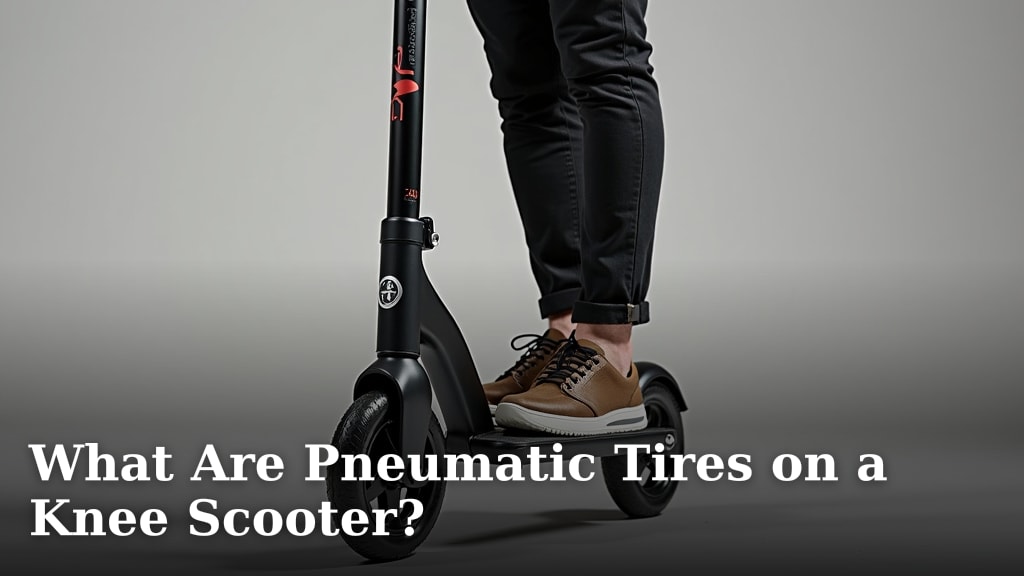
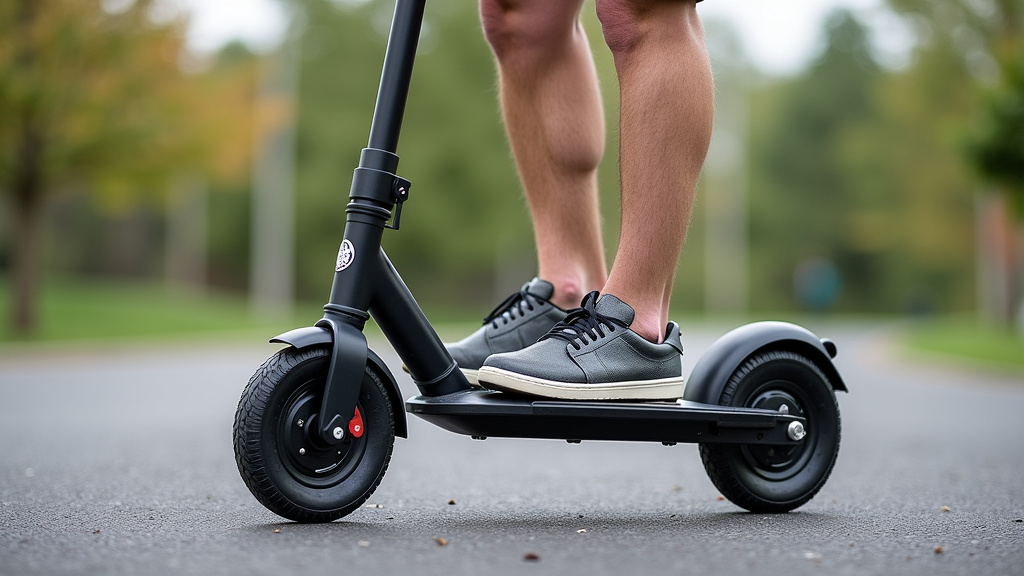
Pneumatic tires on a knee scooter are air-filled tires, similar to those on a bicycle. They provide a smoother ride over bumps and uneven surfaces compared to solid tires. You’ll find these on knee scooters designed for navigating varied terrain.
When choosing a knee scooter, the type of tires makes a big difference in comfort and usability. Pneumatic tires offer better shock absorption, making your recovery journey more pleasant. Many users prefer them for their ability to handle outdoor paths more easily than scooters with solid wheels.
- Pneumatic tires are air-filled, like bike tires.
- They offer a smoother, more comfortable ride.
- They handle uneven surfaces and outdoor terrain better.
- Solid tires are maintenance-free but can be bumpy.
Let’s walk through what makes pneumatic tires a great option for many knee scooter users.
Understanding Pneumatic Tires on Your Knee Scooter
So, what exactly are pneumatic tires on a knee scooter? Think of them like the tires on your So, what exactly are pneumatic tires on a knee scooter? Think of them like the tires on your steerable knee scooter.bicycle or car. They are air-filled tubes housed within a rubber casing. This air inside acts like a cushion, giving you a much softer experience as you move around.
When you’re recovering from an injury, comfort is key. Pneumatic tires are designed to absorb shocks. This makes a big difference on rougher paths. They’re a popular choice for many people who need a knee scooter.
The Science Behind Air-Filled Comfort
The magic of pneumatic tires lies in their air pressure. When you roll over a bump, the air inside the tire compresses. This compression absorbs most of the impact. It’s similar to how a balloon squishes when you poke it. This prevents most of that jarring feeling from reaching you.
Solid tires, on the other hand, don’t have this give. They are made of solid rubber or foam. When they hit an obstacle, the impact goes straight through. This can lead to a much bumpier ride. For those with sensitive knees or who need to travel over varied surfaces, the difference is quite noticeable.
Comparing Pneumatic to Solid Tires
It’s helpful to see how pneumatic tires stack up against their solid counterparts. Each has its own set of pros and cons. Your choice really depends on where and how you plan to use your knee scooter.
Ride Quality and Shock Absorption
Pneumatic tires excel when it comes to smoothness. They are excellent at soaking up vibrations from the ground. This means fewer jolts and bumps transferred to your leg and body. We found that users often report less fatigue after longer periods of use on pneumatic tires. This is a big win for comfort during your recovery.
Terrain Adaptability
Where can you take a knee scooter with pneumatic tires? Pretty much anywhere you can comfortably walk! These tires are great for navigating uneven sidewalks, gravel paths, grass, and even some light trails. The air-filled design allows the tire to conform to the ground beneath it. This provides better traction and stability on surfaces that would give solid tires trouble.
Maintenance and Durability
Now, let’s talk about upkeep. Pneumatic tires are like bike tires – they need air. You’ll need to check the air pressure regularly. Sometimes, they can even get a flat. This means you might need to patch them or replace the inner tube. While this is a drawback for some, it’s often a small price to pay for the comfort they offer.
Solid tires require virtually no maintenance. You don’t have to worry about air pressure or punctures. They are generally very durable and long-lasting. However, this durability comes at the cost of ride comfort. If you plan to stick to perfectly smooth indoor floors, solid tires might be perfectly fine.
Here’s a quick look at the differences:
| Feature | Pneumatic Tires | Solid Tires |
|---|---|---|
| Comfort | High (excellent shock absorption) | Moderate (can be bumpy) |
| Terrain Handling | Excellent (good for outdoor, uneven surfaces) | Fair (best on smooth, indoor surfaces) |
| Maintenance | Requires air pressure checks; can puncture | Low (virtually maintenance-free) |
| Weight | Generally heavier | Generally lighter |
| Cost | Can be slightly more expensive initially | Often more affordable initially |
Benefits of Choosing Pneumatic Tires for Your Recovery
When you’re focusing on healing, the last thing you want is to be uncomfortable. Pneumatic tires can significantly improve your daily experience.
A Smoother Journey Every Day
Imagine navigating your home or neighborhood without feeling every crack in the pavement. Pneumatic tires make this possible. They significantly reduce the vibrations that travel up through the scooter. This makes your rides feel more like gliding than bumping. For individuals with delicate injuries or those who simply value a more pleasant experience, this is a major advantage.
Many rehabilitation specialists suggest that minimizing jarring movements can aid in the healing process. While not a direct medical treatment, reducing discomfort can lead to more consistent use of mobility aids. This, in turn, can help maintain activity levels and promote better outcomes (Cleveland Clinic).
Taking Your Mobility Outdoors
Are you tired of being confined indoors? Pneumatic tires open up a world of possibilities. They allow you to confidently use your knee scooter on a variety of outdoor surfaces. Think about running errands, visiting friends, or simply enjoying some fresh air in the park. The increased traction and shock absorption provide the stability you need.
Research into mobility devices often highlights the importance of outdoor access for mental well-being. Being able to move freely outside can boost your mood and reduce feelings of isolation during recovery. Pneumatic tires on your knee scooter help make this a reality.
Enhanced Stability and Traction
The ability of pneumatic tires to conform to different surfaces gives you better grip. This means less slipping, especially on slightly wet or uneven ground. The larger contact patch with the ground, thanks to the air cushion, provides a more stable platform. This can give you more confidence as you move around, reducing the risk of accidental slips or falls.
When Pneumatic Tires Might Not Be Your Best Bet
While pneumatic tires offer fantastic comfort, they aren’t always the perfect fit for everyone.
Indoor-Only Use Scenarios
If your knee scooter will strictly live indoors on smooth, clean floors, the extra benefits of pneumatic tires might be overkill. Solid tires are perfectly adequate for this environment. They won’t require air checks and are often lighter, which can be easier to maneuver in tight indoor spaces.
Concerns About Punctures and Maintenance
Let’s be honest, nobody wants to deal with a flat tire, especially when they’re relying on their scooter. If you live in an area with a lot of sharp debris, or if the idea of checking tire pressure and potential repairs makes you anxious, solid tires are the simpler choice. They are designed for zero fuss and maximum reliability in terms of not going flat.
Weight Considerations
Pneumatic tires, along with the inner tubes, tend to be a bit heavier than solid tires. This can make the overall knee scooter slightly heavier to lift or transport. If you need to frequently put your scooter into a car or carry it up steps, the extra weight might be a factor to consider. Solid tire scooters are often lighter and more portable.
Making the Right Choice for Your Knee Scooter
Deciding on the right tires involves thinking about your specific situation. What will your daily routine look like?
Assessing Your Typical Environment
Where will you be using your knee scooter the most? Is it mostly smooth indoor floors? Or will you be venturing outside onto sidewalks, driveways, or even park paths? Be honest with yourself about your typical environment. This will guide you toward the tire type that best suits your needs.
Considering Your Comfort Needs
How sensitive are you to bumps and vibrations? If you have any other conditions that make jarring movements uncomfortable, pneumatic tires are likely a better choice. The superior shock absorption can make a significant difference in your overall comfort and well-being during recovery.
Evaluating Your Maintenance Tolerance
Are you comfortable with basic maintenance like checking tire pressure and potentially fixing a flat? If so, pneumatic tires are a great option. If you prefer a completely hands-off approach to your mobility device, solid tires are the way to go. It’s all about finding what works best for your lifestyle and peace of mind.
Here’s a quick checklist to help you decide:
- Do you plan to use your scooter mostly outdoors?
- Do you often encounter uneven surfaces like cracks or gravel?
- Is a very smooth, comfortable ride a top priority for you?
- Are you okay with occasional tire maintenance (checking air, potential flats)?
- Do you need the best possible traction on varied terrain?
- Would a lighter, completely maintenance-free scooter be more appealing?
Conclusion
Deciding between pneumatic and solid tires for your knee scooter comes down to your specific needs. Pneumatic tires offer a smoother, more comfortable ride and excel on varied outdoor terrain thanks to their shock-absorbing air cushion. If you prioritize comfort and plan to use your scooter outside, they are likely your best bet. However, if you’ll be strictly indoors on smooth surfaces and prefer zero maintenance, solid tires might be simpler. Consider your environment, comfort needs, and how much maintenance you’re willing to do to make the right choice for your recovery journey.
Frequently Asked Questions
Are pneumatic tires harder to push than solid tires?
Pneumatic tires can sometimes require a bit more effort to push due to their slightly heavier weight and the potential for rolling resistance, especially if underinflated. However, the added comfort they provide often outweighs this for many users, making the overall experience more pleasant over uneven ground.
How often should I check the air pressure in my pneumatic tires?
It’s a good practice to check your pneumatic tires’ air pressure at least once a week, or before any extended use. Similar to bicycle tires, they can lose air over time. Keeping them properly inflated ensures the best comfort and performance.
Can I use a knee scooter with pneumatic tires on grass?
Yes, knee scooters with pneumatic tires are generally much better suited for use on grass than those with solid tires. The air-filled tires can conform to the uneven surface of grass, providing better traction and a smoother ride than solid wheels, which can sink or get stuck.
What happens if a pneumatic tire on my knee scooter gets a flat?
If a pneumatic tire gets a flat, you’ll likely need to repair or replace the inner tube, similar to fixing a flat bike tire. Some users opt to carry a spare tube or a patch kit for on-the-go repairs, while others may choose to have a local bike shop assist them.
Are pneumatic tires worth the extra maintenance for a knee scooter?
For many users, the enhanced comfort and ability to navigate varied terrain that pneumatic tires offer make them well worth the occasional maintenance. If you need to use your scooter outdoors on sidewalks or paths, the smoother ride can significantly improve your daily experience during recovery.