Types of Knee Scooters: A Practical Guide
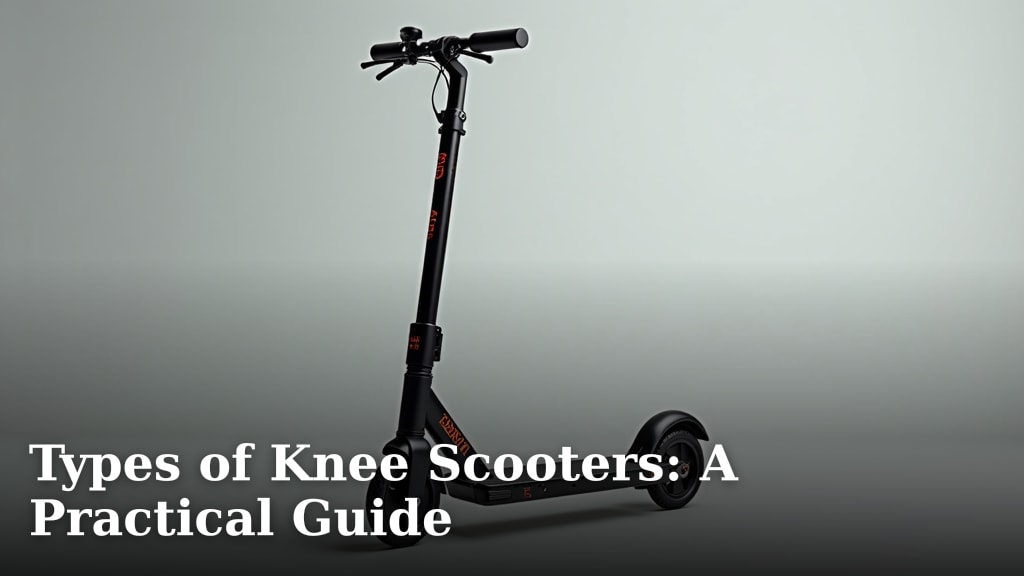
There are several types of knee scooters, each designed for specific needs and situations. The most common are two-wheeled and three-wheeled models, differing mainly in stability and maneuverability. Four-wheeled scooters offer the most stability, ideal for rougher terrain.
Choosing the right knee scooter depends on your mobility challenges and daily activities. Understanding the differences can help you find a device that offers comfort and independence. We’ve researched various options to help you make an informed choice.
- Two-wheeled scooters are great for indoor use.
- Three-wheeled scooters offer better stability.
- Four-wheeled scooters are best for outdoor stability.
- Consider your terrain and activity level.
- Look for adjustable features for a good fit.
Let’s walk through the different types of knee scooters and what makes each one stand out, so you can find the perfect match for your recovery.
Understanding Your Knee Scooter Options
Navigating the world of knee scooters can feel a little overwhelming. You’re likely dealing with an injury, and the last thing you need is more confusion. We’ve researched different types to help you find the best fit for your recovery journey. Think of this as your friendly guide to getting around when walking is tough.
The Basic Breakdown: Wheels and Stability
The main differences between knee scooters come down to their wheel setup and how they handle different surfaces. It’s like choosing between a sturdy sedan and a nimble sports car. Each has its strengths, and knowing them can make a big difference in your daily comfort and safety.
Two-Wheeled Knee Scooters: The Compact Choice
These are often the simplest models available. They typically have two wheels, usually in a tandem or in-line arrangement, like a bicycle. This design makes them very lightweight and easy to steer in tight spaces. You might find them perfect for navigating the hallways of your home or a small office.
Pros:
- Compact and lightweight for easy storage.
- Very maneuverable in narrow areas.
- Often the most affordable option.
Cons:
- Can be less stable than models with more wheels.
- May struggle on uneven surfaces or inclines.
- Stopping can require more effort.
We found that two-wheeled scooters are best suited for users who primarily need to get around smooth indoor environments. If your injury requires limited mobility and you live in a smaller space, this could be a good starting point.
Three-Wheeled Knee Scooters: A Balance of Agility and Support
These models offer a middle ground, providing more stability than two-wheeled versions without sacrificing too much maneuverability. They often have one wheel in the front and two in the back, or vice versa. This wider base helps prevent tipping, giving you more confidence.
Pros:
- Increased stability compared to two-wheeled models.
- Still quite maneuverable in moderate spaces.
- Good for a mix of indoor and some outdoor use on smooth paths.
Cons:
- Can be slightly bulkier than two-wheeled scooters.
- May not be ideal for very rough terrain.
Many users choose three-wheeled scooters because they offer a good balance. You get more confidence from the extra wheel, which is reassuring when you’re not used to using mobility aids. We found that this type is popular for general use around the house and for short trips outdoors.
Four-Wheeled Knee Scooters: Maximum Stability
When you need the most stability, a four-wheeled knee scooter is often the way to go. These models typically have two wheels in the front and two in the back, similar to a car’s wheelbase. This wide stance makes them very stable, especially on varied surfaces.
Pros:
- Highest level of stability, reducing the risk of tipping.
- Often feature larger wheels that can handle slightly rougher terrain.
- Better for outdoor use on sidewalks or less-than-perfect paths.
- Can provide a more secure feeling for users.
Cons:
- Generally the bulkiest and heaviest models.
- May be less agile in very tight spaces.
- Can be more expensive.
Research suggests that four-wheeled scooters are often recommended for individuals who need to navigate outdoor environments more frequently or who simply want the maximum sense of security. They can feel more like a traditional scooter or even a small go-kart in terms of stability, which can be very comforting.
Considering Your Terrain and Activity Level
Your daily routine plays a huge role in which type of knee scooter will serve you best. Are you mostly staying indoors on smooth floors, or do you plan to venture out on sidewalks, gravel paths, or even park trails?
Indoor Use: Smooth Sailing
For the majority of your time spent indoors, on surfaces like hardwood, tile, or carpet, most knee scooters will perform adequately. However, if you have a lot of tight corners or narrow hallways, a more compact and maneuverable two- or three-wheeled model might be your best bet. These are easier to turn and store away when not in use. Many experts suggest that for pure indoor convenience, lighter is often better (Cleveland Clinic).
Outdoor Adventures: Paved Paths and Beyond
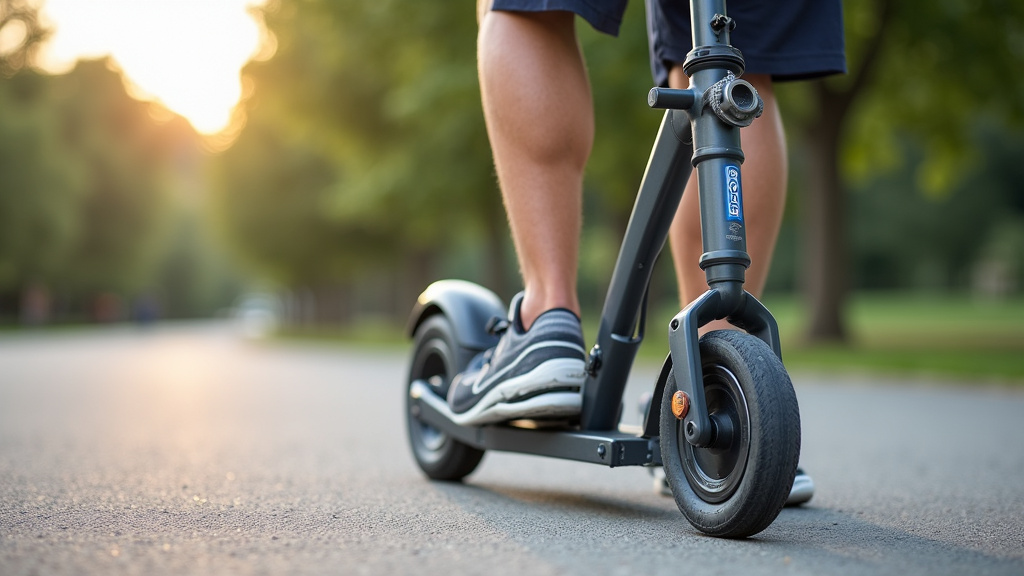
If your recovery plan involves getting outside for fresh air, shopping, or appointments, you’ll want to consider the terrain. For paved sidewalks and smooth paths, a three- or four-wheeled scooter will offer better stability and a smoother ride. Four-wheeled models with larger wheels are particularly good at absorbing small bumps and uneven surfaces. We found that larger wheels (around 8-12 inches) generally handle obstacles better than smaller ones.
All-Terrain or Rugged Use: When Things Get Bumpy
Some knee scooters are designed with larger, air-filled tires. These can tackle more challenging surfaces like grass, gravel, or uneven trails. If your lifestyle requires you to navigate these conditions regularly, look for models specifically advertised as “all-terrain” or those with substantial, durable tires. These can feel much more robust and safer when you’re off the beaten path.
Key Features to Look For
Beyond the number of wheels, several features can significantly impact your comfort and the scooter’s usability. Think about how you’ll be using it most and what will make your day easier.
Adjustability for the Perfect Fit
Your height and leg length matter. Most knee scooters allow you to adjust the handlebar height and the knee pad height. Look for a wide range of adjustability to ensure the scooter fits you comfortably and ergonomically. A properly adjusted scooter helps prevent back strain and ensures you’re not hunched over or overextending. Many guidelines suggest the handlebars should be about waist height for optimal comfort (NIH).
Braking Systems: Stopping Power Matters
Reliable brakes are non-negotiable. Most knee scooters have hand-operated brake levers, similar to a bicycle. Some models might offer a disc brake for added stopping power, while others use a simpler caliper brake. It’s good to understand how the brakes work and to test them if possible. We found that scooters with dual handbrakes offer more control.
Weight Capacity and Durability
Always check the weight capacity of the knee scooter to ensure it can safely support you. Most standard models can hold up to 250-300 pounds, but some heavy-duty options go higher. Also, consider the materials used; a sturdy frame will last longer and feel more secure.
Storage and Portability
Will you need to fold your scooter to fit it in your car trunk or store it in a closet? Many models are designed to fold down for easier transport and storage. Check the folding mechanism and the overall dimensions when folded. Some scooters also come with useful accessories like baskets or cup holders.
Making Your Choice: A Quick Checklist
To help you narrow down your options, ask yourself these questions:
- What is the primary surface where I’ll be using the scooter?
- How important is stability versus maneuverability for my needs?
- Do I need something lightweight and easy to carry?
- What is my budget for this recovery tool?
- Are there any specific features (like larger wheels or folding) that are essential?
- Can I comfortably adjust the height and handlebars?
By considering these points, you’re well on your way to selecting a knee scooter that will make your recovery period smoother and more comfortable. We found that taking a few minutes to weigh these factors really pays off in the long run.
Conclusion
You’ve learned about the different types of knee scooters, from the agile two-wheeled models to the super-stable four-wheeled options. Remember, your choice should match your recovery needs and where you’ll be using it most. We found that considering your terrain, activity level, and key features like adjustability and brakes makes a big difference. Taking a moment to answer our quick checklist questions will help you find the perfect scooter for a smoother recovery. Now, take that knowledge and find the best fit for your mobility.
Frequently Asked Questions
Which type of knee scooter is best for going up ramps or small inclines?
For inclines, a three- or four-wheeled scooter generally offers better stability than a two-wheeled model. Look for scooters with robust braking systems that allow you to control your descent safely. Testing the brakes on a slight incline, if possible, is always a good idea.
Are knee scooters hard to steer around furniture or tight corners?
Maneuverability varies by design. Two-wheeled scooters are typically the most nimble for tight spaces. Three-wheeled models offer a good balance, while four-wheeled scooters can be a bit wider but still steerable. We found that turning radius is a key factor to consider if you have a lot of tight turns in your home.
Can I use a knee scooter on grass or gravel?
Most standard knee scooters are best suited for smooth, paved surfaces. If you anticipate needing to go on grass or gravel, look for models specifically designed as “all-terrain” with larger, air-filled tires. These provide better traction and a smoother ride on uneven ground.
How do I know if the knee scooter will be the right height for me?
Most knee scooters have adjustable handlebars and knee pads. It’s important to find a scooter where you can adjust these to your height for comfort and proper posture. We recommend measuring your leg length and checking the scooter’s adjustment range before buying.
What’s the difference between hand brakes and other braking systems on knee scooters?
The most common system uses hand-operated brake levers, similar to a bicycle, which slow down the rear wheels. Some advanced models might offer disc brakes for stronger stopping power or even a locking mechanism for parking. Always ensure the brakes feel responsive and secure when you test them.