Knee Scooter for Tall People: What It Means
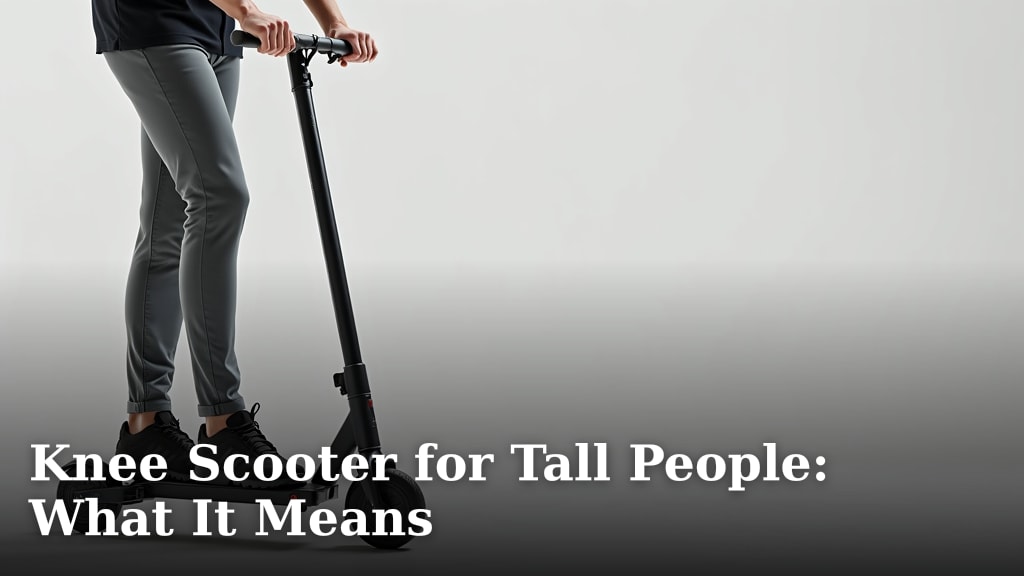
Yes, knee scooters can work great for tall people, but you need to find one with the right adjustability. Not all knee scooters are built the same, and height makes a big difference in comfort and proper use. Finding a scooter that fits your specific height is key to avoiding pain and making your recovery easier.
When you’re taller, standard knee scooters might feel too low. This can put strain on your back and knees, defeating the purpose of the device. We’ve found that looking for models with a higher handlebar range and a longer deck is essential. This ensures you can maintain a comfortable and upright posture while moving around.
- Knee scooters can be suitable for tall individuals.
- Look for models with high adjustability for handlebars.
- A longer deck can also improve comfort for taller users.
- Proper fit prevents strain on your back and knees.
- Choosing the right scooter makes recovery smoother.
Let’s break down what makes a knee scooter a good fit for taller folks and how to choose the best one for your needs.
Making Knee Scooters Work for Taller Folks
You might be wondering if a knee scooter is even an option when you’re on the taller side. The good news is, yes, they absolutely can be! The key isn’t whether knee scooters are suitable for tall people, but rather finding the right kind of knee scooter that fits your unique body measurements.
Think of it like buying pants. If you’re tall, you need “long” or “tall” sizes. Knee scooters are similar. Standard models are often designed for average heights. If you’re significantly taller than average, you might find these too low, leading to discomfort. We’ve found that focusing on adjustability is your best bet for a comfortable recovery.
Key Features for Tall Users to Look For
When you’re shopping for a knee scooter, a few specific features will make a big difference for taller individuals. It’s all about getting that perfect, comfortable fit so your recovery is as smooth as possible.
Handlebar Height Adjustability is Non-Negotiable
This is perhaps the most critical feature for taller users. The handlebars are what you’ll be gripping for balance and propulsion. If they’re too low, you’ll find yourself hunching over.
Hunching puts unnecessary strain on your back, shoulders, and neck. It can also make it harder to steer and maneuver. We found that looking for scooters with a wide handlebar adjustment range is essential. Some scooters might only go up to a certain height, which is fine for many, but not for those who need more vertical space.
What height are we talking about? Many standard scooters have a maximum handlebar height around 38-40 inches. If you’re over 6 feet tall, you’ll want to look for models that can comfortably reach 42 inches or even higher. Always check the product specifications for the maximum handlebar height.
Deck Length and Your Leg Room
The deck is where you rest your injured leg. For taller individuals, a longer deck means more room for your leg. This prevents your knee from feeling cramped.
When your leg is fully extended on a too-short deck, it can feel unnatural. This can lead to increased pressure on your hip and even affect your posture. We’ve seen that a longer deck provides a more stable and comfortable platform for your injured limb. It allows for a more relaxed position, reducing strain.
What constitutes a “long” deck? While standard decks might be around 16-18 inches, taller users often benefit from decks that are 20 inches or more. This extra length can be a game-changer for comfort during extended use. It’s about giving your leg the space it needs to heal without added discomfort.
Wheel Size and Ground Clearance
While not as directly tied to height as handlebars and deck length, wheel size can indirectly impact how a scooter feels for a taller person. Larger wheels generally provide a smoother ride over bumps and uneven surfaces.
Taller individuals might naturally have a slightly higher center of gravity. Larger wheels can contribute to better stability. They also mean the deck sits a bit higher off the ground, giving you more clearance over obstacles. We found that scooters with 10-inch wheels often offer a superior experience compared to those with smaller 8-inch wheels, especially if you’re navigating varied terrain.
Weight Capacity and Sturdiness
This is a general consideration for all users, but it’s worth mentioning. Taller individuals might sometimes weigh more. Ensure the scooter you choose has a weight capacity that comfortably exceeds your body weight.
Most knee scooters are built to be sturdy, but it’s always wise to check. A scooter that feels solid and doesn’t wobble will provide more confidence and safety. We found that looking for models with a higher weight limit (e.g., 300 lbs or more) often indicates a more robust construction.
What to Measure Before You Buy
To ensure you get a scooter that fits, taking a couple of quick measurements at home can save you a lot of hassle. You’ll want to measure yourself in a way that mimics how you’ll use the scooter.
Measuring Your Leg Length for the Deck
First, you need to figure out the ideal deck length for your injured leg. Sit on a chair with your injured leg extended straight out in front of you. Measure from the back of your knee to the tip of your heel.
This measurement will give you an idea of how much length you need for your leg to rest comfortably. You’ll want a deck that can accommodate this length without your heel hanging off or your leg feeling too bent. Some manufacturers provide charts that can help you match your leg length to their deck dimensions.
Measuring Your Height for Handlebars
Next, stand up straight. Have someone help you measure from the floor to your elbow when your arm is hanging loosely at your side. Your elbow should be bent at a slight angle, around 15-20 degrees, when you’re gripping the handlebars.
This elbow height is the target range for your handlebar adjustment. Knowing this number will help you quickly determine if a scooter’s maximum handlebar height is sufficient. Remember, you want to be able to stand upright without slouching.
Common Pitfalls for Tall Users and How to Avoid Them
Even with the best intentions, it’s easy to overlook certain details when selecting a knee scooter if you’re tall. Being aware of these common issues can help you make a smarter choice.
The “Hunchback” Posture Trap
We touched on this, but it bears repeating. The most common problem for taller users is a scooter that’s simply too low. This forces you into a hunched posture. It feels awkward and can lead to aches and pains in your back and shoulders.
To avoid this, always prioritize scooters that clearly state their maximum handlebar height and deck length. Don’t just assume; check the specs. If the information isn’t readily available, it’s often a sign to look elsewhere.
The “Cramped Leg” Syndrome
This is directly related to deck length. If your injured leg feels cramped, or your heel dangles off the end of the deck, you’re likely to experience discomfort. This can also lead to your body compensating by twisting uncomfortably.
Ensure the deck length is adequate for your leg. Some scooters have adjustable decks, which can offer even more flexibility. If you’re borderline on measurements, a scooter with an adjustable deck might be the safer, more comfortable option.
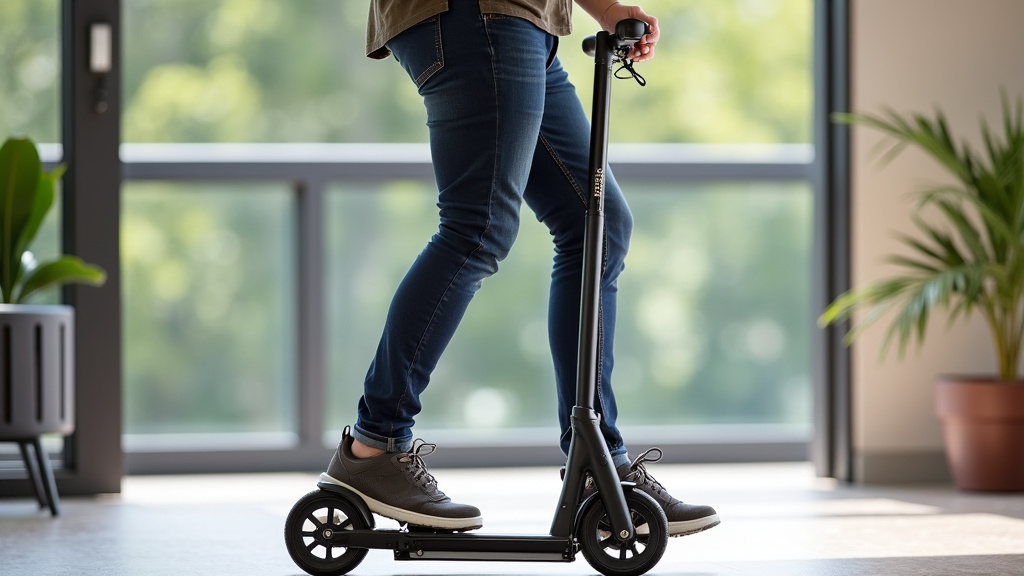
Knee Scooter Adjustability Checklist for Tall Individuals
Here’s a quick rundown of what to look for when choosing a knee scooter:
- Maximum Handlebar Height: Does it reach at least 42 inches?
- Handlebar Adjustment Range: Is there plenty of vertical adjustment?
- Deck Length: Is it long enough for your injured leg to rest comfortably?
- Adjustable Deck: Does the scooter offer deck height or length adjustments?
- Wheel Diameter: Are the wheels 10 inches for a smoother ride?
- Weight Capacity: Does it comfortably support your weight?
Comparing Scooter Features for Different Heights
It’s helpful to see how features might differ for various height ranges. This isn’t an exact science, but it gives you a general idea.
| Approximate User Height | Key Features to Prioritize | Typical Max Handlebar Height | Typical Deck Length |
|---|---|---|---|
| Under 5’4″ | Standard adjustability, compact design | 36-39 inches | 16-18 inches |
| 5’4″ – 5’11” | Good handlebar range, comfortable deck | 38-41 inches | 18-19 inches |
| 6’0″ and Taller | Maximum handlebar height, longer deck, stable frame | 41-45+ inches | 19-22+ inches |
This table highlights that for taller individuals, the focus shifts towards the maximum settings on the scooter. You’re looking for the models that offer the most range. Many manufacturers will specify if a model is designed for taller users or has an extended height range.
Conclusion
As you can see, knee scooters can be a fantastic mobility aid for tall individuals, but the key is finding the right fit. It’s not just about having a knee scooter; it’s about ensuring that scooter adjusts to your body. We’ve learned that prioritizing handlebar height and deck length is essential to avoid strain and ensure comfort. Don’t compromise on these features. Before you make your final decision, take those quick measurements of your leg and arm height. This small step will make a big difference in your recovery journey.
Frequently Asked Questions
Can I use a standard knee scooter if I’m over 6 feet tall?
You might be able to use a standard knee scooter, but it’s often uncomfortable. We found that most standard models are too low for people over 6 feet. This forces you into a hunching position, which can cause back and shoulder pain. Always check the maximum handlebar height and deck length.
What is the most important measurement for a tall person when buying a knee scooter?
The maximum handlebar height is usually the most critical measurement for taller users. If the handlebars don’t go high enough, you’ll be forced to slouch, leading to discomfort. We recommend looking for models that can reach at least 42 inches or higher.
How do I know if the deck is long enough for my injured leg?
You should be able to rest your injured leg comfortably on the deck without your heel hanging off or your knee feeling cramped. A good rule of thumb is to measure the length from the back of your knee to your heel. Then, compare this to the scooter’s deck length specifications. We found that decks around 19-22 inches often work well for taller individuals.
Are larger wheels better for tall people using a knee scooter?
Larger wheels, typically 10 inches, can offer a smoother ride for everyone, but they can be particularly helpful for taller individuals. They provide better stability and more ground clearance, which can be beneficial if you have a slightly higher center of gravity or navigate varied terrain.
What if I’m between height ranges in the comparison table?
If you find yourself between height ranges, it’s always best to lean towards the features recommended for the taller group. Prioritize scooters with the greatest adjustability, especially in handlebar height and deck length. We’ve seen that maximum adjustability provides the most flexibility for a comfortable fit.