Is a Knee Scooter the Same As a Knee Walker?
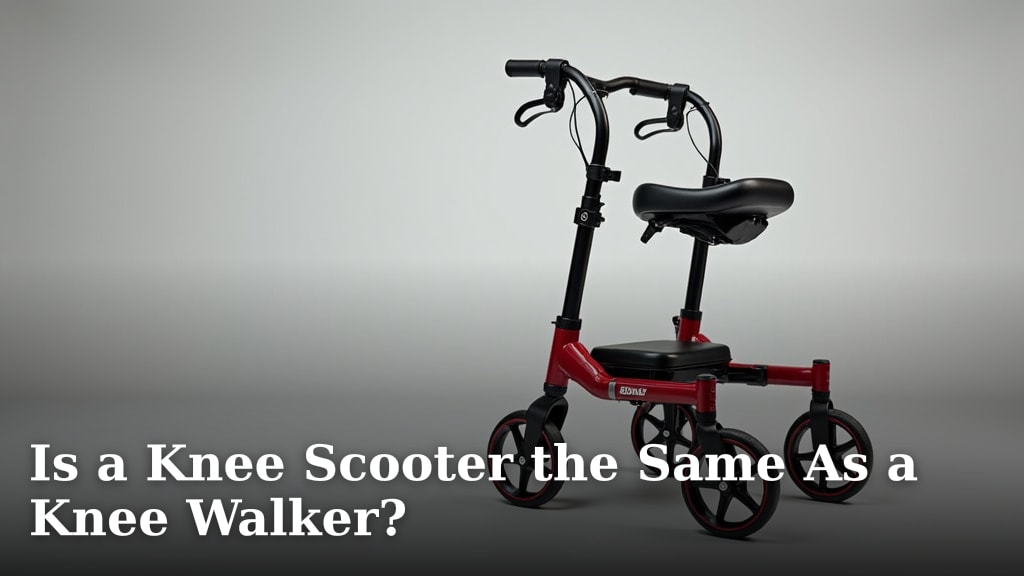
A knee scooter and a knee walker are not exactly the same thing, but they are often used to mean the same device. In most cases, “knee scooter” is the general term, while “knee walker” is a specific brand name that has become a common trademark. They both refer to the wheeled mobility aid you use to rest your knee on after an injury.
The terms are frequently swapped because many people own or see a Knee Walker brand device. This is similar to how people say “Kleenex” for any tissue. You’ll find that medical suppliers and online stores use both phrases to describe these rollator-style aids. The confusion is totally normal, and we’re here to clear it up.
- Yes, they are functionally the same: Both terms describe a mobility device with a knee pad and handlebars for steering.
- “Knee Walker” is often a brand: The term comes from the Knee Walker company, a popular manufacturer.
- “Knee Scooter” is the generic name: This is the standard term used by most other brands and in product categories.
- Features are identical: Look for the same key elements like dual braking systems, adjustable height, and basket options.
- Your choice depends on features: Focus on specs like weight capacity, turning radius, and whether it folds for transport.
Below, we break down everything you need to know to choose the right mobility aid for your recovery. Let’s walk through the key features, benefits, and smart shopping tips together.
Understanding the Difference Between a Knee Scooter and a Knee Walker
They are functionally the same device, but the terms are used differently. The phrase “knee walker” often refers to a specific brand, while “knee scooter” is the generic name. You will encounter both terms when shopping, and knowing this helps you find the right product.
Think of it like the difference between “tissues” and the brand “Kleenex.” Most people use them interchangeably. Your main goal is to find a mobility aid that helps you recover without putting weight on your injured leg. Let’s break down the details so you can shop with confidence.
The Role of Branding in the Terminology
The term “Knee Walker” comes from a company that popularized the device. It became a trademark, much like “Band-Aid” for adhesive bandages. Many people still use “knee walker” as a catch-all, but most medical suppliers use “knee scooter” in product listings.
We found that confusion is common, but it doesn’t affect how the device works. When you read product descriptions, you will see both phrases used. The key is to look at the features, not just the name. This helps you avoid overpaying for a brand when a generic option works just as well.
Core Features You’ll Find in Both Devices
Whether it’s called a knee scooter or knee walker, the essential components are identical. These features work together to keep you mobile and comfortable during recovery. Let’s look at what you should expect.
Knee Pad and Handlebar Design
The knee pad is where you rest your injured leg. It should be cushioned and adjustable to fit your body. Most models allow you to change the height, so your leg stays at a safe angle. This helps prevent strain on your back and hips.
The handlebars let you steer and control the device. They are similar to bike handlebars, with grips and brakes. A good set of handlebars gives you stability and confidence. You will feel more in control when moving around your home or outside.
Adjustability and Comfort
Adjustability is crucial for a comfortable recovery. The knee pad should have multiple height settings. This ensures your leg is supported properly, as recommended by physical therapy guidelines (Mayo Clinic). A well-fitted device reduces the risk of secondary injuries.
Look for padded knee pads and ergonomic handlebars. Some models have extra features like a cup holder or storage basket. These small touches make daily life easier. You might not need them, but they can be a nice bonus.
Wheels and Braking Systems
Wheels and brakes are critical for safety and mobility. Most knee scooters have four wheels, which provide better stability than two-wheeled models. The wheels are usually made of rubber or polyurethane, suitable for indoor and smooth outdoor surfaces.
Braking systems are often dual, meaning you have brakes on both handlebars. This is similar to a bicycle’s hand brakes. Some models have a locking brake for when you are stationary. Always check that the brakes work smoothly before using the device.
Benefits for Your Recovery Journey
Using a knee scooter or knee walker offers several benefits during your recovery. It helps you stay active and independent, which is important for both physical and mental health. Let’s explore the main advantages.
Improved Mobility and Independence
A knee scooter lets you move around your home, office, or neighborhood without relying on others. You can navigate doorways, hallways, and even uneven terrain with the right model. This independence is a big boost during recovery.
Research from the National Institutes of Health (NIH) suggests that maintaining mobility can improve overall recovery outcomes. Being able to move freely reduces the risk of complications like blood clots and muscle weakness. It also helps you maintain your daily routine, which is good for your mental well-being.
You might feel a bit wobbly at first, but practice makes perfect. Many users report that they quickly become comfortable and confident. It’s like learning to ride a bike again—just take it slow.
How to Choose the Best Knee Scooter for Your Needs
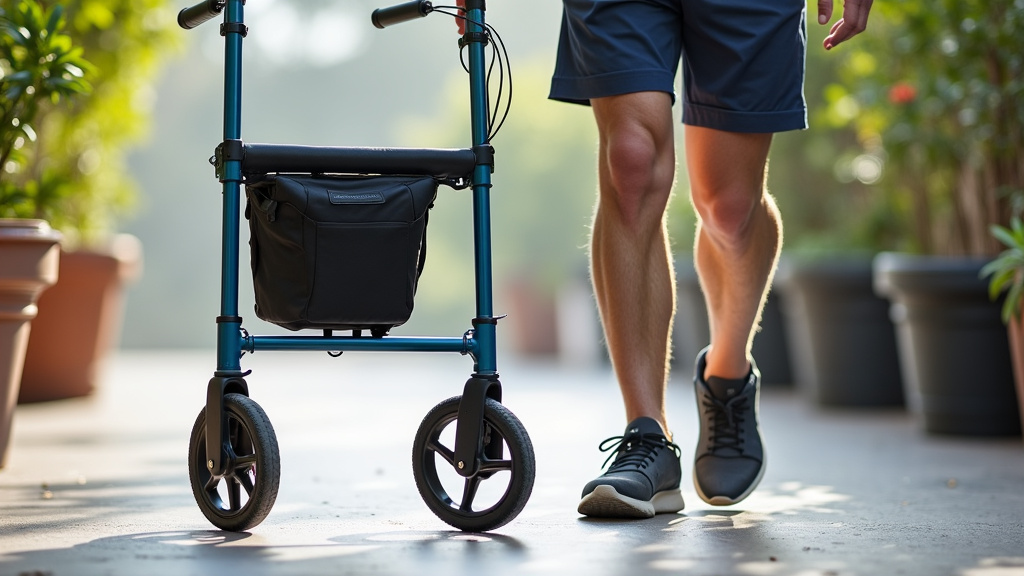
Choosing the right device depends on several factors. You should consider your weight, the type of injury, and where you plan to use it. Let’s look at the key points to help you decide.
Weight Capacity and Durability
Weight capacity is an important safety factor. Most knee scooters support between 250 and 350 pounds, but some models can handle more. Always check the manufacturer’s guidelines to ensure the device is safe for you.
Durability matters if you plan to use the device for several weeks or months. Look for a sturdy frame made of steel or aluminum. A well-built scooter will hold up to daily use and provide reliable support. Avoid flimsy models that might break or wobble.
Portability and Storage
If you need to transport your scooter, portability is key. Many models fold down to a compact size, making them easy to store in a car trunk or closet. This is especially useful if you travel frequently or have limited space.
Some scooters are lightweight, weighing around 20 to 30 pounds. This makes them easier to carry and maneuver. However, lighter models might be less stable, so find a balance between weight and sturdiness. You don’t want to struggle with a heavy scooter every day.
Terrain and Wheel Types
Consider where you will use your knee scooter most often. For indoor use, small wheels are fine. For outdoor use, larger wheels are better for rough surfaces like sidewalks or gravel.
Some models have all-terrain wheels with better traction. This is helpful if you live in an area with uneven ground. Think about your daily environment and choose a scooter that matches your needs. You’ll be glad you did when you can move around easily.
Common Misconceptions and Clarifications
There are a few misconceptions about knee scooters and knee walkers. Let’s clear them up so you can make an informed decision. You might have heard some of these from friends or online sources.
Are There Any Real Differences?
The main difference is in the name, not the design. Both terms describe the same type of mobility aid. Some brands use “knee walker” to market their products, but the features are similar. Don’t let the terminology confuse you.
We found that many medical professionals use both terms interchangeably. The important thing is that the device meets your needs. Focus on the specs, not the label. This approach will help you find the best value.
Brand vs. Generic: What to Look For
Brand-name models might cost more, but they often come with warranties and customer support. Generic options are usually cheaper and offer similar functionality. Consider your budget and priorities when choosing
Conclusion
To answer your question directly: **a knee scooter and a knee walker are functionally the same device.** The difference is just a brand name versus the generic term. We’ve found that your best approach is to **ignore the label and focus on the features**. Look for a sturdy frame, a comfortable knee pad, and wheels that match your needs. Remember to check the weight capacity and ensure it fits your space. Now that you understand the terminology, you can shop with confidence and find the perfect mobility aid for your recovery.
Frequently Asked Questions
Will my insurance cover a knee scooter if it’s called a knee walker?
Insurance coverage typically depends on the **type of device and your medical need**, not the name. Most insurance plans, including Medicare, cover one standard knee scooter with a doctor’s prescription. We recommend verifying the specific model’s code with your provider before purchasing.
Can I use a knee scooter on stairs?
**No, you should never attempt to use a knee scooter on stairs.** They are designed for flat surfaces only. For stairs, you will need to use a different method, like hopping with assistance or a hands-free crutch, and always consult your doctor for safe options.
Is it better to rent or buy a knee scooter?
This depends on your recovery timeline. **Renting is often best for short-term injuries**, as it can be more cost-effective. If you anticipate needing the device for several months or may injure yourself again, **buying might provide better long-term value.** Many medical supply stores offer both options.
How do I clean and maintain my knee scooter?
Use a damp cloth to wipe down the frame and knee pad regularly. **Check the tire pressure and brake function before each use** as part of your routine. For deeper cleaning or mechanical issues, consult the manufacturer’s manual or a professional technician.
Can I take my knee scooter on an airplane?
**Yes, most airlines allow knee scooters as checked baggage or gate-check items.** We suggest you call your airline directly to confirm their specific policy. Ensure it is properly folded and protected for travel, and keep any required medical documentation handy.