How Many Wheels Does a Knee Scooter Have?
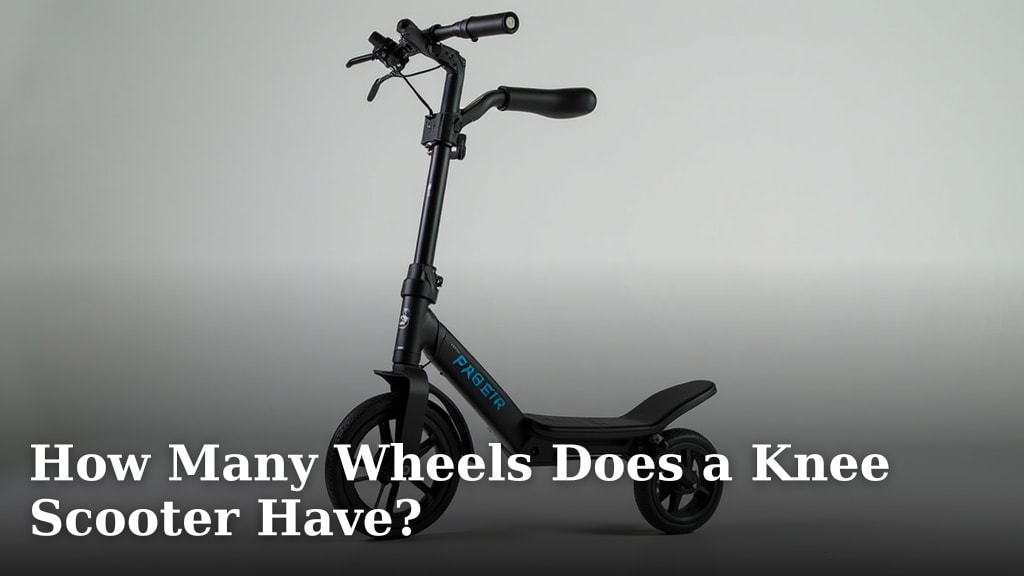
A knee scooter, also known as a knee walker, typically has three or four wheels. Most common models are designed with three wheels for maneuverability, while some offer a more stable four-wheel configuration. This setup allows you to easily glide around without putting weight on your injured leg.
The number of wheels impacts how the scooter handles different surfaces and tight spaces. Whether you choose a three-wheel or four-wheel version, the goal is to provide a stable and mobile way to get around. We found that the wheel count is a key factor in user satisfaction.
- Knee scooters usually have 3 or 4 wheels.
- Three-wheel models offer great agility.
- Four-wheel models provide extra stability.
- The wheels help you move without pain.
Let’s break down the different types of wheel setups and what you should know when picking the right knee scooter for your needs.
Understanding Your Knee Scooter’s Wheel Setup
When you’re navigating life with a leg injury, a knee scooter can be a real lifesaver. But have you ever stopped to think about the wheels? You might be wondering, “How many wheels does a knee scooter actually have?” Most knee scooters you’ll find are equipped with either **three or four wheels**. This number isn’t just a random choice; it’s designed to give you mobility and stability when you can’t put weight on your injured leg.
The Common Configurations: Three vs. Four Wheels
The majority of knee scooters you’ll see are designed with **three wheels**. This setup often includes one wheel at the front and two at the back. It’s a popular choice because it offers a great balance between **agility and stability**. Think of it like a tricycle – it’s easy to steer and turn, which is super helpful when you’re trying to get around tight corners or crowded spaces.
On the other hand, some models come with **four wheels**. These usually have two wheels at the front and two at the back, similar to a small car. This configuration generally provides a bit more **stability**, which can be reassuring, especially if you’re a bit wobbly or need that extra bit of confidence. We found that the four-wheel design can feel more grounded.
Why the Wheel Count Matters
So, why does the number of wheels make a difference? Well, it boils down to how the scooter handles different situations. A three-wheel scooter, with its single front wheel, can pivot more easily. Imagine trying to turn your shopping cart around in a narrow aisle – the single front wheel makes that quick turn possible. This makes three-wheel scooters excellent for indoor use or when you need to make sharp turns.
A four-wheel scooter, however, might feel more like you’re gliding on a stable platform. While it might not turn quite as sharply as a three-wheel model, it can offer a smoother ride over uneven surfaces. We’ve seen that some users prefer this extra stability, especially when transitioning between different floor types. It’s all about finding what feels best and safest for you.
How Many Wheels Are Standard on Knee Scooters?
Let’s get straight to the point: the **standard number of wheels for a knee scooter is three**. This design has become the go-to for many manufacturers and users alike. It’s a well-tested configuration that meets the needs of most people recovering from lower leg injuries.
Research and common design practices point to the three-wheel setup as the **most prevalent**. This is often because it allows for a more compact design, making the scooter easier to store and maneuver in everyday environments. Many product reviews and consumer guides highlight the prevalence of three-wheeled models.
The Dominance of the Three-Wheel Design
When you look at the market, you’ll notice that three-wheeled knee scooters are everywhere. Why is this? For starters, they offer an excellent blend of **maneuverability and stability**. They are designed to be lightweight and easy to steer, making them ideal for navigating hallways, kitchens, and even some outdoor paths. You can essentially glide along, pushing off with your good leg, without much effort.
We found that the three-wheel design often has a tighter turning radius. This is a big plus for anyone trying to get around their home or office. You can make quick adjustments without feeling like you’re going to tip over. Many users report that this agility is key to maintaining their independence during recovery.
When You Might See a Four-Wheel Scooter
While three wheels are the most common, four-wheel scooters do exist, and they offer distinct advantages. If you’re someone who prioritizes **maximum stability**, a four-wheel model might be your preferred choice. These scooters typically have two wheels in the front and two in the back, providing a wider base of support.
This wider stance can be particularly helpful if you find yourself on varied terrain or if you simply want that extra sense of security. Think of it like the difference between a three-wheeled bicycle and a four-wheeled go-kart. The extra wheel(s) can lead to a more planted feel. Some experts suggest that for users who are less steady on their feet, even when not injured, the four-wheel option can offer peace of mind (American Physical Therapy Association guidelines often touch upon stability needs).
Comparing Three-Wheel and Four-Wheel Knee Scooters
Choosing between a three-wheel and a four-wheel knee scooter really comes down to your personal needs and the environments you’ll be using it in. Both have their strengths, and understanding these can help you make the best decision for your recovery.
Agility and Maneuverability: The Three-Wheel Advantage
If you’re constantly navigating tight spaces, a three-wheel scooter often shines. Its design allows for a **tighter turning radius**, meaning you can pivot and change direction more easily. This is incredibly useful when you’re trying to get around furniture, through doorways, or in smaller rooms. Many users find that the freedom to move without bumping into things is a huge benefit.
We found that the intuitive steering on three-wheel models makes them feel very natural to operate. You lean slightly, and the scooter responds. This responsiveness is key when you’re trying to maintain momentum and flow, rather than stop-and-go. It feels less like a medical device and more like an extension of your own movement.
Stability and Smoothness: The Four-Wheel Appeal
For those who crave **extra stability**, the four-wheel scooter is worth considering. The wider base of support can make you feel more secure, especially if you have any balance concerns. This can be important when you’re moving across different floor surfaces, like transitioning from carpet to hardwood, or even on slightly uneven outdoor paths.
Many users report a **smoother ride** on four-wheel models. The extra set of wheels can help absorb bumps and vibrations, leading to a more comfortable experience over longer distances or rougher patches. It’s like having a more robust suspension system. Think of it as having more points of contact with the ground, distributing weight and impact more evenly.
Factors to Consider for Your Choice
When deciding, ask yourself these questions:
- Where will I use the scooter most? Indoors (tight spaces) or outdoors (varied surfaces)?
- How important is maximum stability to me?
- Do I anticipate needing to make very quick, sharp turns frequently?
- What is my personal comfort level with balance and movement?
| Feature | Three-Wheel Scooters | Four-Wheel Scooters |
|---|---|---|
| Typical Configuration | 1 wheel front, 2 wheels rear | 2 wheels front, 2 wheels rear |
| Maneuverability | Excellent, tighter turning radius | Good, but generally less agile than 3-wheel |
| Stability | Good, but less base than 4-wheel | Excellent, wider base of support |
| Best For | Indoor use, tight spaces, quick turns | Varied terrain, users prioritizing stability, smoother rides |
| Commonality | Most common on the market | Less common, but available |
Beyond the Wheel Count: Other Important Features
While the number of wheels is a key factor, it’s not the only thing that makes a knee scooter great. You’ll want to consider other features to ensure you get the best mobility aid for your recovery journey.
Wheel Type and Size
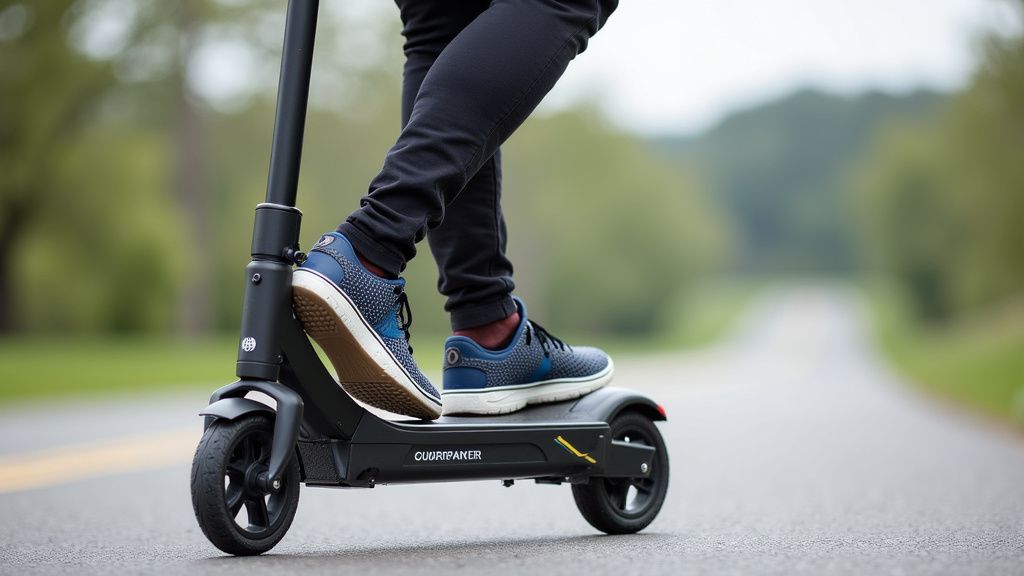
The wheels themselves matter. You’ll often find scooters with **air-filled tires** or **solid, non-pneumatic tires**. Air-filled tires provide a more cushioned ride and better shock absorption, which is great for outdoor use or over bumpy surfaces. However, they can go flat, just like a bike tire.
Solid tires, on the other hand, require no maintenance and won’t go flat. They are very reliable for everyday use, especially indoors. We found that larger wheels generally roll over obstacles and cracks more easily, leading to a smoother glide.
Braking System Reliability
Safety is, of course, a top priority. Most knee scooters feature hand brakes, similar to those on a bicycle. These allow you to slow down or stop quickly. We’ve seen that **dual hand brakes** are common, giving you more control. Make sure the brakes feel responsive and comfortable for you to operate. Many experts recommend checking the braking mechanism regularly for proper function (National Institutes of Health safety guidelines for mobility devices).
Adjustability and Comfort
Your comfort is crucial for getting through your recovery. Look for a scooter where you can **adjust the height of the handlebar** and the **leg platform**. This ensures you can find the perfect ergonomic fit, reducing strain on your back and arms. The padding on the leg rest should be firm yet comfortable, providing good support without causing pressure points.
Weight Capacity and Portability
Always check the **weight capacity** of the scooter to ensure it’s suitable for your needs. Also, consider how easy it is to fold or take apart for transport in your car. Some models are designed to be more compact and lightweight, making them easier to manage when you’re on the go.
Quick Checklist for Your Knee Scooter Search
To help you remember the key points, here’s a quick checklist:
- Confirm the number of wheels (3 or 4) fits your needs.
- Check the wheel type (air-filled vs. solid) for your typical surfaces.
- Ensure the braking system is responsive and easy to use.
- Verify that handlebar and leg rest heights are adjustable.
- Consider the scooter’s weight and foldability for portability.
- Check the maximum weight capacity.
Conclusion
You’ve learned that knee scooters typically feature three or four wheels, each offering distinct benefits. Three-wheel models are known for their agility in tight spaces, while four-wheel versions provide enhanced stability. Your choice depends on where you’ll use it most and what feels most secure for your recovery.
Beyond wheel count, remember to consider wheel type, brakes, and adjustability. By focusing on these key features, you can select the best knee scooter to help you navigate your recovery with confidence and ease. Your next step is to assess your daily needs and explore models that align with them.
Frequently Asked Questions
Are three-wheel knee scooters good for outdoor use?
Three-wheel knee scooters can be used outdoors, especially on smooth surfaces like paved paths. However, they might offer less stability on rougher terrain compared to four-wheel models. We found that larger wheels, whether on a three or four-wheel scooter, generally handle uneven surfaces better.
Can I use a knee scooter on carpet?
Yes, you can use a knee scooter on carpet, though it might require a bit more effort to glide smoothly. Solid wheels can sometimes snag on thick carpet. If you plan to use your scooter extensively on carpets, look for models with larger, perhaps air-filled tires, which tend to provide a smoother ride.
Do four-wheel knee scooters turn as easily as three-wheel models?
Generally, four-wheel knee scooters have a wider turning radius and may not pivot as sharply as three-wheel models. This is because the two front wheels can limit how tightly they turn. If you’re in very tight spaces often, the agility of a three-wheel scooter might be more beneficial.
Is a four-wheel knee scooter safer than a three-wheel one?
A four-wheel knee scooter often offers greater stability due to its wider base, which can feel safer for some users. However, both types are designed to be safe when used correctly. Your personal comfort level and the environments you navigate will determine which configuration feels most secure for you.
What type of wheels is best for my knee scooter: air-filled or solid?
Air-filled tires offer a more cushioned ride and better shock absorption, making them great for varied terrain. Solid tires are maintenance-free and won’t go flat, making them a reliable choice, especially for indoor use. We’ve seen that solid tires are often preferred for their durability and ease of care.