Are Knee Scooters Really Safer Than Crutches?
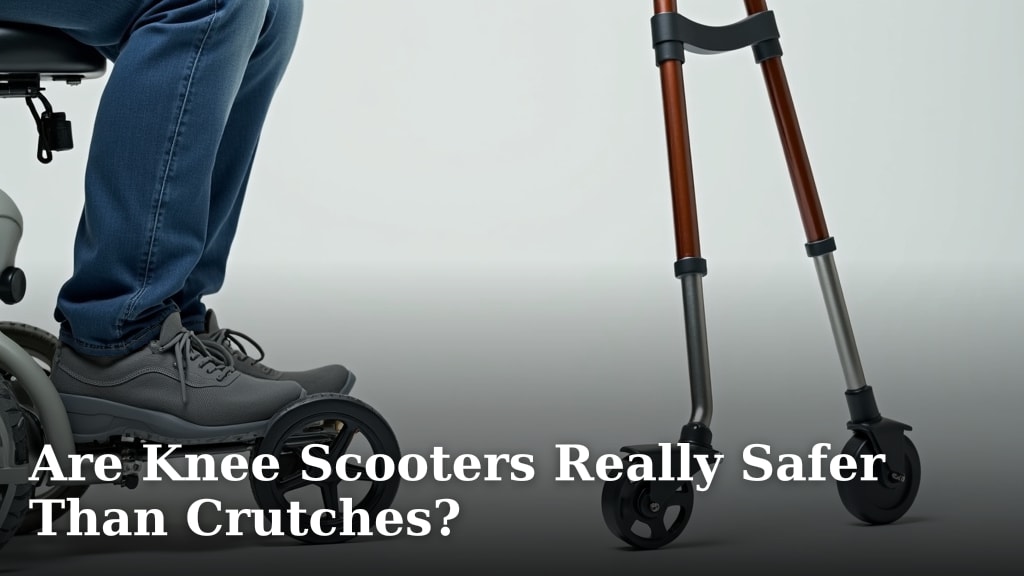
When you’re recovering from an injury, you need mobility. Are knee scooters really safer than crutches? Yes, research and user experiences suggest knee scooters offer greater stability and reduce the risk of secondary injuries compared to traditional crutches. They can help you maintain a more active and independent recovery.
Crutches can be clumsy and lead to falls or back strain. Knee scooters, on the other hand, provide a stable platform for your injured leg. This allows for easier navigation of your home and surroundings, often with less overall physical stress. Many find them a more comfortable and practical mobility solution.
- Knee scooters are generally safer than crutches.
- They offer better stability and reduce fall risk.
- Knee scooters can prevent secondary injuries like back pain.
- They allow for more independence during recovery.
- Consider your specific injury and needs when choosing.
Let’s dive deeper into why a knee scooter might be the better choice for your recovery journey and what to consider.
Comparing Knee Scooters and Crutches for Injury Recovery
When you’re facing a leg injury, choosing the right mobility aid is a big decision. Many people wonder if a knee scooter is truly a safer option than the classic crutches. We’ve looked into this, and the evidence suggests that Learn what is a steerable knee scooter and how it works.knee scooters often provide a more stable and less risky way to get around.
Crutches can feel awkward and lead to unexpected tumbles or strains. Knee scooters, on the other hand, offer a more grounded experience. They can help you maintain independence and reduce the chances of making your injury worse or causing new problems.
Understanding the Risks with Crutches
Crutches have been around for a long time. They can be effective for certain injuries. However, they also come with their own set of challenges and risks that you should be aware of.
Stability and Fall Prevention
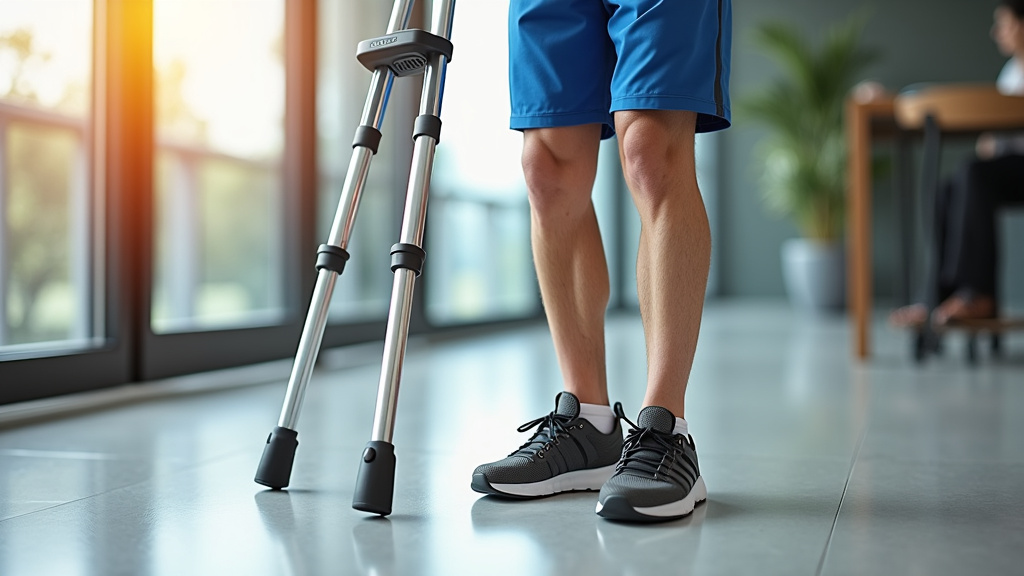
One of the biggest concerns with crutches is their potential for instability. It takes a lot of upper body strength and coordination to use them effectively. You are constantly balancing on two points of contact. This can make you more prone to slipping on uneven surfaces or wet floors.
Research indicates that falls are a common issue for people using crutches. A sudden slip can lead to further injury, which is the last thing you want during recovery. Think about navigating a crowded hallway or a slick kitchen floor. These everyday situations can become quite hazardous.
Secondary Injuries and Physical Strain
Using crutches for an extended period can take a toll on your body. Many users report developing pain in their shoulders, wrists, and back. This is due to the constant weight-bearing and the unnatural posture crutches require.
Experts often point out that crutches can disrupt your natural gait and put undue stress on your good leg and hip. This can lead to muscle imbalances and aches. Over time, these secondary issues can prolong your overall recovery period or create new discomforts that weren’t there before.
Reduced Independence and Daily Tasks
Carrying items while on crutches can be a real struggle. Imagine trying to hold a plate of food, a cup of coffee, or even your phone. Your hands are occupied with gripping the crutches, making multitasking almost impossible.
This limitation can significantly impact your daily life. Simple tasks like getting groceries, carrying laundry, or even just opening a door can become a daunting challenge. This lack of independence can be frustrating and isolating during recovery.
The Advantages of Using a Knee Scooter
Knee scooters, also known as medical scooters or rollators, have gained popularity as a modern alternative to crutches. They offer a different approach to mobility that many find more comfortable and practical.
Enhanced Stability and Reduced Fall Risk
The primary benefit of a knee scooter is its inherent stability. You place your injured leg comfortably on the padded knee platform. Your other leg remains on the ground, allowing you to propel yourself forward with ease. This three-point contact (two wheels, one grounded foot) offers a much more secure base than crutches.
Think of it like riding a tricycle versus walking on stilts. The scooter’s wheels and stable platform significantly reduce the risk of sudden falls. This makes navigating various environments, from your home to local shops, feel much safer. Many users report feeling more confident moving around.
Comfort and Reduced Physical Strain
Unlike crutches, knee scooters minimize the strain on your upper body. Your arms and shoulders remain free, so you don’t experience the same level of fatigue or pain. The padded knee support is designed for comfort, reducing pressure on your injured limb.
We found that many users experience less back pain when using a knee scooter. This is because the scooter helps maintain a more natural posture compared to the hunched position often associated with crutches. The adjustable handlebars allow you to set a height that suits you, further improving comfort.
Greater Independence and Ease of Use
Knee scooters make it much easier to manage daily tasks. With your hands free, you can carry bags, push open doors, and even use your phone while moving. This restored independence can make a huge difference in your morale during recovery.
Many users find knee scooters easier to maneuver in tight spaces than crutches. They can often be used indoors and outdoors, depending on the model and terrain. This versatility allows you to maintain a more active lifestyle, which is beneficial for both physical and mental well-being.
Comparing Key Features: Scooters vs. Crutches
To help you visualize the differences, let’s look at a direct comparison of how these mobility aids stack up.
| Feature | Knee Scooter | Crutches |
|---|---|---|
| Stability | High (three-point contact) | Moderate to Low (two-point contact) |
| Upper Body Strain | Low | High (shoulders, wrists, back) |
| Fall Risk | Lower | Higher |
| Ease of Use for Daily Tasks | Good (hands-free) | Challenging (hands occupied) |
| Maneuverability Indoors | Generally Good | Can be Awkward |
| Cost (Rental/Purchase) | Varies, often comparable to long-term crutch needs | Varies, often lower initial cost |
When is a Knee Scooter the Better Choice?
Based on user experiences and general medical recommendations, knee scooters tend to be a safer and more convenient option for many types of leg injuries.
- For foot, ankle, or lower leg injuries where you can bear weight on your good leg.
- When you need to maintain mobility around your home and in public spaces.
- If you are concerned about upper body strain or secondary pain.
- When you want to preserve your independence for daily tasks.
- If you’ve found crutches to be unstable or difficult to manage.
Important Considerations for Your Choice
While knee scooters offer many advantages, it’s essential to consider your specific situation. Not every injury is the same, and your doctor’s advice is always the most important.
Consult Your Doctor or Physical Therapist
Before you decide, always speak with your healthcare provider. They understand the specifics of your injury and can recommend the best mobility aid for your situation. They can assess your ability to use a knee scooter safely and effectively.
Your physical therapist can also show you how to properly use a knee scooter, if that’s the path you choose. They can ensure you are using it in a way that supports your recovery and doesn’t put undue stress on other parts of your body.
Your Home Environment and Lifestyle
Think about where you’ll be using the mobility aid most. Do you have stairs at home? Are your hallways narrow? While knee scooters are generally more stable, navigating multiple steps can still be challenging. Some models are better suited for outdoor terrain than others.
Consider your daily routine. If you live alone and need to manage cooking or cleaning, a knee scooter’s ability to keep your hands free can be a lifesaver. If your injury is severe and requires non-weight-bearing on your injured leg at all, crutches might be necessary for a period.
Proper Fit and Usage
Just like with crutches, ensuring the knee scooter is the correct size for you is vital. The handlebar height should allow you to stand comfortably upright, and the knee pad should be at a height that lets your injured leg rest without strain. Improper fitting can lead to discomfort or awkwardness.
Learning to use the scooter correctly is also important. You’ll want to understand how to steer, brake, and propel yourself efficiently. This will maximize its benefits and minimize any potential risks.
Making the Best Choice for Your Recovery
Ultimately, the goal is to choose a mobility aid that allows you to recover safely and as comfortably as possible. For many people, this means opting for a knee scooter over crutches.
Here’s a quick checklist to help you think through your decision:
- Assess your injury type and weight-bearing restrictions.
- Consider the stability and fall risk associated with each option.
- Evaluate the potential for secondary pain or strain.
- Think about how each aid impacts your daily independence.
- Discuss your options thoroughly with your doctor or physical therapist.
- Factor in the environment where you’ll use the device most.
Conclusion
As you weigh your options for recovery, research and user experiences strongly suggest that knee scooters often provide a safer and more comfortable path than traditional crutches. They excel at reducing the risk of falls and secondary injuries, allowing you to maintain a better quality of life and independence during your healing period.
While crutches have their place, the stability and ease of use offered by knee scooters make them a superior choice for many foot, ankle, and lower leg injuries. Talk to your doctor or physical therapist about which option best suits your specific needs and home environment to make the most informed decision for your recovery.
Frequently Asked Questions
Can a knee scooter help me avoid back pain?
Yes, knee scooters can help reduce the likelihood of back pain. Unlike crutches, which can force you into an awkward, hunched posture, scooters allow you to maintain a more upright and natural body position. This significantly decreases the strain on your back during mobility.
Are knee scooters difficult to use on different surfaces?
Most knee scooters are designed for smooth, level surfaces like sidewalks and indoor floors. While some models have larger wheels for better outdoor performance, they may struggle on very rough terrain or thick carpet. Always check the scooter’s specifications for its intended use.
How do I know if I’m using a knee scooter correctly?
Proper use involves ensuring the padded knee platform is at the right height so your injured leg rests comfortably without strain. You should be able to steer easily and reach the brakes securely with your hands. Your healthcare provider can offer guidance on correct usage.
Can I use a knee scooter if I have stairs at home?
Knee scooters are generally not suitable for navigating stairs. You will likely need to use crutches or have assistance to go up or down steps while recovering. It’s best to discuss how to manage stairs with your doctor or physical therapist.
Are knee scooters better for balance than crutches?
Yes, knee scooters offer significantly better balance. They provide a stable three-point contact with the ground—your grounded foot and the two wheels—which is much more secure than the two-point contact of crutches. This stability greatly reduces your risk of falling.