What Is a Heavy Duty Knee Scooter Really?
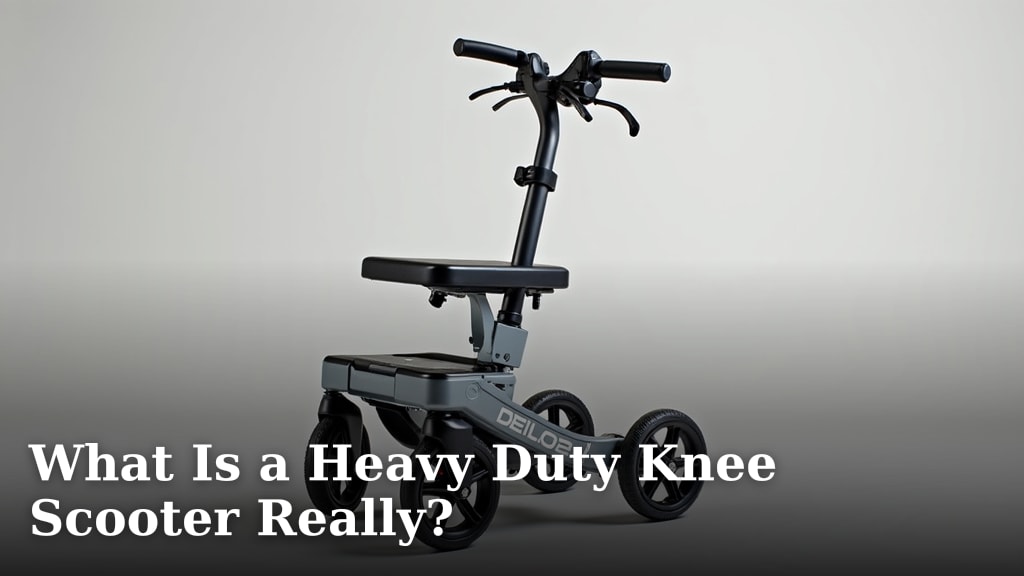
A heavy duty knee scooter is a mobility aid designed for people recovering from lower leg injuries. It provides a sturdy and stable way to get around when you can’t put weight on your foot or ankle. These scooters are built with stronger frames and larger wheels to support more weight and handle rougher surfaces than standard models.
When you need reliable support after an injury, a heavy duty knee scooter offers enhanced stability and comfort. They are often recommended for individuals who require a more robust solution for their daily movements. Many users find these scooters help them maintain a degree of independence during their recovery, making tasks much easier and less stressful.
- Heavy duty knee scooters are mobility aids.
- They offer enhanced stability for lower leg injuries.
- Built with stronger frames and larger wheels.
- Support more weight and handle tougher terrain.
- Help maintain independence during recovery.
Ready to understand what makes these scooters different and if one is right for you? Let’s break down exactly what a heavy duty knee scooter is all about.
Understanding a Heavy Duty Knee Scooter
So, what exactly makes a knee scooter “heavy duty”? It’s all about its construction and intended use. Think of it like comparing a regular bicycle to a mountain bike. Both have two wheels and handlebars, but the mountain bike is built for tougher trails and heavier loads. A heavy duty knee scooter is similarly engineered for more demanding situations than its standard counterpart.
These scooters are designed to offer a more robust mobility solution. They’re not just for minor sprains. We’re talking about injuries that might keep you off your feet for a longer period. When you need to navigate daily life with a serious lower leg injury, this type of scooter becomes your trusty sidekick.
What Differentiates a Heavy Duty Model?
The primary difference lies in the materials and design. Heavy duty models typically feature stronger frames, often made from thicker steel or reinforced aluminum. This robust build allows them to support a higher weight capacity. Standard knee scooters might max out around 300 pounds. Heavy duty versions can often support 350 pounds or even more.
The larger wheels are another key feature. We’re often looking at wheels that are 10 inches or larger in diameter. These bigger wheels help you roll over obstacles more easily. Think about gravel driveways, uneven sidewalks, or even grassy areas. They provide a smoother ride and better traction, which means less jarring for your injured leg and more control for you.
Weight Capacity and Why It Matters
Your weight capacity needs are the first thing to consider. It’s essential to choose a scooter that can safely support your body weight plus any additional weight you might carry. This could include bags or even a pet joining you on a short trip! Exceeding the weight limit isn’t just risky; it can lead to premature wear and tear on the scooter or even equipment failure.
Many heavy duty models are explicitly designed for individuals who weigh more. Research from sources like the Mayo Clinic often highlights the importance of using mobility aids that are appropriately sized and rated for your individual needs. This ensures both safety and longevity of the device.
Wheel Size and Terrain Capability
Let’s dive deeper into those wheels. Standard knee scooters often come with 7- or 8-inch wheels. While fine for smooth indoor floors, they can struggle outdoors. The larger wheels on heavy duty scooters act like shock absorbers. They reduce the bumps and jolts you feel when moving over varied surfaces. This is incredibly important for comfort and preventing further injury.
Imagine trying to navigate a bumpy path with a child’s toy car. It wouldn’t be a pleasant experience. These larger wheels make a world of difference in your ability to move around outside your home. You can often expect a more stable and confident experience, whether you’re heading to the mailbox or a doctor’s appointment.
Key Features of Heavy Duty Knee Scooters
Beyond the frame and wheels, several other features contribute to the “heavy duty” nature of these scooters. These are the details that make a real difference in your day-to-day recovery.
Sturdier Frame Construction
The foundation of any scooter is its frame. For heavy duty models, this frame is built with resilience in mind. We often see reinforced steel or thicker gauge aluminum alloys used. This isn’t just for looks; it’s about providing the structural integrity needed to handle more stress. A stronger frame means less wobble and more reliable support.
When you’re relying on a device to help you move, a wobbly frame is the last thing you want. Think of it like a chair – you want one that feels solid when you sit down. This sturdy construction gives you the confidence to move freely, knowing your support is dependable.
Enhanced Braking Systems
With greater weight capacity and often larger wheels, effective braking becomes even more critical. Heavy duty knee scooters usually feature more robust braking mechanisms. This might include dual-locking hand brakes or even disc brakes on some higher-end models. These systems provide reliable stopping power in various conditions.
A good brake isn’t just about stopping; it’s about controlled stopping. You need to be able to slow down or stop on an incline or an unexpected obstacle. Many user guides emphasize the importance of checking your brakes regularly, just as you would on a bicycle (Mayo Clinic).
Ergonomic and Adjustable Components
Comfort is key during recovery. Heavy duty scooters don’t sacrifice comfort for strength. You’ll find that the knee pads are often thicker and made from more durable, supportive foam. The handlebars are typically adjustable in height, allowing you to find the perfect position for your body. This helps prevent strain on your back and shoulders.
Adjustability means the scooter can adapt to you, rather than you having to adapt uncomfortably to the scooter. Many experts recommend ensuring that handlebars are at a height that allows your elbows to be slightly bent when you’re holding them. This promotes a more natural posture.
What About the Basket or Storage?
Some heavy duty models come with an attached basket or a place to add one. This can be incredibly convenient for carrying essentials like your phone, wallet, a water bottle, or even a book. While not strictly a “heavy duty” feature, it’s a very practical addition that many users appreciate. It means you don’t have to juggle items while trying to balance.
Having a place to put your keys or medication can make a big difference in your daily routine. It simplifies tasks and reduces the need for multiple trips. It’s those little conveniences that help make recovery feel less burdensome.
Who Benefits Most from a Heavy Duty Knee Scooter?
While anyone recovering from a lower leg injury might consider a knee scooter, a heavy duty model is particularly suited for specific individuals and situations.
Individuals with Higher Weight Requirements
This is perhaps the most straightforward benefit. If you are an individual who weighs more than the typical limit for standard scooters, a heavy duty model is essential for your safety and well-being. It ensures you have a device that is built to support your body securely without risk of failure.
It’s crucial to be honest about your weight and check the specifications of any scooter you consider. This isn’t about marketing; it’s about ensuring the equipment performs as intended and keeps you safe during a vulnerable time.
Those Needing Greater Stability on Varied Surfaces
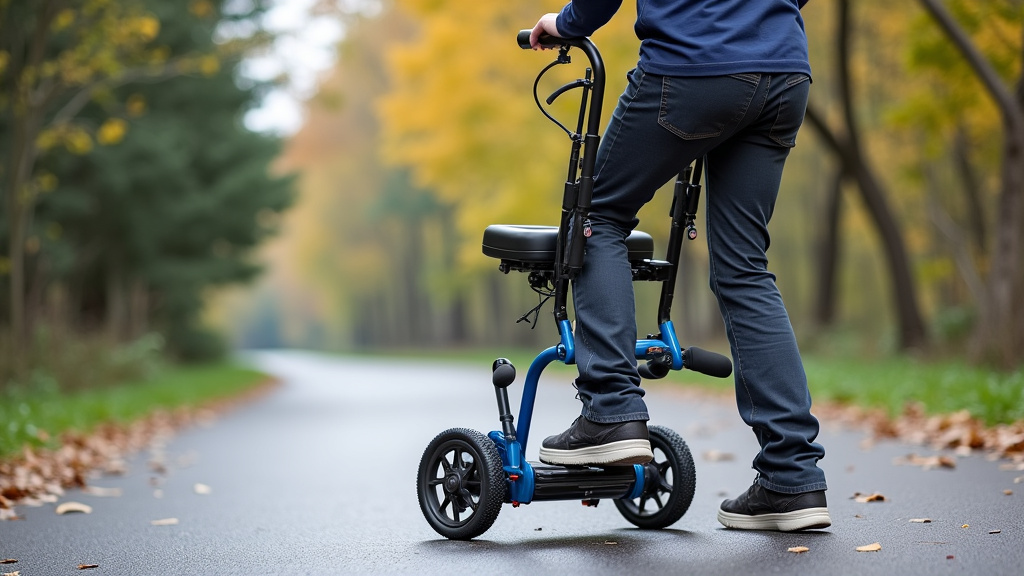
If your daily life requires you to navigate outdoors regularly, you’ll appreciate the advantages of a heavy duty scooter. Outdoor environments are rarely perfectly smooth. Uneven sidewalks, grass, gravel, or even small cracks in pavement can be trip hazards on standard scooters. The larger wheels and sturdier build of a heavy duty model provide improved stability in these less-than-ideal conditions.
Think about needing to get to your car, go to a local shop, or even just retrieve your mail. These tasks become much more manageable when your mobility aid can handle the terrain.
Users Requiring Long-Term Mobility Support
For injuries that have longer recovery times, a more robust and comfortable scooter can be a better choice. The enhanced durability and comfort features of heavy duty models mean they can withstand more frequent and extensive use. They are built to last through weeks or even months of daily activity. This means you won’t have to worry about wearing out your mobility aid before you’re back on your feet.
Many recovery plans involve being non-weight-bearing for extended periods. A device that offers superior comfort and stability can make that time pass more smoothly. It can help maintain your sense of independence and reduce the frustration associated with being immobile.
Making the Right Choice for Your Recovery
Selecting the right knee scooter is a personal decision. It depends on your specific injury, your lifestyle, and your environment. However, understanding the differences between standard and heavy duty models can help guide you.
Assessing Your Needs Checklist
Before you make a decision, take a moment to consider these points:
- What is my current weight, and what is the scooter’s weight limit?
- Where will I be using the scooter most often (indoors, outdoors, mixed)?
- How long do I anticipate needing mobility support?
- Are there specific terrain challenges I’ll face regularly?
- What features are most important for my comfort (e.g., padding, adjustability)?
- Do I need storage for personal items?
By answering these questions, you can better determine if a heavy duty knee scooter is the right tool to help you navigate your recovery journey with confidence and ease.
Conclusion
You’ve learned that a heavy duty knee scooter is more than just a standard mobility aid. It’s built for a tougher recovery with its stronger frame, larger wheels, and higher weight capacity. These features offer you enhanced stability and comfort, especially when navigating varied outdoor terrains or when you need dependable support for a longer period. Choosing the right model means prioritizing your safety and making your recovery journey as smooth as possible. Your next step should be to assess your personal needs against these heavy duty features to find the best fit for you.
Frequently Asked Questions
Can a heavy duty knee scooter be used on grass?
Yes, heavy duty knee scooters are generally better equipped for grass than standard models. Their larger wheels offer improved traction and can roll over uneven surfaces more easily. However, very soft or wet grass might still be challenging, so proceed with caution.
What’s the main difference in weight capacity?
Standard knee scooters typically support up to 300 pounds. Heavy duty models are designed for higher weight limits, often supporting 350 pounds or more. Always check the specific weight capacity listed by the manufacturer to ensure it meets your needs safely.
Are heavy duty knee scooters comfortable for long-term use?
Many heavy duty models prioritize comfort with thicker knee pads and adjustable handlebars. Their sturdier construction also means less jarring movement, which can make them more comfortable for extended periods of use during a long recovery.
Do heavy duty knee scooters fold for transport?
Some heavy duty knee scooters are designed to fold for easier storage and transport. It’s essential to check the product specifications, as not all models may have this feature. If portability is important, look for one that explicitly states it is foldable.
How do I maintain a heavy duty knee scooter?
Regular maintenance is key for safety and longevity. Keep the scooter clean, check tire pressure if applicable, and regularly inspect the brakes and frame for any signs of wear or damage. Refer to your user manual for specific maintenance recommendations.