Knee Scooter vs. Rollator: What It Means
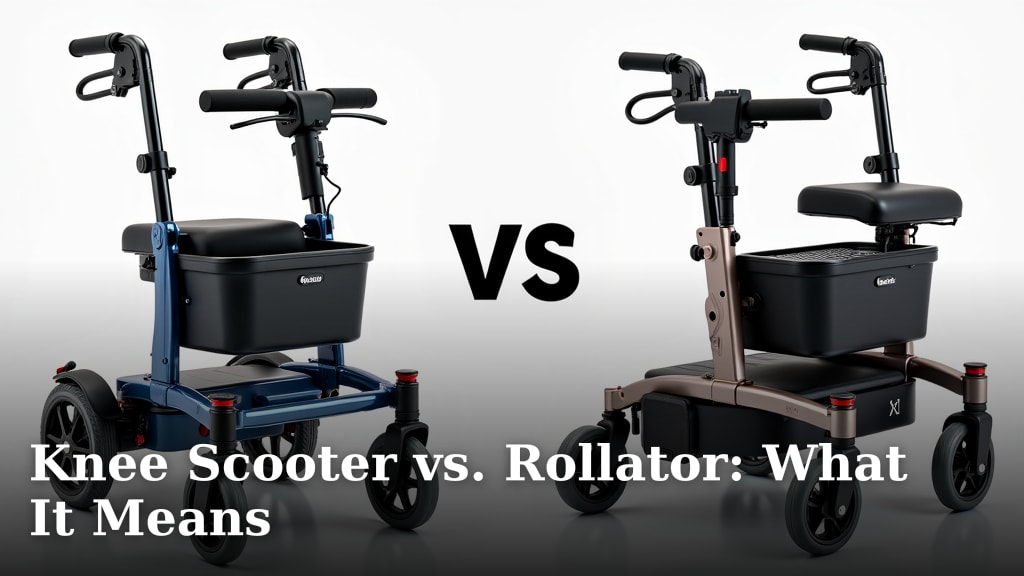
When deciding between a knee scooter and a rollator, the best choice depends on your specific needs and mobility challenges. A knee scooter is ideal for injuries below the knee, offering stability and ease of movement on smooth surfaces. A rollator, on the other hand, provides more overall support for walking and can handle varied terrain, making it a versatile option for general mobility assistance. Understanding these core differences is key to finding the right mobility aid for you.
Many people wonder which device offers better independence. Research and user feedback indicate that each excels in different situations. A knee scooter allows for a more natural gait and can be quicker for short distances. A rollator offers a place to rest and can assist with balance, which is essential for many seniors or those with chronic conditions. Both are designed to help you navigate your day with greater confidence and less pain.
TL;DR:
- Knee scooters are great for injuries below the knee.
- Rollators offer general walking support and rest.
- Consider your specific injury or mobility need.
- Smooth surfaces favor knee scooters; varied terrain favors rollators.
Let’s get into the details to help you decide which mobility aid is the perfect fit for your situation.
Choosing the Right Mobility Aid: Knee Scooter vs. Rollator
Deciding between a knee scooter and a rollator can feel like a big choice. You want something that helps you move around safely. You also want it to be easy to use. Let’s break down what each device offers. This will help you find the best fit for your situation.
Understanding the Knee Scooter
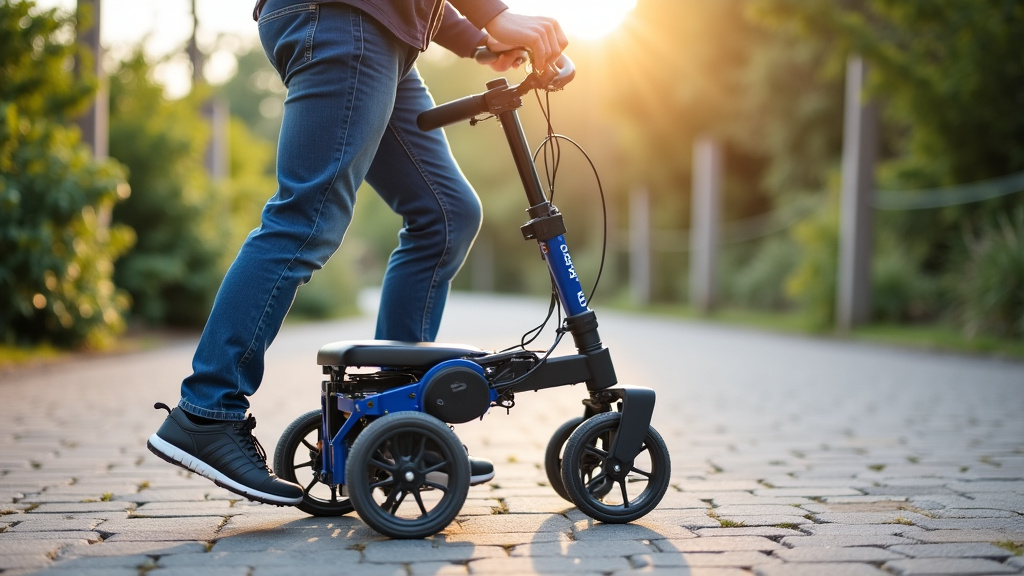
A knee scooter is designed for people with injuries or conditions below the knee. Think of sprained ankles, foot fractures, or post-surgery recovery. It works by letting you rest one knee on a padded platform. You then use your good leg to push yourself forward.
How a Knee Scooter Works for You
Imagine you’ve hurt your ankle. Walking is painful or impossible. A knee scooter lets you keep your injured foot elevated and off the ground. You steer it with handlebars, much like a bicycle. This allows for relatively **quick movement** over smooth surfaces. It helps you maintain a sense of independence when you might otherwise be stuck.
Best Use Cases for Knee Scooters
Knee scooters are fantastic for short-term mobility needs. They are particularly good when you need to get around your house or a flat office space. They can be surprisingly **easy to maneuver** in tight spots. Many users find they can navigate hallways and even small kitchens without too much trouble.
Limitations of Knee Scooters
However, knee scooters have their limits. They are generally not designed for rough terrain. Think about gravel paths or uneven sidewalks. These can be challenging and potentially unsafe. You also need to have good balance on your good leg. The padded knee rest is comfortable for many, but it’s not suitable for everyone.
Exploring the Rollator Walker
A rollator is a four-wheeled walker. It offers more comprehensive support for walking. It typically includes a seat, so you can rest whenever you need to. Rollators are often used by people who need help with balance or have limited stamina.
What Makes a Rollator Useful
A rollator gives you a stable base. The wheels make it easier to push than a traditional walker. The handlebars are adjustable for your height. Many come with handy features like a basket for carrying items. The built-in seat is a big plus for **reducing fatigue** during longer outings.
When a Rollator Shines
Rollators are very versatile. They can be used both indoors and outdoors. They handle various surfaces much better than a knee scooter. If you need help with your balance, the rollator provides a steady support system. It’s a great option for seniors or individuals with chronic conditions that affect their walking.
Considerations with Rollators
While great for support, rollators can be bulkier. They might be more challenging to navigate in very narrow spaces. You need to be able to stand up from a seated position with some ease. If you have an injury strictly below the knee and can still bear weight on your good leg, a rollator might offer more support than you need.
Knee Scooter vs. Rollator: A Direct Comparison
When you line them up side-by-side, the differences become clear. It’s less about which is “better” and more about which is “right” for you.
| Feature | Knee Scooter | Rollator |
|---|---|---|
| Primary Use | Injuries below the knee (foot, ankle) | General walking support, balance, rest |
| Support Level | Stabilizes one leg, good for active users | Provides stable frame, helps with standing and walking |
| Mobility Type | Push-powered movement, more like gliding | Assisted walking, stable support |
| Terrain Suitability | Best on smooth, flat surfaces | Handles varied indoor and outdoor surfaces |
| Portability | Often foldable, but can be long | Can be bulky, but many fold for storage |
| Resting Option | No built-in seat | Includes a seat for resting |
Which Device Best Suits Your Needs?
Think about your daily activities. Will you be mostly indoors on smooth floors? A knee scooter might be your best bet. Do you plan on going out to the park or to the grocery store? A rollator could offer more confidence and the ability to rest. Your doctor or physical therapist can offer **expert guidance** based on your specific condition.
Key Factors to Consider for Your Decision
Here’s a quick checklist to help you think it through:
- Your Injury/Condition: Is it localized below the knee?
- Surface Types: Where will you use the device most?
- Need for Rest: Do you need a place to sit down frequently?
- Balance Issues: Do you struggle with stability while walking?
- Your Home Environment: Do you have narrow hallways or stairs?
- Upper Body Strength: Can you push yourself with your good leg?
Conclusion
Choosing between a knee scooter and a rollator hinges on your specific mobility needs. A knee scooter excels for injuries below the knee, offering agility on smooth surfaces. A rollator provides broader support for walking and balance, with a handy seat for rest and better versatility on varied terrain. By carefully considering your injury type, the surfaces you’ll navigate, and your need for support or rest, you can confidently select the device that will best help you move with greater ease and independence. Don’t hesitate to consult with your doctor or a physical therapist for personalized recommendations.
Frequently Asked Questions
Can I use a knee scooter on carpet?
Using a knee scooter on carpet can be difficult and slow. The wheels may get stuck, making it hard to move. It’s best used on hard, smooth floors like wood, tile, or linoleum for optimal performance.
Is a rollator better for seniors with general weakness?
Yes, a rollator is often a better choice for seniors with general weakness or balance issues. It provides a stable frame to lean on and a seat for resting, which helps reduce fatigue during longer periods of walking.
How do I know if my injury is suitable for a knee scooter?
A knee scooter is typically suitable for injuries or conditions affecting your foot, ankle, or lower leg. If you can comfortably place your knee on a padded surface and bear weight on your good leg, it’s likely a good fit.
Can a rollator be used on grass or gravel?
Some rollators with larger wheels can handle light outdoor terrain like packed dirt or short grass better than a knee scooter. However, they still perform best on firmer surfaces and may struggle with very uneven or loose ground like deep gravel.
Which device is easier to store and transport?
Many knee scooters are designed to fold for easier storage and transport in a car trunk. While some rollators also fold, they can sometimes be bulkier than knee scooters due to their frame and seating.