When to Choose Crutches Over a Knee Scooter?
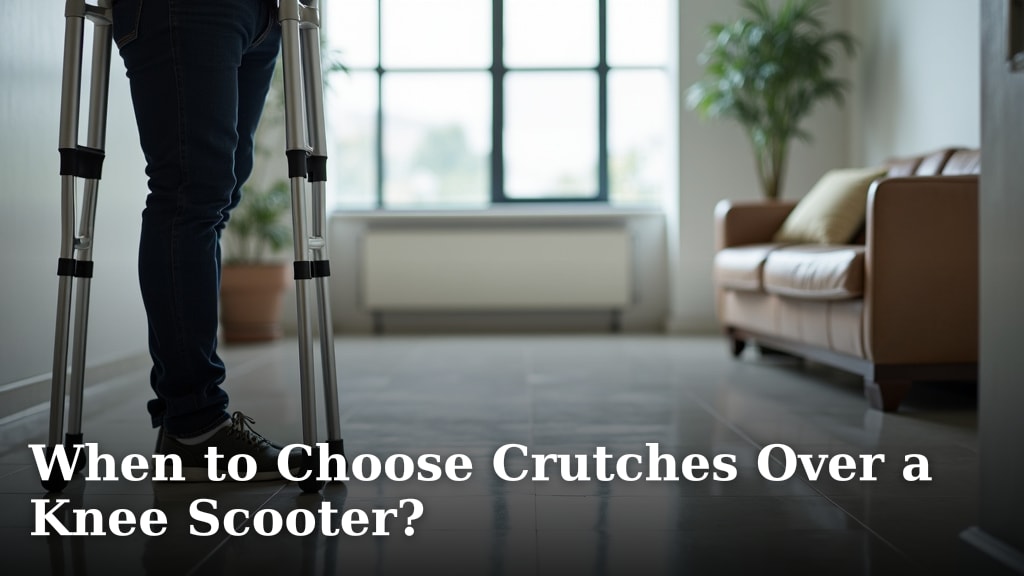
You might choose crutches over a knee scooter when you need maximum stability for uneven terrain or stairs. While knee scooters are great for smooth surfaces, crutches offer better support in more challenging environments. Both help you manage mobility after an injury, but your surroundings often dictate the best choice. Crutches provide superior grip and balance when you’re not on a flat path.
Thinking about your injury recovery can be tough. We know you want the best mobility aid to get you moving again. Research shows that understanding the differences helps you make a wise decision for your needs. Your daily activities and where you’ll be using the aid are key factors. What works for one person might not be ideal for another.
- Crutches are better for uneven ground and stairs.
- Knee scooters excel on smooth, flat surfaces like indoors.
- Consider your daily environment and activity level.
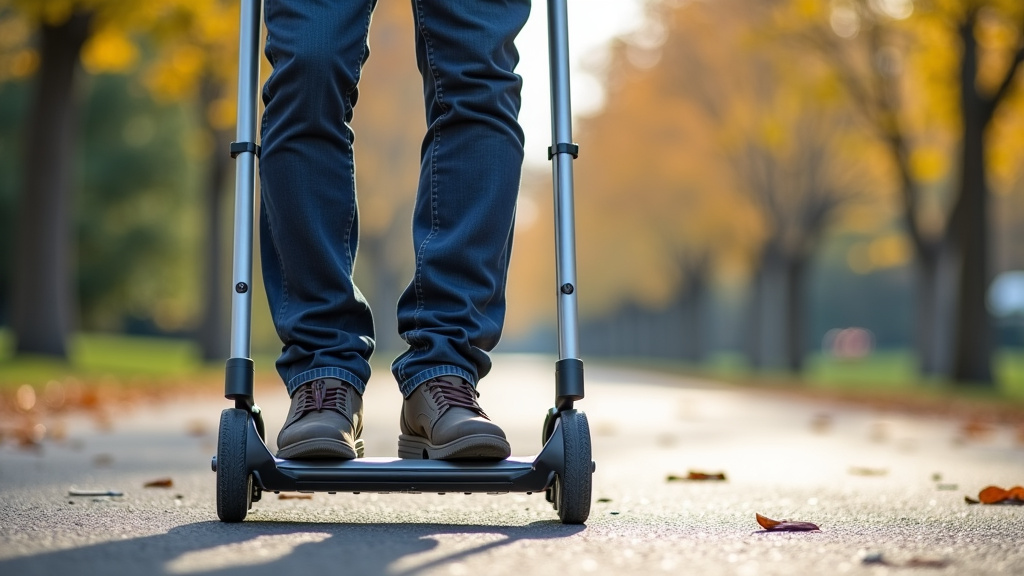
- Each aid has its own Understanding the parts of a knee scooter can help you make an informed choice.pros and cons for different situations.
Below, we’ll walk you through the specific situations where crutches really shine compared to a knee scooter, so you can feel confident in your choice.
When Crutches Might Be Your Better Mobility Option
Choosing between crutches and a knee scooter often comes down to your environment and how you need to move. While knee scooters are fantastic for getting around smoothly, crutches offer a different kind of support. They can be the right choice when your daily path isn’t a perfectly flat sidewalk.
Navigating Uneven or Challenging Terrains
Think about where you’ll spend most of your time. If you frequently walk on grass, gravel, or uneven paths, crutches are usually a safer bet. Knee scooters have wheels that can get stuck or tip over easily on bumpy surfaces. Research from physical therapy journals often highlights crutches for their stability on varied ground.
You might find yourself needing to cross a lawn or walk on a dirt path to get to your car. A knee scooter isn’t designed for this. Its small wheels can sink into soft ground. Crutches, on the other hand, allow you to place your tips firmly. This gives you a much better grip and control in such situations.
Conquering Stairs and Steps
This is a big one. If your home or workplace has stairs, crutches are almost always the preferred option. Knee scooters simply cannot go up or down stairs. Trying to manage them on steps can be dangerous. Crutches, while requiring practice, are specifically designed to help you navigate staircases safely.
Using crutches on stairs is a learned skill. You’ll need to learn the proper technique to avoid falls. Many mobility guides show that mastering this technique is essential for anyone with a lower leg injury who needs to use stairs regularly. It requires coordination and strength, but it’s far more achievable than with a scooter.
Indoor Mobility Beyond Smooth Floors
Even indoors, not all surfaces are created equal. If you have older homes with uneven floorboards, thick carpets, or transitions between different flooring types, a knee scooter might struggle. The scooter can get caught or feel unstable. Crutches provide a more consistent point of contact, making them adaptable to various indoor textures.
Consider those awkward thresholds between rooms or a shaggy rug in your living room. These can be trip hazards with a knee scooter. Your crutches, however, can be placed beside or slightly over these obstacles. This reduces the risk of a sudden stop or an unexpected wobble.
Dealing with Tight Spaces and Obstacles
Sometimes, getting around involves more than just walking. You might need to maneuver through crowded areas or tight corners. Crutches, when used properly, can allow you to pivot and turn more effectively than a knee scooter. A scooter has a fixed wheelbase, which can make it clumsy in confined areas.
Think about navigating a busy grocery store aisle or squeezing past furniture in a hallway. With crutches, you have more freedom to adjust your position and angle. This agility can make a big difference in your ability to complete daily tasks without feeling overly restricted. The Centers for Disease Control and Prevention (CDC) notes that mobility aids should facilitate daily living.
When a Knee Scooter Might Still Be Your Best Bet
It’s important to acknowledge that knee scooters have their strengths. They are often praised for their ease of use and comfort on smooth surfaces. If your world is mostly flat and paved, a knee scooter might still be ideal. We found that for many people with foot or ankle injuries, knee scooters offer a more relaxed experience.
The Advantage of Hands-Free Support
One of the biggest perks of a knee scooter is that it leaves your hands free. You can carry items, open doors, or push a shopping cart with relative ease. With crutches, your hands are occupied holding the device. This can make multitasking quite challenging.
Imagine trying to carry a cup of coffee, a phone, and a book. On a knee scooter, you might be able to balance these items. On crutches, it’s a much trickier juggling act. Many users report that the freedom of having hands available is a significant benefit of scooters.
Comfort for Prolonged Use on Smooth Surfaces
For longer distances on flat, smooth ground, a knee scooter can be more comfortable. You’re essentially sitting and gliding. This can be less tiring than the constant balancing and upper body work required with crutches. For individuals who need to cover significant distances indoors or on paved paths, scooters can reduce fatigue.
Many orthopedic specialists recommend knee scooters for recovery from injuries like a broken foot or ankle, provided the patient can safely transfer and navigate smooth areas. The sitting position can also be beneficial if you have any other underlying issues that make standing or balancing difficult for extended periods. It offers a more relaxed way to travel.
Making the Right Choice for Your Recovery Journey
Ultimately, the best mobility aid is the one that fits your life and your injury best. Consider your typical day. Where do you go? What do you need to do? Are there stairs? Is the ground level? Asking yourself these questions is key.
A Quick Checklist for Your Decision
To help you decide, ask yourself these questions. Tick off what applies to you:
- Do you regularly encounter stairs or steep inclines? If yes, crutches are likely better.
- Will you be using the aid mostly on smooth, flat surfaces? If yes, a knee scooter is a strong contender.
- Do you need to carry items frequently? If yes, a knee scooter might offer more convenience.
- Are your indoor spaces very varied (e.g., thick rugs, uneven floors)? If yes, crutches offer more versatility.
- Do you have concerns about balance or upper body fatigue? If yes, a knee scooter could be more comfortable on flat ground.
- Is dexterity in your hands crucial for daily tasks? If yes, a knee scooter allows for hands-free operation.
When to Consult a Professional
If you’re still unsure, your doctor, physical therapist, or an orthopedic specialist can provide personalized advice. They can assess your specific injury, your physical condition, and your living environment. This professional guidance is invaluable for making sure you choose the mobility aid that will support your healing process most effectively.
Conclusion
Deciding between crutches and a knee scooter really boils down to your environment and needs. If your recovery path involves stairs, uneven ground, or varied indoor textures, crutches offer the stability and grip you’ll likely need. For smoother, flat surfaces where you need your hands free and comfort for longer periods, a knee scooter often shines. Think about your daily routine and the terrain you’ll face. Your choice should help you move safely and confidently. For the most personalized advice, always speak with your doctor or physical therapist.
Frequently Asked Questions
Are crutches better than a knee scooter for outdoor use?
Generally, yes. Crutches provide better stability on uneven outdoor surfaces like grass or gravel, where a knee scooter’s wheels can get stuck. They offer superior grip and balance when you’re not on a perfectly paved path.
Can I use a knee scooter to go up or down stairs?
No, knee scooters are not designed for stairs and should never be used on them. Crutches are the preferred and safer option for navigating staircases during your recovery.
Which mobility aid is easier to maneuver in tight spaces?
Crutches can often be more maneuverable in very tight or crowded spaces, as they allow for more pivoting and angling. A knee scooter’s fixed wheelbase can sometimes make it feel clumsy in confined areas.
When would I choose crutches even if I have smooth floors at home?
You might still choose crutches if your home has very thick carpets or uneven floorboards that could make a knee scooter unstable. Crutches offer more consistent contact and adaptability to different indoor surfaces.
How do I know if I’m strong enough to use crutches?
Using crutches requires upper body strength and balance. Your doctor or physical therapist can assess your strength and teach you the proper technique to ensure you can use them safely and effectively for your recovery.