Medical Equipment Knee Scooter: Explained
Understanding the Knee Scooter for Medical Needs
A knee scooter is a medical mobility aid. It helps you get around when you can’t put weight on a foot or ankle. Think of it as a seated scooter that you roll on. You place your injured knee on a padded rest. Your hands steer and push you forward. It’s a practical tool for recovery.
What Is a Knee Scooter and How Does It Work?
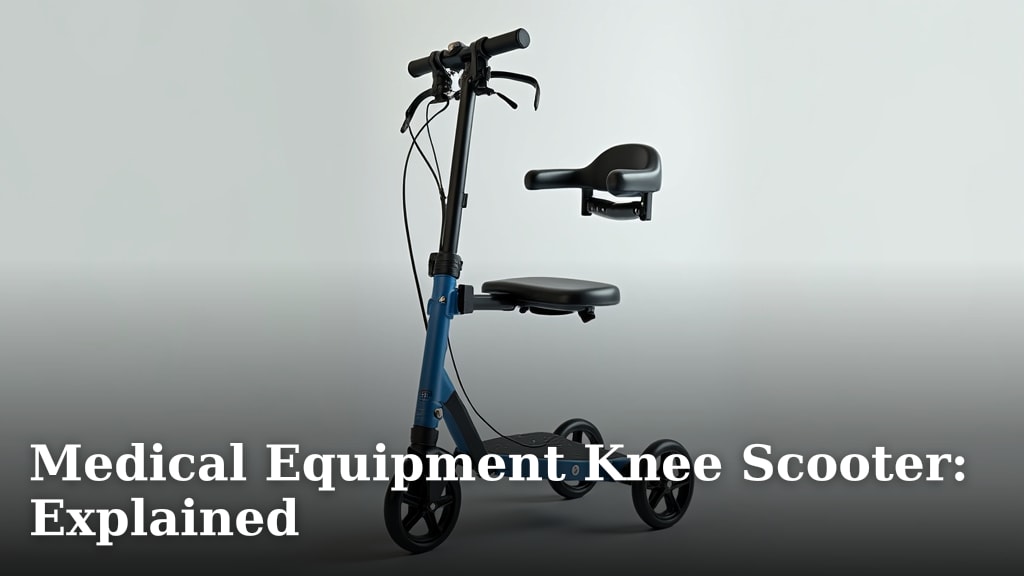
A knee scooter is a **non-weight-bearing** device. It is used after foot, ankle, or lower leg injuries. You rest the knee of your hurt leg on the padded platform. You push with your good leg. Your hands control the handlebars to steer. It works like a cross between a scooter and a walker. It gives you freedom without putting stress on your injury.
Key Parts of a Knee Scooter
Let’s look at the main parts. Each piece has a specific job. Knowing them helps you use it safely.
The Knee Platform and Handlebars
The knee platform is where you place your knee. It is padded for comfort. It should be **adjustable** to fit your leg height. The handlebars let you steer and balance. They also hold the hand brakes. The platform and handlebars work together for control.
Wheels and Brakes
Most knee scooters have four wheels. This gives you **better stability**. Some have three wheels for tighter turns. The brakes are crucial. You squeeze them like bicycle brakes. They stop the scooter and keep you safe on ramps or slopes.
Why a Knee Scooter Might Be Better Than Crutches
Many people find knee scooters easier to use. Crutches can be tiring and cause arm pain. A knee scooter lets you sit while moving. It’s generally **more stable** on flat ground. You can carry things in a basket or on a tray. This makes daily tasks simpler. The choice depends on your injury and what your doctor suggests.
Comfort and Convenience
Sitting down while moving is a big plus. You don’t have to worry about slipping. You can roll to the kitchen, bathroom, or outside. Some models have baskets for groceries or a phone. This helps you **stay independent** during recovery. It feels less like a medical device and more like a helpful tool.
Reduced Strain on Your Body
Using crutches can strain your shoulders, wrists, and underarms. A knee scooter takes that pressure off. You use your hands for steering, not for supporting your weight. This can lead to **less fatigue**. Many orthopedic guidelines recommend knee scooters for certain foot and ankle surgeries (Mayo Clinic). Our guide explains why less fatigue is a primary reason for choosing a knee scooter over crutches.
Different Types of Knee Scooters
Not all knee scooters are the same. They are made for different needs. Here’s a simple comparison.
| Type | Best For | Key Features |
|---|---|---|
| Standard Knee Scooter | Indoor use, short distances, light injuries | Smaller wheels, lightweight, foldable |
| Heavy-Duty or All-Terrain Scooter | Outdoor use, uneven ground, larger individuals | Larger pneumatic tires, wider frame, higher weight capacity |
| Steerable Knee Scooter | General use, needing better control | Handlebar steering (most common type) |
| Three-Wheel Knee Scooter | Tighter spaces, enhanced turning radius | More maneuverable, may be less stable |
The right type depends on your lifestyle. If you live in a small apartment, a standard scooter is fine. If you need to go outside on sidewalks, an all-terrain model is better.
How to Use a Knee Scooter Safely
Safety comes first. Using a scooter correctly prevents falls and new injuries. Follow these steps.
Adjusting the Height Correctly
This is the most important step. The knee platform should be at the right height. When you’re standing, the top of the platform should be **just below your bent knee**. This keeps your hips level. An improper height can cause back or hip pain. Check the instructions or ask your doctor for help adjusting it.
Getting On and Off
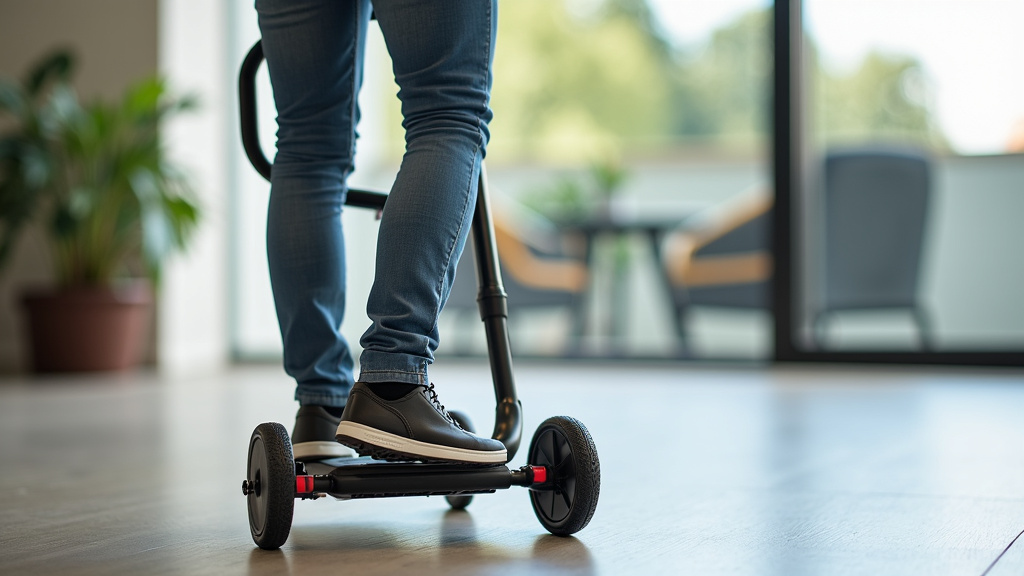
Make sure the scooter is on a flat, stable surface. Engage the brakes. Place your injured knee on the padded platform. Keep your hands on the handlebars. Test the balance before you start rolling. When getting off, engage the brakes first. Then carefully lift your knee off the platform.
Everyday Use and Maintenance Tips
A little care goes a long way. Keep your scooter in good shape for safety and comfort.
Daily Safety Checklist
Use this short checklist before each ride.
- Check brakes: Squeeze them to ensure they stop the wheels.
- Check height: Make sure the knee platform hasn’t slipped.
- Check tires: Look for low pressure or damage.
- Clear the path: Remove rugs or cords that could cause a trip.
- Wear proper shoes: Use flat, non-slip shoes on your good foot.
- Go slow: Don’t rush, especially on turns or ramps.
Regular Maintenance
Keep the scooter clean. Wipe down the handles and knee pad. Check the tightness of bolts and screws monthly. Make sure the wheels roll smoothly. If a wheel gets wobbly, don’t use the scooter. Get it fixed. Your safety depends on it.
When to Use a Knee Scooter and When Not To
A knee scooter isn’t for everyone or every injury. It works well for broken ankles, foot surgery, or Achilles injuries. It helps when you can’t bear weight on one leg. However, it’s not ideal for all injuries. For example, it’s not good for hip or knee injuries. It’s not for people with very poor balance. Always talk to your doctor first.
Common Mistakes to Avoid
Even with a great scooter, mistakes can happen. Don’t use it on stairs or escalators. Don’t lean too far to one side. Don’t carry heavy loads that make you tip. Don’t forget to lock the brakes when stopped. And don’t ignore pain. If it hurts, stop and check your position.
Getting Used to Your Knee Scooter
It takes a bit of practice. You might feel wobbly at first. That’s normal. Start in a large, open space. Roll slowly and get a feel for the steering. Your good leg will do the work. Before you know it, you’ll be moving around with more confidence. Remember, it’s a tool to help you heal.
Many people say it gives them their freedom back during recovery. It can make a tough time a little easier. Just take it slow and listen to your body.
Conclusion
A knee scooter is a smart choice for recovering from foot or ankle injuries. It offers better stability and comfort than crutches, letting you move around independently. You now know the key parts, how to use it safely, and what type might fit your life. Remember to adjust the height correctly and do daily safety checks. The most important step is to consult your doctor. They can help you decide if a knee scooter is right for your recovery plan.
Frequently Asked Questions
How long will I need to use a knee scooter?
The duration depends on your injury and doctor’s advice. Most people use it for several weeks until they can bear weight again. Your doctor will guide you on when to transition to other aids. Always follow your recovery timeline for safe healing.
Can I use a knee scooter on carpet or uneven ground?
Standard knee scooters work best on smooth, flat surfaces. For carpet or uneven ground, choose an all-terrain model with larger tires. Check your scooter’s specifications before using it on rough surfaces. This helps prevent falls and ensures better control.
Are knee scooters covered by insurance or Medicare?
Coverage varies by insurance plan and medical necessity. Some plans may cover knee scooters as durable medical equipment. You often need a prescription from your doctor. Contact your insurance provider to verify your benefits and options.
What should I do if my knee scooter gets a flat tire?
Stop using the scooter immediately if a tire is flat or damaged. Check if you can inflate or repair it yourself. If not, seek help from the manufacturer or a local repair shop. Your safety depends on having properly functioning wheels.
Can children or smaller adults use knee scooters?
Yes, there are knee scooters designed for different sizes, including smaller adults. Children should only use scooters specifically made for their age and weight. Always adjust the knee platform to fit their height. Consult a healthcare provider for the safest option.