Knee Scooter vs. Crutches for Foot Surgery
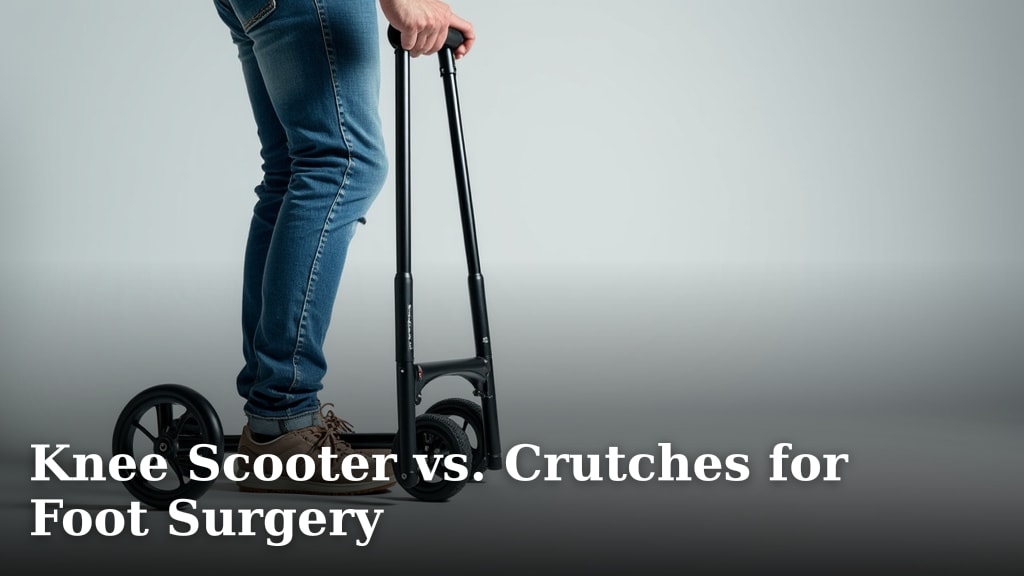
For foot surgery recovery, a knee scooter generally offers more freedom and less strain than crutches. Knee scooters allow you to propel yourself with your good leg, keeping your injured foot elevated and off the ground. This can make everyday tasks much easier and help you move around your home with greater stability. Many find them a more comfortable and convenient option than traditional crutches.
Choosing the right mobility aid after foot surgery is a big decision. Both knee scooters and crutches serve the purpose of keeping weight off your injured foot. But they differ greatly in how they allow you to move and manage your daily life. We looked into what makes each one suitable for different situations to help you make an informed choice for your recovery journey. Proper mobility support is key for a smoother healing process.
- Knee scooters let you use your good leg to move.
- Crutches require more upper body strength and balance.
- Scooters can be easier for navigating home and short distances.
- Crutches can be better for uneven terrain or stairs.
- Your doctor’s recommendation is the most important factor.
Let’s break down the pros and cons of knee scooters versus crutches so you can decide which is best for your foot surgery recovery.
After foot surgery, getting around can feel like a puzzle. You need to keep your foot safe. You also want to maintain some independence. Two popular choices for this are knee scooters and crutches. Each has its own way of helping you move. We’ve looked into how each one works and what makes them a good fit for different people.
Navigating Your Recovery: Scooter or Crutches?
Your doctor will guide you on what’s best. But understanding the differences can help you prepare. Both aims are the same: keep weight off your injured foot. They just use different methods. Think of it like choosing between a bike and a skateboard. Both get you from A to B, but the ride is very different.
The Knee Scooter: A Rolling Solution
A knee scooter is like a small, three-wheeled scooter. You place your injured leg in the padded knee rest. Then, you use your good leg to push yourself forward. It’s a bit like scooting on a skateboard, but with more stability. This keeps your foot elevated and completely off the ground. Many people find this much easier than balancing on crutches. Understanding the parts of a knee scooter can help you use it effectively.
How Knee Scooters Work for You
Imagine trying to make a cup of coffee. With crutches, this can be a juggling act. You might need to balance a mug, creamer, and sugar. A knee scooter frees up your hands. You can simply glide to the kitchen. Then, you can hold items with both hands. This makes simple tasks feel less daunting. Research from physical therapists often highlights their benefit for keeping weight off injured limbs (American Physical Therapy Association).
Pros of Using a Knee Scooter
- Easier on your body: It uses your strong leg for power. This means less strain on your arms, wrists, and shoulders.
- More freedom: You can move around your home with less effort. This can boost your mood and independence.
- Keeps foot elevated: The design naturally keeps your injured foot higher. This can help reduce swelling.
- Hands-free movement: Your hands are free to carry things. This makes tasks like preparing food or holding a phone easier.
- Stable design: Most have three or four wheels. This offers a stable base, reducing the risk of falls.
Cons of Using a Knee Scooter
- Not for stairs: You absolutely cannot use a knee scooter on stairs. This is a major limitation for multi-level homes.
- Outdoor challenges: Uneven sidewalks or rough terrain can be difficult. Potholes or gravel can make for a bumpy ride.
- Requires space: They can be bulky to store. Maneuvering them in tight spaces might be tricky.
- Learning curve: There’s a small adjustment period. Getting the hang of pushing and steering takes a little practice.
- Weather dependent: Using one in rain or snow can be slippery and unsafe.
Crutches: The Classic Approach
Crutches are the traditional choice. They involve two long poles that support your body. You lean on the top part and use your hands and arms to lift yourself. They require good upper body strength and balance. Your doctor might recommend them if you have specific mobility needs.
How Crutches Help Your Recovery
Crutches are excellent for keeping weight off your foot. They force you to use your arms and core muscles. This can be a good workout, but it’s also tiring. Many people find they get sore shoulders and wrists after a while. The Mayo Clinic often recommends crutches when significant weight-bearing is forbidden.
Pros of Using Crutches
- Stair navigation: With practice, you can learn to go up and down stairs using crutches. This is a major advantage if you have stairs.
- Works on most terrain: Crutches can handle varied surfaces better than scooters.
- Compact for storage: They are less bulky than scooters. You can lean them against a wall easily.
- Widely available: Crutches are a common medical supply. They are often provided by hospitals or pharmacies.
- Good for short-term needs: If your injury is very minor or recovery very short, crutches might suffice.
Cons of Using Crutches
- Hard on upper body: Your arms, shoulders, and wrists take a lot of strain. This can lead to pain and fatigue.
- Difficult for carrying items: You need one hand to hold the crutch. This makes carrying bags or plates challenging.
- Risk of falls: Balancing on crutches requires skill. A slip or stumble can easily lead to a fall.
- Can cause posture issues: If not used correctly, crutches can lead to slouching or uneven posture.
- Slower movement: It often takes longer to travel even short distances.
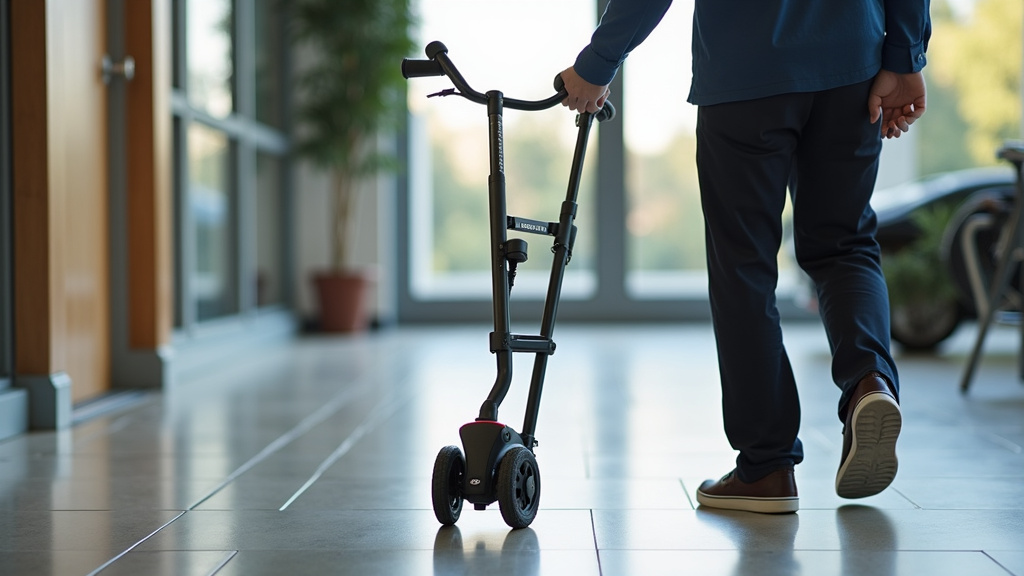
Comparing Knee Scooters and Crutches Side-by-Side
Let’s look at how they stack up for common situations. It’s like comparing two different tools for the same job. Which one fits your needs best?
| Feature | Knee Scooter | Crutches |
|---|---|---|
| Ease of Use | Generally easier, uses leg strength. | Requires significant upper body strength. |
| Carrying Items | Hands are free, much easier. | Difficult, one hand is occupied. |
| Stairs | Cannot be used on stairs. | Possible with practice, but difficult. |
| Terrain | Best on smooth, flat surfaces. | Works on a variety of surfaces. |
| Comfort | Often more comfortable for longer periods. | Can cause shoulder, wrist, and back pain. |
| Swelling Reduction | Naturally keeps leg elevated. | Requires conscious effort to keep elevated. |
Making the Right Choice for Your Foot Surgery Recovery
So, which one is the winner? It really depends on your lifestyle and your home environment. If you live in a single-story home with smooth floors, a knee scooter might be a dream. You’ll likely find everyday tasks much simpler. You can glide from room to room, keeping your hands free.
On the other hand, if you have stairs, or if your job requires a lot of walking on uneven ground, crutches might be more practical. However, be prepared for the physical demands. You might want to start doing some arm strengthening exercises before your surgery. Many people find they need to adjust how they do things when using crutches.
Consider these points:
- Your home: Are there many stairs? Is the flooring smooth?
- Your physical condition: Do you have good upper body strength?
- Your daily routine: Do you need to carry things often?
- Your doctor’s advice: Always follow your medical team’s recommendations.
Ultimately, the goal is safe and effective healing. Both devices help achieve that. But one might make the journey much more comfortable for you. We found that many users report fewer aches and pains with knee scooters. However, crutches offer a level of versatility that scooters cannot match.
Conclusion
Choosing between a knee scooter and crutches after foot surgery is a personal decision. We found that knee scooters often provide more comfort and independence for daily tasks in a home environment. They keep your hands free and your injured leg elevated, which can reduce swelling and make moving around easier. Crutches, while more physically demanding, offer better versatility for navigating stairs and varied terrain. Ultimately, consider your home setup, physical condition, and doctor’s guidance to pick the mobility aid that best supports your recovery journey.
Frequently Asked Questions
Can I use a knee scooter on carpet?
Yes, most knee scooters can be used on carpet, but it may require more effort to propel yourself. Smooth, low-pile carpets are generally easier to navigate than thick, high-pile carpets. Ensure the wheels are clean to prevent dragging.
How long should I use a mobility aid like a scooter or crutches?
The duration you need a mobility aid depends on your specific surgery and healing progress. Your doctor or physical therapist will advise you on when it’s safe to transition to weight-bearing as tolerated. Always follow their recommendations for a safe recovery.
Are knee scooters difficult to steer?
Knee scooters typically have handlebars that turn, making them steerable like a bicycle. There’s a slight learning curve to get used to the motion and balance, but most people find them easy to control with a little practice.
Can I use crutches if I have weak wrists?
If you have weak wrists or poor upper body strength, crutches can be very challenging and may cause pain. In such cases, a knee scooter is often a much better and safer alternative. Discuss this concern with your doctor.
Which is better for long-term recovery: a scooter or crutches?
For longer recovery periods at home, many people find knee scooters more comfortable and less taxing on their body than crutches. Crutches can lead to fatigue and pain in the arms, shoulders, and back with prolonged use.