Knee Scooter for Short People: Key Facts
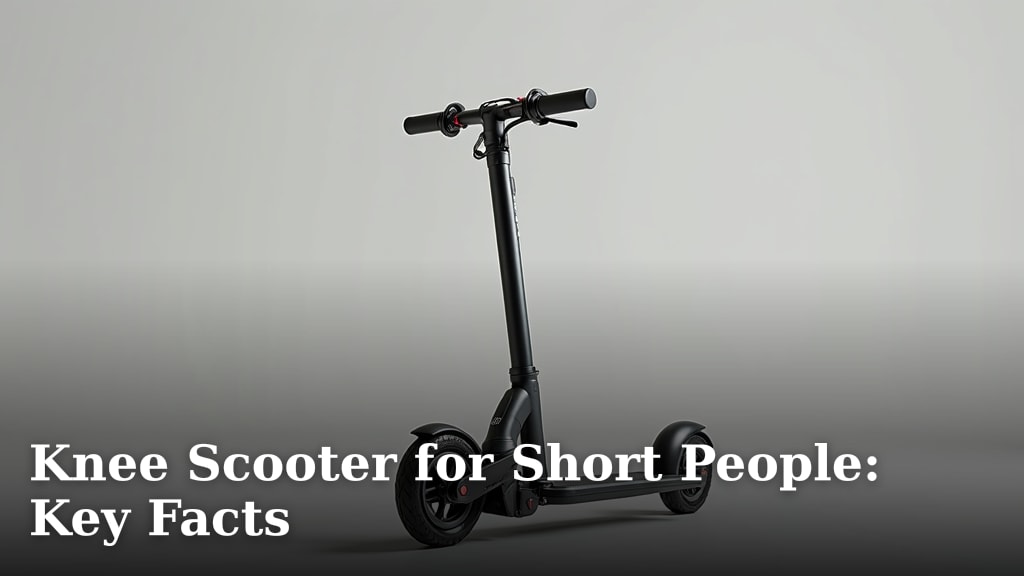
Yes, knee scooters can be a great mobility aid for short individuals. Finding a knee scooter that properly fits your height is Yes, a knee scooter can be a great mobility aid for short individuals; our guide explains why you would use one.essential for comfort and safety. A scooter that’s too tall or too short can make recovery more difficult. This guide will help you understand what to look for in a knee scooter for short people.
When you’re recovering from an injury, you need equipment that works for your body. Standard knee scooters might not be designed with shorter statures in mind. We found that many models offer adjustable features that make them adaptable. Prioritizing a scooter with a low seat height and adjustable handles is key for a stable and comfortable experience.
- Shorter individuals need scooters with adjustable height.
- Look for a low seat and handle height.
- Proper fit prevents strain and improves stability.
- Rental and purchase options are available.
Let’s walk through the key features and considerations to help you find the perfect knee scooter for your needs.
Choosing the Right Knee Scooter for Your Height
Finding a knee scooter that fits your specific height is super important. If it’s too tall, you might feel unstable. If it’s too short, it can lead to discomfort and strain. We researched what makes a knee scooter work well for shorter individuals.
Understanding Knee Scooter Adjustability
The good news is that most knee scooters are designed to be adjustable. This is key for getting a proper fit. You’ll want to focus on two main areas: the seat height and the handlebar height.
Seat Height: The Foundation of Your Comfort
The seat is where you’ll be resting your injured leg. For shorter people, a lower maximum seat height is often more important than a very high one. We found that many scooters can adjust down quite a bit. You want to be able to rest your knee comfortably without your leg feeling stretched out or cramped.
Think about how you’ll be sitting. Your injured leg’s knee should be supported, and your thigh should be roughly parallel to the ground. If the seat is too high, you might feel like you’re perched precariously. If it’s too low, your leg might be bent at an awkward angle. We found that models with a wider range of seat adjustment are generally more accommodating.
Handlebar Height: Steering and Stability
The handlebars are your control center. They need to be at a height that allows you to steer easily and maintain your balance. For shorter individuals, this often means the handlebars need to adjust to a lower position. You shouldn’t have to hunch over to reach them, nor should you feel like you’re reaching too high.
When you’re standing next to the scooter, the handlebars should generally be around your hip level. This gives you a good grip and allows for easy maneuvering. We found that checking the minimum handlebar height is just as crucial as checking the maximum. This ensures the scooter can be set low enough for you.
Key Features to Look For
Beyond just height adjustments, several other features can make a knee scooter a better choice for shorter users. These focus on stability, ease of use, and overall comfort during your recovery period.
Compact Design and Maneuverability
Sometimes, taller scooters can feel bulky. A more compact design might feel more manageable for someone with a shorter frame. This can be especially helpful when navigating tight spaces, like doorways or narrow hallways. We found that some scooters are designed with a narrower base, which can improve maneuverability.
Weight Capacity and Frame Stability
While you’re not putting your full weight on the scooter, the frame still needs to be sturdy. You’ll be leaning on it and pushing off with your good leg. We found that most standard knee scooters have a weight capacity that’s more than sufficient for the average person. The key is that the frame feels stable under you, regardless of its size. A wobbly scooter is not helpful for anyone, especially when you’re already dealing with an injury.
Braking System Effectiveness
A reliable braking system is non-negotiable. You need to be able to stop quickly and safely. Most knee scooters have hand-operated brakes, similar to a bicycle. We found that it’s important for the brake levers to be easy to reach and operate with your hands. If the levers are too far away or require a lot of hand strength, it could be a problem.
Considering Specific Models and Specifications
When you’re shopping, you’ll see a lot of different models. It helps to know what numbers to look for. We suggest making a list of your essential measurements before you start comparing.
Minimum and Maximum Seat Height Range
This is probably the most critical specification for shorter individuals. You’ll want to find the range of heights the seat can be adjusted to. For example, a scooter might have a seat height range of 16 inches to 21 inches. You need to ensure your ideal sitting height falls within this range.
We found that many manufacturers clearly list these dimensions on their product pages. Don’t hesitate to measure your leg to figure out your ideal sitting height. Measure from the floor to your knee when you’re sitting on a chair, then add a little for comfort.
Minimum and Maximum Handlebar Height Range
Similarly, check the handlebar adjustment range. This is also vital for comfortable steering and control. A common range might be 30 inches to 40 inches. Again, ensure the lower end of this range is suitable for you. You want to feel in control, not like you’re struggling to reach.
Overall Scooter Dimensions
While not as critical as seat and handlebar height, the overall footprint of the scooter can matter. If you live in a smaller space, a more compact scooter might be a better fit. We found that some scooters are designed to fold for easier storage, which is a nice bonus.
Trying Before You Buy (or Rent)
If possible, trying out a knee scooter before committing is the best approach. You can often do this at medical supply stores or through rental companies. This allows you to physically sit on the scooter and test its adjustments. We found that this hands-on experience can reveal comfort issues you wouldn’t see on paper.
What to Test When Trying One Out
When you get a chance to try a scooter, check these things:
- Can you easily adjust the seat to a comfortable height?
- Do the handlebars feel natural to grip? Can you steer smoothly?
- Are the brakes easy to engage and release?
- Does the scooter feel stable when you’re sitting on it?
- Can you easily push off with your good leg?
Rental vs. Purchase: What’s Best for You?
Your recovery timeline plays a big role in deciding whether to rent or buy. If your injury is expected to last a few weeks, renting might be more cost-effective. If you anticipate needing the scooter for a longer period, purchasing could be a better investment. We found that many people rent first to see if a knee scooter is the right mobility aid for them.
Factors to Consider for Renting
When renting, compare daily, weekly, and monthly rates. Make sure the rental company has scooters available that fit your height requirements. Ask about delivery and pickup options. We found that understanding the terms of the rental agreement is crucial to avoid unexpected charges.
Factors to Consider for Purchasing
If you buy, you have more options for finding the perfect fit. You can spend more time researching and comparing different models. Think about where you’ll store it when you’re not using it. We found that investing in a well-made scooter can make your recovery period much more comfortable and less frustrating.
A Quick Checklist for Finding Your Fit
Here’s a simple checklist to help you ensure you’re choosing the right knee scooter:
- Confirm adjustable seat height fits your needs.
- Check that handlebar height adjusts low enough.
- Ensure the brakes are easy to operate.
- Consider the scooter’s overall size and weight.
- If possible, test ride before committing.
- Decide if renting or buying makes more sense.
Conclusion
Finding the right knee scooter for your height is key to a comfortable and safe recovery. You’ve learned that adjustability in both the seat and handlebars is essential for a proper fit. Don’t forget to consider maneuverability, braking, and overall stability. While many scooters offer these features, focusing on the minimum and maximum height ranges for the seat and handlebars will guide you to the best choice. Your next step is to measure your ideal sitting height and reach, then compare those with the specifications of different models. Trying one out, if possible, is highly recommended.
Frequently Asked Questions
What is the ideal seat height for a knee scooter for someone short?
The ideal seat height allows your injured knee to rest comfortably without your leg being stretched or cramped. We found that your thigh should be roughly parallel to the ground. You’ll want to ensure the scooter’s adjustable seat can go low enough to achieve this position comfortably.
How do I know if the handlebar height is right for me?
When you’re standing next to the scooter, the handlebars should reach about your hip level. This allows for easy steering and good balance. We found that the scooter should not require you to hunch over or reach too high to grip the handlebars.
Can a knee scooter be too small for a short person?
While scooters are generally adjustable, a scooter that is too short in its lowest settings can still be problematic. If the lowest seat or handlebar position is still too high, it can cause discomfort and instability. Always check the minimum height specifications.
Are there knee scooters specifically designed for shorter individuals?
While there aren’t many models exclusively marketed for “short people,” most modern knee scooters are designed with a wide range of adjustability. By focusing on models with lower minimum seat and handlebar heights, you can find one that works well for your stature.
Should I rent or buy a knee scooter if I’m shorter?
Your recovery timeline is the main factor. For shorter recoveries, renting is often more cost-effective. If your recovery might be longer, purchasing allows you to find a scooter that perfectly fits your measurements for extended comfort. We found many people rent first to confirm a knee scooter is the right aid for them.