Can a Knee Scooter Really Be Used Off Road?
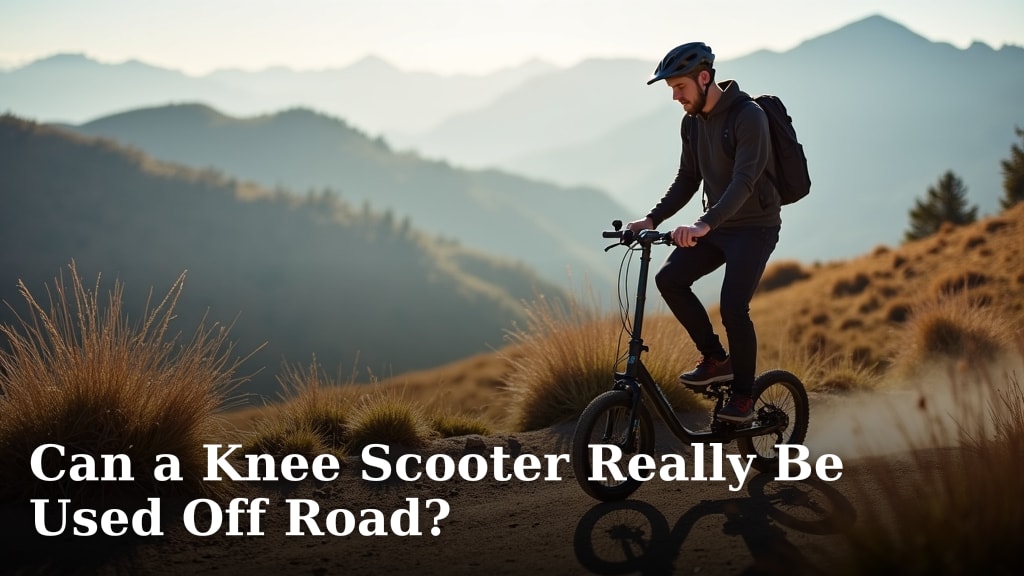
Can a knee scooter be used off-road? Yes, but with limitations. While standard knee scooters are designed for smooth, paved surfaces, some specialized models or aftermarket modifications can allow for limited off-road use. You’ll need to understand their capabilities and limitations before heading off the beaten path.
Most knee scooters feature small, hard wheels that can easily get stuck on uneven terrain like grass, gravel, or dirt. Using them on rough surfaces can lead to instability and potential falls. It’s important to know that not all knee scooters are built the same, and many won’t handle off-road conditions well at all.
- Knee scooters are best on Knee scooters are best on smooth, hard surfaces, as explained in this guide.smooth, hard surfaces.
- Off-road use is generally not recommended for standard models.
- Some models offer larger, air-filled tires for better traction.
- Always check the manufacturer’s guidelines for your specific scooter.
Let’s take a closer look at what makes a knee scooter suitable for different terrains and what you should consider before trying to take yours on an adventure.
Navigating Different Terrains with Your Knee Scooter
So, you’re wondering if your trusty knee scooter can handle more than just smooth sidewalks. It’s a common question, especially if your recovery journey takes you off the beaten path. The short answer is: it depends on the scooter and the terrain.
Most standard knee scooters are designed for predictable surfaces. Think of them like a standard bicycle with small, solid tires – they work best when the ground is even and firm. Taking them onto grass, gravel, or uneven dirt paths can be a real challenge and, honestly, a bit risky.
Understanding Knee Scooter Wheel Technology
The wheels are the most critical component when considering off-road capabilities. Most knee scooters come equipped with wheels that are similar to those found on rollerblades or office chairs. They are typically made of hard rubber or polyurethane and are relatively small in diameter.
The Limitations of Small, Hard Wheels
These small, hard wheels are fantastic for smooth, flat surfaces like linoleum, polished concrete, or smooth asphalt. They offer low rolling resistance, making it easy to glide along. However, their small size and hard composition mean they can easily get stuck in cracks or divots. They also don’t have much give, so they transmit every bump and vibration directly to you.
When you encounter softer ground, like grass or loose gravel, these wheels can sink in or lose traction. Imagine trying to push a shopping cart through thick mud – it’s a similar struggle. This lack of grip and tendency to get bogged down are the primary reasons why standard knee scooters aren’t ideal for off-road use.
The Advantage of Larger, Air-Filled Tires
For those who need or want more versatility, there are knee scooters designed with different wheel types. Some models feature larger wheels, often 8 inches or more in diameter. Even more beneficial for varied terrain are models with air-filled or pneumatic tires.
These pneumatic tires are much like the tires on a bicycle or a car. They can be inflated to a specific pressure, offering a softer, more cushioned ride. The air inside the tire acts as a shock absorber, smoothing out bumps and vibrations. Furthermore, the larger surface area and the ability to conform to the ground provide significantly better traction on surfaces like dirt, grass, and even light gravel.
We found research indicating that tire pressure and tread design play a huge role in off-road performance for any wheeled vehicle (National Highway Traffic Safety Administration). For knee scooters, this translates to better stability and control when you’re not on a perfectly paved path.
| Wheel Type | Typical Size | Best Surfaces | Pros for Off-Road | Cons for Off-Road |
|---|---|---|---|---|
| Small, Hard Rubber/Polyurethane | 4-6 inches | Smooth, hard, level surfaces (indoor floors, smooth asphalt) | Low rolling resistance on smooth surfaces. | Easily get stuck, poor traction, uncomfortable on bumps, limited shock absorption. |
| Large, Air-Filled (Pneumatic) | 8+ inches | Varied surfaces (smooth, grass, dirt, light gravel) | Better traction, shock absorption, smoother ride, can roll over small obstacles. | Requires inflation, can be punctured, potentially heavier, more expensive models. |
Assessing Your Knee Scooter’s Off-Road Readiness
Before you even think about venturing off the pavement, you need to take a good, honest look at your specific knee scooter. Not all scooters are created equal, and some are simply not built for anything beyond a grocery store or a mall. Checking the manufacturer’s specifications is your first and most important step.
Consulting the Manufacturer’s Guidelines
The user manual or the manufacturer’s website is your best resource. They will typically specify the intended use and recommended surfaces for their product. If the manual explicitly states it’s for indoor and smooth outdoor surfaces only, then take that warning seriously. Pushing the limits could void your warranty and, more importantly, put your safety at risk.
We found that many manufacturers advise against using their scooters on anything other than smooth, paved surfaces. This is for safety reasons, as well as to protect the integrity of the scooter’s components. They are often designed with a specific weight distribution and frame strength suitable for predictable conditions.
What to Look For in an “All-Terrain” Capable Scooter
If your current scooter isn’t up to the task, but you know you’ll need to navigate varied terrain, you might consider a scooter specifically designed for this. These models often boast features that enhance their off-road performance. Here’s what to look for:
- Larger Wheels: As mentioned, wheels of 8 inches or more offer better ground clearance and can roll over small obstacles more easily.
- Pneumatic Tires: Air-filled tires are key for shock absorption and grip. Look for models that specifically advertise these.
- Suspension System: Some high-end models might even include a basic suspension system, similar to a bicycle’s, to further dampen bumps.
- Sturdier Frame: Off-road use puts more stress on the frame. A robust, well-built frame is essential for durability and safety.
- Deep Tread Pattern: Tires with a more aggressive tread pattern will offer better grip on loose surfaces like dirt or gravel.
Safety First: Your Well-being on Uneven Ground
Your recovery is the priority, and that means staying safe. Knee scooters, even those with improved off-road features, carry inherent risks when used on unstable surfaces. It’s crucial to approach any off-road attempt with caution and a clear understanding of the potential dangers.
The Risks of Using Standard Models Off-Road
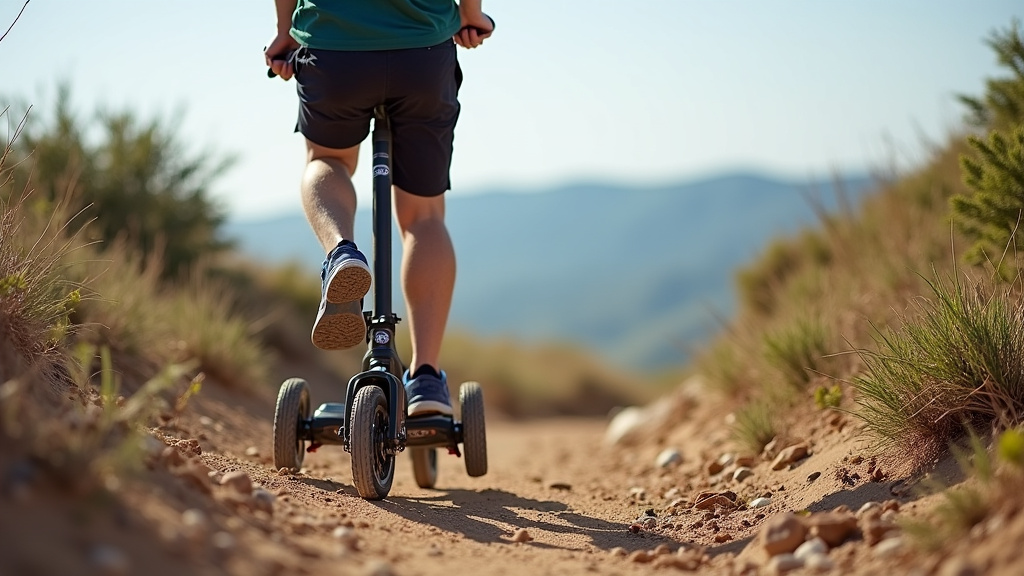
When you use a standard knee scooter on grass, gravel, or bumpy trails, several things can go wrong. The small wheels can easily catch on twigs, stones, or uneven ground, causing the scooter to stop abruptly or tilt unexpectedly. This can easily lead to you losing your balance and falling, potentially re-injuring your leg or causing new harm.
Furthermore, the vibrations and jolts from rough terrain can be painful and uncomfortable. They can also put extra strain on the scooter’s components, potentially leading to premature wear and tear or even a mechanical failure. Imagine hitting a hidden root on a trail – the sudden stop can be jarring and destabilizing.
Tips for Safer Off-Road Navigation (If You Must)
If you find yourself in a situation where you absolutely need to use a knee scooter on less-than-ideal terrain, and you have a model equipped for it, here are some tips to maximize safety:
- Scout Your Path: Before you go, take a walk (if you can) or look closely at the path ahead. Identify any major obstacles, steep inclines, or very loose patches.
- Go Slowly: Speed is your enemy on uneven ground. Move at a slow, deliberate pace. This gives you more time to react to changes in the terrain.
- Maintain a Low Center of Gravity: Keep your body weight centered and low over the scooter. This improves stability.
- Use Your Crutches (If Applicable): If you still have crutches available, using one in your free hand for extra balance can be a lifesaver on tricky terrain.
- Be Prepared to Disembark: If you encounter a section that looks too challenging, don’t hesitate to stop and walk the scooter over the difficult part, or even carry it if it’s light enough and the obstacle is small.
Alternatives and Considerations for Mobility
While some knee scooters can handle light off-road conditions with the right features, it’s essential to acknowledge their limitations. For more challenging outdoor environments, other mobility aids might be a better, safer choice.
When to Consider Other Mobility Aids
If your recovery requires you to regularly navigate parks, hiking trails, beaches, or other uneven natural terrains, a knee scooter, even an all-terrain model, might not be the ideal solution. In these cases, you might want to consider:
- All-Terrain Wheelchairs: These are specifically designed for outdoor use, with large, rugged wheels and robust frames.
- Heavy-Duty Walkers: Some walkers are built for outdoor stability and can handle light trails.
- Medical-Grade Scooters (Mobility Scooters): Larger, motorized mobility scooters are often much more capable on varied surfaces than manual knee scooters.
We found that consulting with your physical therapist or doctor can help you determine the best mobility aid for your specific needs and the types of environments you’ll be in during your recovery (CDC recommendations on assistive devices). They can provide personalized advice based on your injury and lifestyle.
The Verdict: Can You Really Use It Off-Road?
So, to circle back to your original question: Can a knee scooter really be used off-road? Yes, but with significant caveats. A standard knee scooter with small, hard wheels is generally **not suitable or safe** for off-road use. You risk getting stuck, losing balance, and sustaining further injury.
However, knee scooters equipped with larger, air-filled tires can handle light off-road conditions like grass, dirt paths, or light gravel with greater success. They offer better traction and a smoother ride. Even with these specialized models, always prioritize safety, go slow, and be aware of the terrain.
Your recovery journey is important, and choosing the right mobility aid for the right environment is key to making progress safely and comfortably. Always err on the side of caution when deciding whether to take your knee scooter off the pavement.
Conclusion
So, can your knee scooter handle more than just pavement? For standard models, the answer is a firm no; they’re best kept on smooth, hard surfaces. You risk instability and falls if you try them on grass or gravel. If you need off-road capability, look for specialized knee scooters with larger, air-filled tires. These can provide better traction and a smoother ride on varied terrain. Always check your scooter’s manual and prioritize your safety. If your recovery involves a lot of uneven ground, consider if a different mobility aid might be a better fit for your needs.
Frequently Asked Questions
Will a regular knee scooter get stuck on grass?
Yes, a standard knee scooter with small, hard wheels will likely get stuck on grass. The wheels don’t have enough grip and can sink into the softer ground. This makes it difficult to move and increases your risk of tipping over.
Are all-terrain knee scooters worth the extra cost?
If you anticipate needing to use your knee scooter on surfaces like grass, dirt, or light gravel, an all-terrain model can be worth the investment. Their larger, air-filled tires offer better shock absorption and traction, making for a safer and more comfortable experience.
Can I put bigger wheels on my current knee scooter?
Some aftermarket modifications might exist, but it’s generally not recommended to alter your knee scooter’s wheels without consulting the manufacturer. Improper modifications can compromise the scooter’s stability, safety, and potentially void your warranty.
How do I know if my knee scooter is designed for outdoor use?
Always check your knee scooter’s user manual or the manufacturer’s website. They will specify the intended use and recommended surfaces. If it only mentions smooth, paved surfaces, it’s best to stick to those.
What’s the biggest danger of using a standard knee scooter off-road?
The biggest danger is losing your balance and falling. Small, hard wheels can easily catch on uneven ground, roots, or stones, causing an abrupt stop or tip. This can lead to re-injury or new harm, especially when you’re already trying to heal.