Benefits of a Knee Scooter Over Crutches
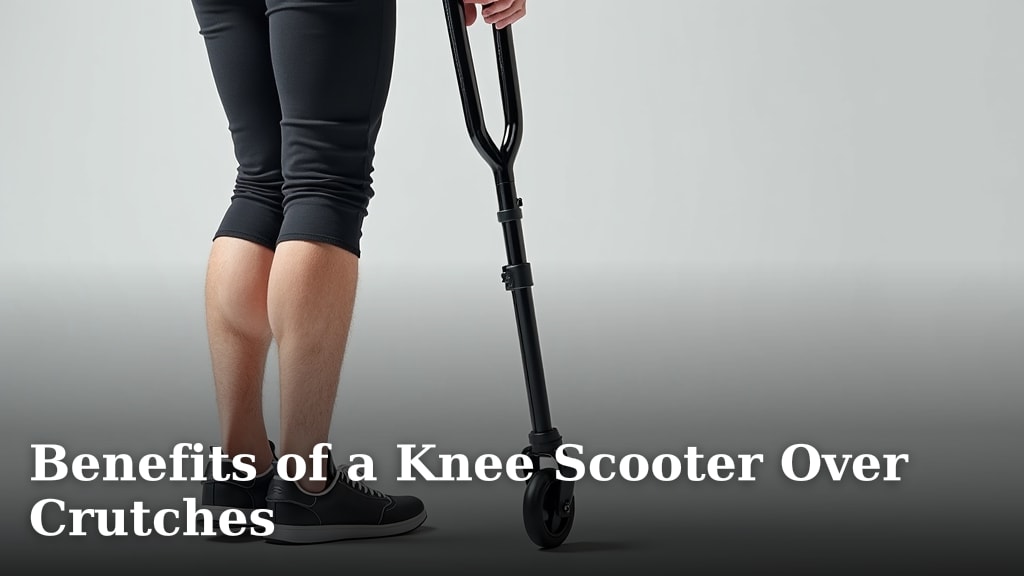
If you’re dealing with a foot or ankle injury, a knee scooter is often a better choice than crutches. You’ll find they offer more freedom and less strain. Knee scooters help you keep moving safely while your injury heals.
Crutches can be awkward and tiring. They often lead to pain in your hands, wrists, and shoulders. A knee scooter, on the other hand, lets you keep your hands free. This can make everyday tasks much easier during your recovery. Many find them more stable and comfortable.
- Knee scooters offer more freedom than crutches.
- They reduce strain on your upper body.
- Hands remain free for daily activities.
- Many users find them more stable and comfortable.
Let’s walk through the specific ways a knee scooter can make your recovery smoother than using crutches.
If you’ve recently injured your foot or ankle, you’re probably facing the decision between crutches and a knee scooter. While crutches have been around forever, knee scooters are gaining popularity. And for good reason! They often make daily life much more manageable during your recovery. Let’s see why.
Why a Knee Scooter Might Be Your Best Bet for Recovery
When your mobility is limited, everyday tasks can feel like climbing a mountain. A knee scooter can make a big difference. It helps you keep moving with less hassle. Many people find it offers a much smoother recovery path.
Mobility and Independence: Keeping You Moving
One of the biggest challenges with crutches is simply getting around. You have to constantly push yourself. This can be exhausting. Your arms and shoulders take a beating.
Regaining Your Freedom of Movement
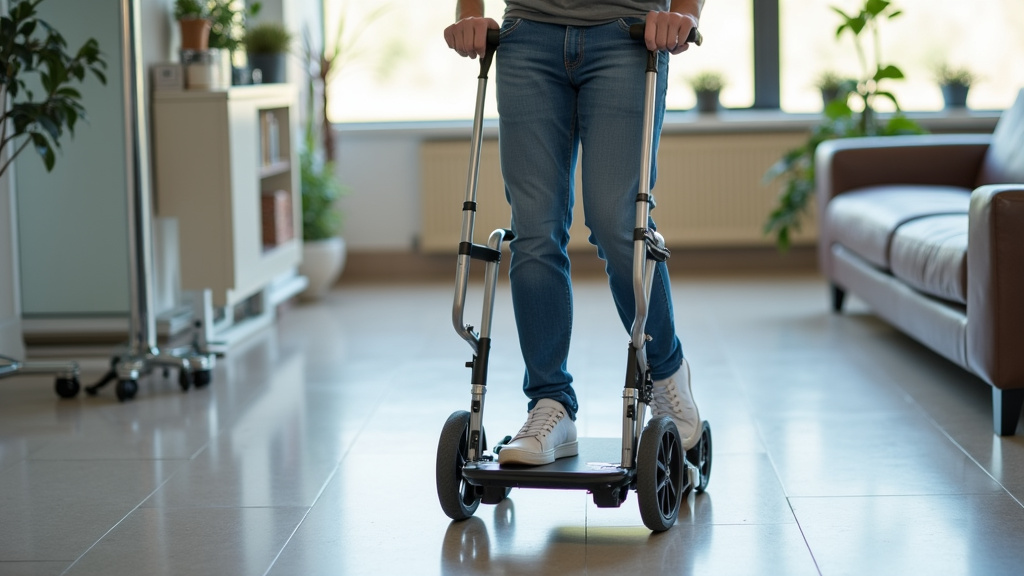
A knee scooter offers a different experience. You place one injured leg on the padded knee rest. Then, you use your good leg to push off the ground. This lets you glide. It’s like having a portable, personal transportation device. You can move around your house or even outdoors with more ease.
Think about it: you can walk to the kitchen for a snack. You can go to the bathroom without a struggle. You can even go out to the mailbox. This level of independence is hard to achieve with crutches. They often require a lot of upper body strength and coordination.
Keeping Your Hands Free for Life
This is a huge advantage. With crutches, your hands are occupied holding the grips. This makes carrying anything nearly impossible. Trying to balance a cup of coffee or a plate of food is a recipe for disaster. You often need someone else to help with simple tasks.
A knee scooter, however, leaves your hands completely free. You can carry a tray. You can hold your phone. You can open doors. You can push a shopping cart (if you’re feeling up to it!). This ability to multitask makes a world of difference. It allows you to maintain a semblance of normalcy.
Comfort and Ergonomics: Your Body Will Thank You
Crutches are notoriously uncomfortable. We’ve all seen people with red, raw underarms. That’s from the constant pressure and friction. Prolonged use can lead to nerve pain or even circulation issues.
Reducing Strain on Your Upper Body
Crutches place a significant amount of stress on your hands, wrists, elbows, and shoulders. Your body weight is supported by these areas. This can lead to aches, pains, and even injuries. Many people end up developing secondary pain from using crutches.
Research often points out these drawbacks. For instance, the American Physical Therapy Association has noted the potential for upper extremity overuse injuries from crutches. You might find yourself with a sore neck, too. It’s a lot for your upper body to handle for weeks.
The Padded Knee Rest Advantage
Knee scooters distribute your weight differently. The pressure is primarily on your knee and lower leg. The knee pad is designed to be comfortable and supportive. This greatly reduces the strain on your arms and shoulders. You can move around for longer periods without the same level of fatigue or discomfort.
Many scooter models offer adjustable knee pads. This allows you to find the perfect height for your comfort. It’s about making your recovery as pleasant as possible. We found that this focus on ergonomic comfort is a key differentiator.
Stability and Safety: Reducing the Risk of Falls
Let’s be honest, crutches can be a bit wobbly. Navigating stairs, uneven surfaces, or even just turning a corner can be tricky. There’s always a nagging worry about slipping or losing your balance.
A More Stable Ride
Knee scooters have a three or four-wheel design. This provides a much more stable base. It’s similar to a tricycle or a low-profile cart. The wider stance offers better balance. This can give you more confidence as you move around.
Many scooters also come with reliable brakes. These hand-operated brakes allow you to slow down or stop quickly and safely. This is essential for preventing accidents. We found that the braking systems are generally quite effective.
Navigating Different Terrains (Carefully!)
While not designed for rough off-roading, knee scooters handle indoor environments and smooth outdoor paths well. Think grocery stores, paved sidewalks, and your own home. The larger wheels on some models can help smooth out minor bumps and cracks.
It’s still important to be cautious. Always scan your path for obstacles. Avoid steep hills or very uneven ground. But for everyday navigation, they offer a secure feeling that crutches often lack. The Mayo Clinic, for example, often recommends mobility aids that promote stability.
Ease of Use and Convenience: Simple Steps to Mobility
Learning to use crutches effectively takes time and practice. It requires proper fitting and instruction from a healthcare professional. Even then, mastering the technique can be challenging for some.
Intuitive Operation
Knee scooters are incredibly intuitive. You hop on, put your injured leg on the pad, and push. There’s very little learning curve. Most people can get the hang of it within minutes. This makes them accessible to a wider range of people, regardless of their upper body strength.
The adjustable height feature is also a big plus. You can easily tailor the scooter to your specific needs. This ensures a comfortable and effective fit. We found that this simplicity is a major reason people prefer them.
Portability and Storage
Many knee scooters are designed to be foldable. This makes them easier to store in a car trunk or a closet when not in use. This convenience is a significant advantage over bulky crutches that can be awkward to transport.
If you need to put it in your car to go to a doctor’s appointment, a foldable scooter is a lifesaver. You won’t have to wrestle with it. It just tucks away neatly. This makes them a practical choice for daily life.
Daily Tasks Made Easier: A Practical Comparison
Let’s put this into perspective with some everyday scenarios. Imagine needing to get a glass of water from the kitchen.
With Crutches: You’ll likely need to make two trips. One trip to carry a cup, and another trip to carry water. Or, you might try to balance a cup precariously while on crutches, hoping for the best. It’s a stressful process.
With a Knee Scooter: You glide to the kitchen with both hands free. You can easily grab a glass and fill it with water. Then, you glide back to your seating area. It’s a smooth, one-trip process. This efficiency is a huge morale booster.
Here’s a quick look at how they stack up:
| Feature | Knee Scooter | Crutches |
|---|---|---|
| Upper Body Strain | Minimal | High |
| Hands Free | Yes | No |
| Stability | High (3-4 wheels) | Moderate (requires balance) |
| Ease of Use | Very Easy | Requires practice |
| Portability | Often foldable | Bulky, can be awkward |
| Comfort | Generally higher | Can cause pain |
Quick Checklist for Your Recovery Choice
When considering your options, ask yourself these questions:
- Do I need to carry items easily?
- Will I be using my mobility aid for extended periods?
- Is reducing strain on my arms and shoulders a priority?
- Do I want to maintain as much independence as possible?
- Is ease of use important for my recovery?
Answering “yes” to these questions often points towards a knee scooter being a better fit for your needs. It helps keep you moving forward, even when one foot needs to rest. It’s about making your healing journey less of a burden.
Conclusion
When you’re recovering from a foot or ankle injury, choosing the right mobility aid can make all the difference. As we’ve seen, knee scooters offer a compelling alternative to traditional crutches. They provide greater independence, keep your hands free for daily tasks, and significantly reduce strain on your upper body. Their inherent stability and ease of use also contribute to a more comfortable and less frustrating recovery period. If you’re looking for a way to navigate your healing journey with more freedom and less discomfort, consider making the switch to a knee scooter. Your body will thank you for it. Visit your local medical supply store or ask your doctor about trying one out.
Frequently Asked Questions
Can a knee scooter help me go up and down small ramps or inclines?
Knee scooters can manage small, gentle inclines with careful use. Always use your brakes to control your descent. For significant slopes or very uneven terrain, crutches might still offer more control, but they require more upper body strength.
Are knee scooters difficult to steer in tight spaces, like a bathroom?
Most knee scooters have a good turning radius and are surprisingly maneuverable. The handlebars can often turn independently, allowing you to navigate narrower hallways and rooms. We found them to be quite agile for indoor use.
What if my injured leg is very swollen? Will a knee scooter still be comfortable?
Knee scooters have padded knee rests designed for support. If swelling is severe, you may need to adjust the pad height or use extra padding. However, the ability to keep your hands free often makes managing comfort easier than with crutches.
Can I use a knee scooter for a long-term recovery, like after surgery?
Yes, knee scooters are excellent for extended recovery periods. Their ergonomic design reduces the fatigue and pain often associated with long-term crutch use. Many users report them as being much more sustainable for weeks or months of recovery.
How do I know if a knee scooter is the right height for me?
The knee pad should allow your injured leg to rest comfortably with your knee bent at roughly a 90-degree angle. Your good leg should be able to comfortably push off the ground. Most scooters offer adjustable height settings to accommodate different user heights.