Knee Scooter vs. Walking Boot: The Basics
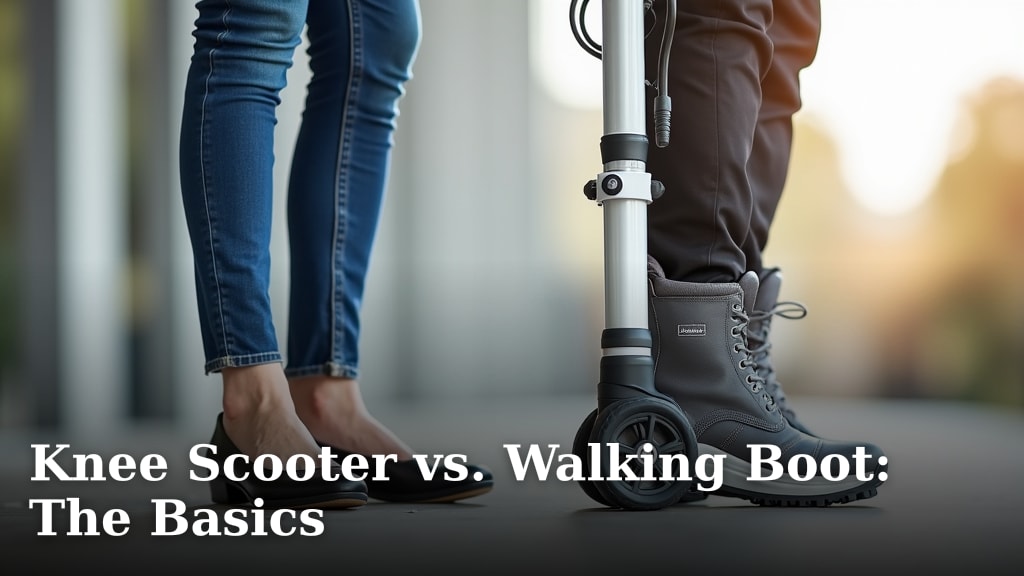
When recovering from a foot or ankle injury, choosing between a knee scooter and a walking boot is a common decision. A knee scooter offers more mobility and freedom for many people, allowing you to move around your home and even outside with greater ease than a traditional walking boot.
While both devices help you avoid putting weight on an injured leg, they differ in how they achieve this. We found that a knee scooter allows for a more natural walking gait and can feel less cumbersome for daily tasks. A walking boot, while effective, often requires crutches, making movement more challenging.
- Knee scooters provide more freedom of movement.
- Walking boots are effective but often require crutches.
- Consider your daily activities and home environment.
- Both aim to keep weight off your injured leg.
Let’s break down the key differences and help you decide which might be the better fit for your recovery journey.
Comparing Knee Scooters and Walking Boots for Injury Recovery
When you’re dealing with a leg or foot injury, getting around can feel like a major challenge. You might be wondering about the best way to keep weight off your injured limb while still managing your daily life. Two popular options are knee scooters and walking boots. Both help you avoid putting pressure on your foot or ankle, but they work quite differently.
We’ve looked into how these mobility aids function. A knee scooter lets you glide around using your good leg. A walking boot, often called a CAM walker, is more like a stiff shoe that immobilizes your lower leg and foot. Understanding these basic differences is the first step in picking the right one for your recovery needs.
How a Knee Scooter Works
Imagine a bicycle, but without the pedals and with a place to rest your knee. That’s a good way to picture a knee scooter. It typically has two wheels, a handlebar for steering, and a padded platform. You place your injured leg on the platform and use your good leg to push off the ground, like you’re on a scooter.
This method of movement is often seen as more active and freeing. It allows you to maintain a more natural upright posture. Many people find it easier to navigate their homes and even go for short walks outside. It can feel less restrictive than other mobility options.
Key Features of Knee Scooters
- Wheels: Usually two to four wheels for stability and smooth rolling.
- Handlebars: For steering and balance. Some have adjustable heights.
- Knee Pad: A padded surface to comfortably rest your injured leg.
- Brakes: Essential for stopping safely. Hand-operated brakes are common.
- Basket (Optional): Some models come with a small basket for carrying personal items.
Benefits of Using a Knee Scooter
One of the biggest advantages is the ability to move without crutches. Crutches can be awkward and tiring to use for extended periods. A knee scooter can also help maintain better balance for some users. You can often keep your hands free to carry small items, which is a real plus for daily tasks.
We found that many users report less strain on their hands, wrists, and shoulders compared to using crutches. The ability to move with a more natural gait can also help prevent secondary issues like back pain. It’s a way to stay mobile and maintain a sense of normalcy during recovery.
How a Walking Boot Works
A walking boot, also known as a CAM walker (short for controlled ankle motion), is a medical device. It’s designed to protect and immobilize your foot and ankle. Think of it as a sturdy, protective shell that goes around your lower leg and foot.
You typically wear your regular sock on your injured foot inside the boot. Straps, often made of Velcro, secure the boot in place. The boot has a rigid sole that prevents your foot from bending. This immobilization is key to allowing fractures or soft tissue injuries to heal properly.
Key Features of Walking Boots
- Rigid Shell: A hard outer casing to protect the injured area.
- Straps: Velcro straps allow for adjustable and secure fitting.
- Sole: A flat, stiff sole that prevents ankle movement.
- Liner: A soft, removable liner for comfort and hygiene.
- Adjustable Air Bladders (Some models): Some boots have air bladders you can inflate to provide extra compression and support.
Benefits of Using a Walking Boot
Walking boots offer excellent protection and stability for the injured area. They are specifically designed to limit movement, which is crucial for certain types of injuries. Many doctors recommend them for healing broken bones or severe sprains. They ensure that your foot and ankle remain in a protected position.
Unlike a knee scooter, a walking boot is a medical device prescribed by a healthcare professional. It’s often part of a larger treatment plan. The boot’s design helps to reduce swelling and pain by providing consistent support. It’s a direct way to manage the healing process for specific injuries.
Knee Scooter vs. Walking Boot: A Direct Comparison
Deciding between these two aids often comes down to your specific injury, your lifestyle, and your home environment. Both serve the primary purpose of keeping weight off your injured leg, but their approach and user experience differ significantly.
Mobility and Ease of Use
When it comes to day-to-day movement, knee scooters generally offer more freedom. You can move around your house and even outside with relative ease. Many users find them simpler to operate than crutches, which often accompany walking boots. Navigating stairs can be a challenge with either device, but some find the scooter easier for short, controlled descents if done carefully.
Walking boots, especially when used with crutches, can make simple tasks feel like an obstacle course. However, some walking boots are designed to be worn without crutches, especially if the injury is less severe or if you’re in a later stage of recovery. The boot itself provides stability, allowing you to take tentative steps.
Comfort and Ergonomics
Comfort is a big factor in recovery. Knee scooters can be quite comfortable for longer periods of use, as they allow you to stand upright and don’t put pressure on your arms or wrists. The padded knee rest is designed for extended support. However, if you have knee pain or issues, this might not be ideal.
Walking boots offer excellent protection, but they can feel bulky and sometimes cumbersome. The rigid structure might cause chafing or pressure points if not fitted correctly. Many users find they need to adjust their gait significantly when wearing a boot. Some research suggests prolonged use of walking boots can lead to muscle atrophy in the lower leg (National Institutes of Health).
Injury Type and Medical Recommendation
The choice often depends heavily on your doctor’s recommendation and the nature of your injury. For serious fractures of the foot or ankle, a walking boot is often the prescribed medical device. It provides the necessary immobilization to ensure proper healing.
Knee scooters are generally recommended for injuries that don’t require complete immobilization but still prevent weight-bearing. This can include sprains, stress fractures, or post-surgery recovery where some mobility is encouraged. It’s always best to consult with your healthcare provider to determine which device aligns with your specific medical needs.
Cost and Accessibility
Both knee scooters and walking boots can be rented or purchased. Rental is often a more cost-effective option for shorter recovery periods. Purchasing offers ownership and the flexibility to use it as needed. Prices can vary widely depending on the model, brand, and features.
Many insurance plans may cover the cost of a walking boot, as it’s a prescribed medical device. Coverage for knee scooters can be less consistent, though some plans might consider them medically necessary equipment. Always check with your insurance provider about what is covered.
| Feature | Knee Scooter | Walking Boot |
|---|---|---|
| Primary Function | Mobility aid; keeps weight off injured leg via rolling motion. | Medical device; immobilizes and protects injured foot/ankle. |
| How You Move | Pushing off with the good leg. | Walking with the boot on; may require crutches. |
| Weight Bearing | Keeps full weight off injured leg. | Keeps full weight off injured leg. |
| Hands Free? | Yes, generally. | Depends on use with crutches. |
| Common Uses | Sprains, fractures (non-severe), post-op mobility. | Fractures, severe sprains, post-op immobilization. |
| Medical Necessity | Often an optional mobility aid. | Often a prescribed medical device. |
Making Your Choice: A Quick Checklist
To help you decide, consider these points:
- Your Doctor’s Advice: What does your healthcare provider recommend?
- Type of Injury: Is immobilization or just non-weight bearing needed?
- Your Home Environment: Are there many stairs or narrow spaces?
- Your Daily Activities: How much do you need to move around?
- Your Physical Condition: Do you have other issues like back pain or knee problems?
- Budget: What are your options for renting or buying?
Conclusion
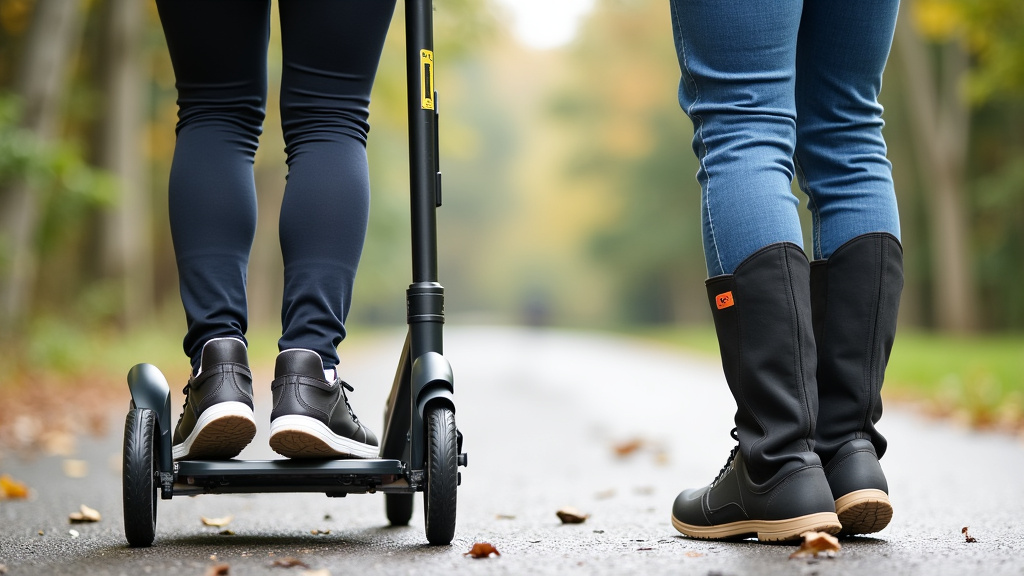
Choosing between a knee scooter and a walking boot depends on your unique situation. A knee scooter offers greater freedom for many injuries, allowing a more natural way to move around your home and daily environment. Meanwhile, a walking boot provides essential immobilization for more severe injuries, offering robust protection. We found that understanding your doctor’s advice, the nature of your injury, and your personal needs is key. Always discuss your options with your healthcare provider to make the best choice for your recovery journey.
Frequently Asked Questions
Can I use a knee scooter if I have knee pain?
If you experience knee pain, a knee scooter might be uncomfortable. The device requires you to place your injured knee on a padded platform. You should discuss any existing knee issues with your doctor before deciding on a knee scooter.
How long do people typically use a knee scooter or walking boot?
The duration of use varies greatly depending on the injury and your doctor’s recommendations. Some people may only need a device for a few weeks, while others might require several months of non-weight bearing support for healing.
Are knee scooters difficult to maneuver indoors?
Knee scooters are generally easier to maneuver indoors than crutches. Their design allows for tighter turns in most home environments. However, very narrow hallways or cluttered spaces can still present challenges.
Can I shower while wearing a walking boot?
Most walking boots are not waterproof and should be kept dry. You will likely need to remove the boot to shower. Consider using a shower chair and taking extra precautions to keep your injured foot elevated and protected when not in the boot.
Will insurance cover the cost of a knee scooter or walking boot?
Walking boots are often prescribed medical devices and may be covered by insurance. Coverage for knee scooters can vary; some insurance plans may consider them medically necessary, while others might not. It’s best to check directly with your insurance provider about your specific policy.