Knee Scooter vs. Crutches: A Closer Look
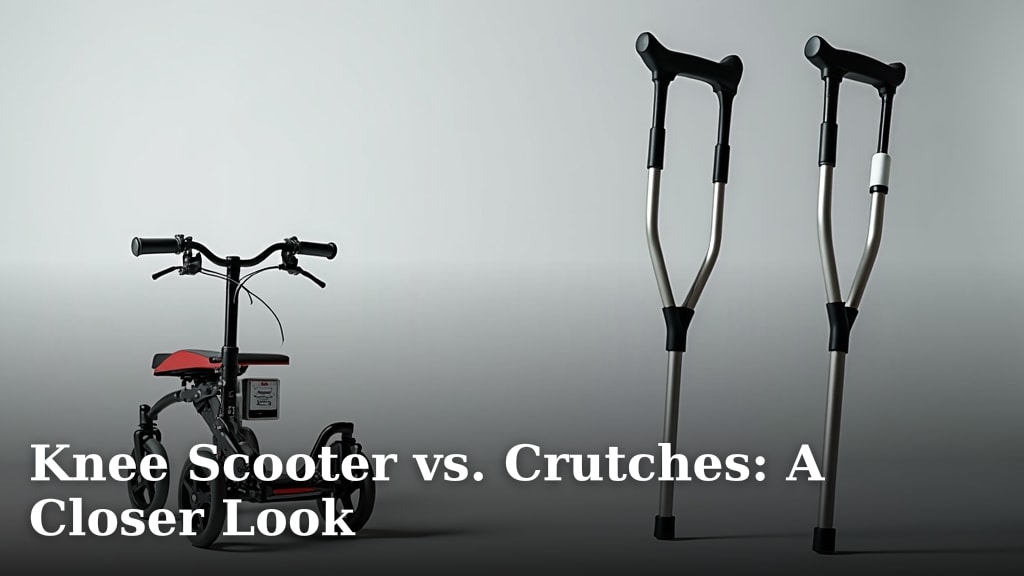
When you’re dealing with a leg injury, choosing between a knee scooter and crutches can feel like a big decision. Both help you get around, but a knee scooter often provides more freedom and mobility for many users. We found that scooters can make everyday tasks easier while helping you maintain a more natural posture.
Navigating life with a temporary mobility challenge means finding the right support. Crutches have been around forever, but modern solutions like knee scooters offer a different approach. We looked at how each option impacts your daily life, from walking the dog to just grabbing a snack. Understanding the differences helps you make the best choice for your recovery.
- Knee scooters are generally easier to use for longer distances.
- Crutches can be more portable and better for stairs.
- Scooters allow for a more natural gait and posture.
- Crutches require more upper body strength.
- Your specific injury and daily needs will guide the best choice.
Let’s dive into the details of knee scooters versus crutches, so you can figure out which one is right for you.
Getting Around After an Injury: Scooter vs. Crutches
When you’re sidelined with a leg injury, getting around feels like a full-time job. You’re probably wondering which mobility aid will help you reclaim some independence. We’ve looked at how knee scooters and crutches stack up for daily life.
Understanding Your Mobility Options
Crutches have been the go-to for leg injuries for ages. They’re simple and get the job done. But, for many people, they can be tough on the body. Knee scooters offer a newer approach. They let you keep your injured leg elevated and stable while moving. Many find this makes a big difference in comfort and ease of use.
The Case for Knee Scooters
Imagine zipping through your house without constantly bumping crutches. That’s the promise of a knee scooter. You rest your injured leg on a padded platform. Then, you use your good leg to push off, like a regular scooter. We found that this method requires less upper body strength than crutches. It also helps you maintain a more upright posture. This can mean less strain on your back and shoulders. Understanding the parts of a knee scooter can help with safe operation.
Many users report that knee scooters make it easier to do everyday tasks. Think about making a cup of coffee or grabbing mail from the mailbox. With crutches, these simple acts can feel like an Olympic event. A scooter allows you to carry items more easily, sometimes even with a basket attachment. Many guidelines suggest that keeping weight off an injured limb is key to healing (Cleveland Clinic). Knee scooters help you achieve this while keeping you mobile.
The Role of Crutches
Crutches are tried and true for a reason. They’re often the first thing doctors recommend for certain injuries. They provide stability and allow you to navigate stairs. This is a big advantage over most knee scooters. Crutches require you to use your arms and upper body to propel yourself. This can be a good way to get some exercise. However, it can also lead to fatigue and discomfort in your arms, shoulders, and wrists.
We found that crutches demand a certain level of upper body strength. If you’re not used to that kind of workout, they can feel exhausting. Also, maintaining the correct posture on crutches is important. Poor form can lead to secondary pain. Many people struggle with this over time. If your injury is severe or requires careful limb elevation, crutches might make that harder to manage.
Daily Life Comparisons: Scooter vs. Crutches
Let’s break down how each option impacts your daily routine. We looked at several key areas.
Ease of Use and Mobility
For getting around your home or on smooth outdoor surfaces, knee scooters often win. You can move with a more natural gait. This feels less awkward than the distinctive hop-skip-and-a-lurch of crutches. We found that many people feel more confident and less fatigued using a scooter for longer periods. It feels more like walking, just with one leg doing the work. Crutches can be more challenging for extended use. Your arms can get tired quickly.
Navigating Different Environments
This is where the choice can get tricky. Knee scooters are fantastic on flat surfaces. Think linoleum floors, smooth pavement, or low-pile carpets. However, they struggle with uneven terrain, gravel, or grass. They also don’t do well on stairs. If your home has multiple levels or you frequently encounter obstacles, crutches might be a better fit. They can handle stairs, albeit slowly and with effort. Many experts suggest that using crutches for stairs requires careful technique and supervision (NIH).
Comfort and Posture
We found that knee scooters tend to promote a more natural posture. You can stand more upright. This reduces strain on your back and neck. The padded knee pad offers a comfortable place for your injured leg. Crutches, on the other hand, often force you into a hunched position. Over time, this can lead to significant discomfort in your upper body. Maintaining proper alignment is key for healing and preventing other issues (Mayo Clinic).
Convenience and Portability
Crutches are generally lighter and easier to fold or disassemble. They can be carried more easily and tucked away. Knee scooters are bulkier. While many are foldable, they still take up more space. If you need to transport your mobility aid frequently, like in a car, you’ll want to consider the size and weight of the scooter.
Who Benefits Most?
The best choice really depends on you and your situation.
Ideal Candidates for Knee Scooters
We found that knee scooters are excellent for individuals recovering from:
- Foot or ankle injuries
- Below-the-knee leg fractures
- Surgeries on the foot or lower leg
Ideal Candidates for Crutches
Crutches remain a strong choice for those who:
- Need to navigate stairs regularly
- Have limited space for a scooter
- Can tolerate and benefit from upper body workout
- Have injuries that require precise limb positioning
Making the Right Choice for Your Recovery
We’ve seen how both knee scooters and crutches have their pros and cons. The goal is to find the tool that supports your healing and keeps you moving safely. Consider where you’ll be using it most often. Think about how much upper body strength you have. And don’t forget about comfort. Your doctor or physical therapist can offer personalized advice.
Key Considerations for Your Decision
Here’s a quick checklist to help you decide:
- Your Injury: Where is the injury located? Does it require specific elevation?
- Your Environment: Will you be indoors or outdoors? Are there stairs?
- Your Strength: Do you have good upper body strength?
- Your Stamina: How long will you need to be mobile each day?
- Your Comfort: Which option feels more comfortable and less straining?
- Your Doctor’s Advice: Always consult with your healthcare provider.
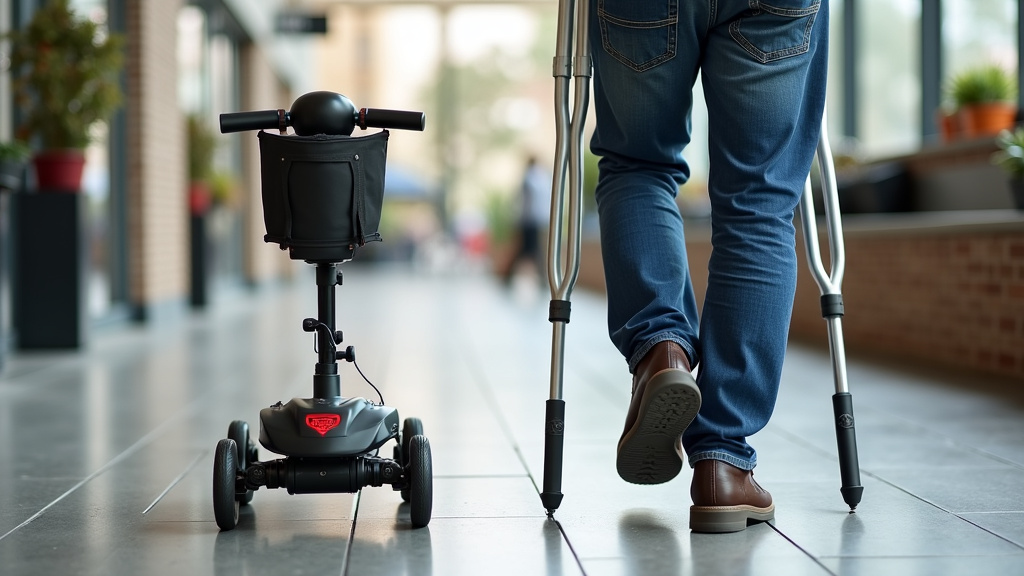
We found that sometimes, a combination is best. You might use a scooter at home and crutches for venturing out. The most important thing is to pick the mobility aid that best supports your recovery journey. This will help you heal faster and with less discomfort.
Conclusion
Choosing between a knee scooter and crutches is about finding the best fit for your unique recovery. We’ve seen that scooters offer more mobility and comfort for many, especially on flat surfaces, while crutches provide an advantage on stairs and uneven terrain. Your injury type, daily environment, and personal strength are key factors. We encourage you to talk with your doctor or physical therapist. They can help you weigh these details and make the most informed decision for your healing journey.
Frequently Asked Questions
Can I use a knee scooter on stairs?
Generally, knee scooters are not designed for use on stairs. Their wheels and structure make them unstable on inclines and steps. For navigating stairs, crutches are typically the safer and more recommended option.
Which is better for my back, a scooter or crutches?
We found that knee scooters often allow for a more natural, upright posture, which can reduce strain on your back. Crutches can sometimes lead to a hunched position, potentially causing back discomfort over time if not used with perfect form.
How much upper body strength do I need for crutches?
Crutches require a good amount of upper body strength. You’ll be using your arms, shoulders, and wrists to support your body weight. If you have limited upper body strength, you might find crutches very tiring.
Are knee scooters easy to transport in a car?
Knee scooters can be bulkier than crutches. While many are foldable, they still take up more space and can be heavier to lift. You’ll want to consider the size and weight if you plan on frequent car travel.
Can I use both a scooter and crutches during my recovery?
Yes, some people find that using both mobility aids is beneficial. You might use a knee scooter for easier movement around your home and switch to crutches for trips outside or when stairs are unavoidable.