What Is a Lightweight Foldable Knee Scooter?
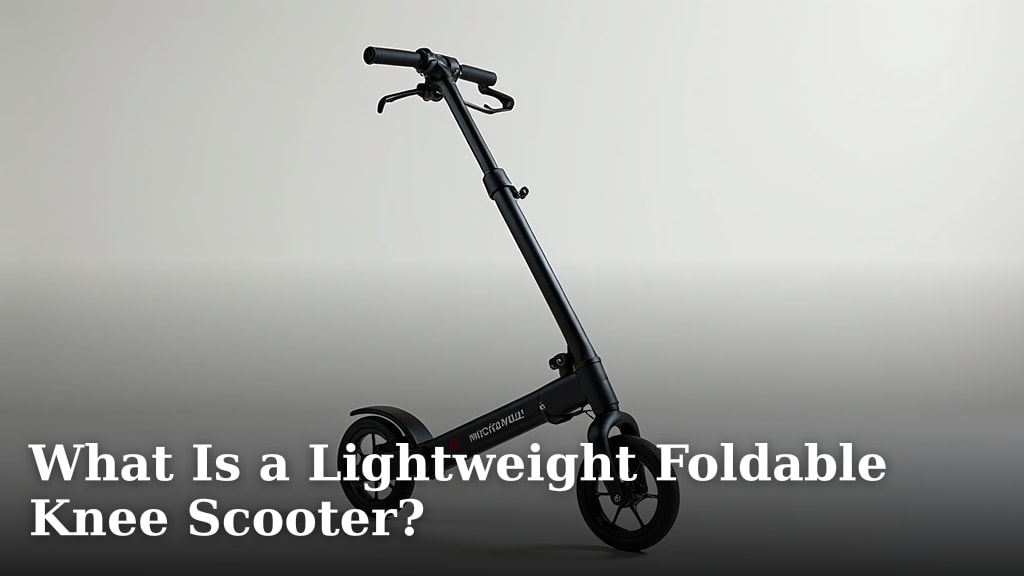
A lightweight foldable knee scooter is a mobility aid that allows you to move around without putting weight on an injured foot or ankle. It features a platform for your injured leg and wheels for easy navigation. Think of it as a bike for your leg, but much more stable and easier to manage.
These scooters are designed for people recovering from injuries like sprains, breaks, or surgery. They offer a hands-free solution that helps you maintain independence during your recovery. Unlike crutches, they can reduce upper body strain. Many users find them more comfortable and less tiring.
- A knee scooter is a mobility device for injured legs.
- It supports your injured leg while you move.
- They are designed for easier movement than crutches.
- Foldable models offer added convenience for storage and transport.
Let’s walk through exactly what a lightweight foldable knee scooter is and why it might be the right choice for your recovery journey.
Understanding Your Lightweight Foldable Knee Scooter
So, you’re dealing with an injured foot or ankle. Ouch! You’re probably looking for a way to get around without the pain of walking and the hassle of crutches. That’s where a lightweight foldable knee scooter comes in. Think of it as your temporary, trusty steed for navigating life while you heal.
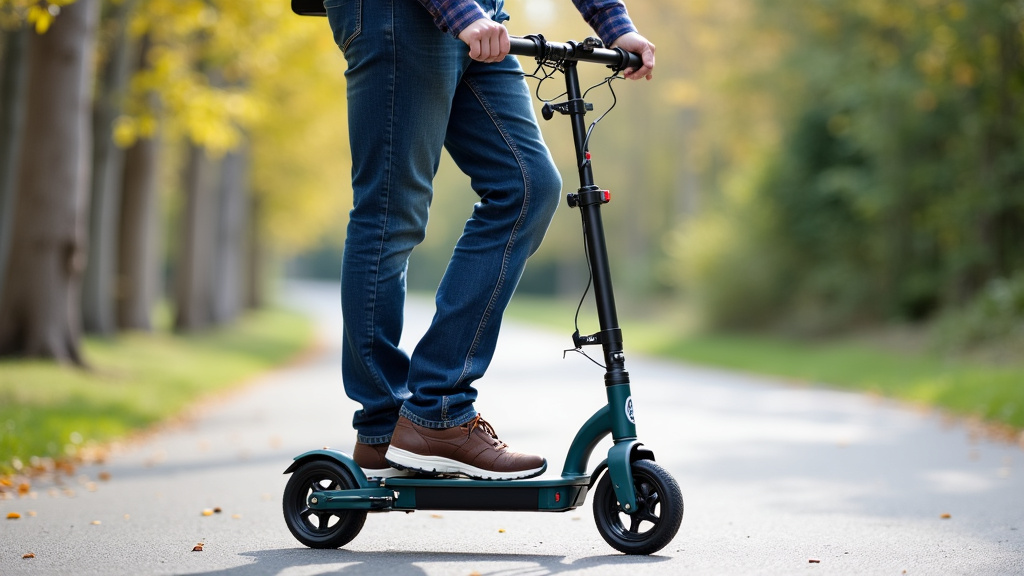
Essentially, it’s a rolling device that lets you keep your injured leg elevated and supported. You place your knee and lower leg on a padded platform. Then, you use your good leg to push off the ground, like a scooter for kids, but built for grown-ups and for recovery. It’s a popular choice because it helps you keep moving with less strain.
What Exactly Does It Do for You?
The main job of a knee scooter is to take the pressure off your injured lower limb. Whether it’s a sprained ankle, a broken bone, or post-surgery recovery, putting weight on it can hurt and slow down healing. A knee scooter lets you keep that limb completely off the ground. This helps prevent further injury and pain.
You steer it using handlebars, just like a bicycle. This gives you a lot of control. The wheels allow you to glide smoothly across floors, sidewalks, and even some rougher surfaces, depending on the scooter’s design. It helps you maintain a sense of independence. You can still go to the kitchen, bathroom, or even run quick errands without help.
Why Choose a Knee Scooter Over Other Options?
Many people find knee scooters a much better alternative to crutches. Crutches can be tough on your hands, wrists, and shoulders. They can also be awkward to use, especially in tight spaces. You might feel like you’re constantly losing your balance.
Research suggests that knee scooters can reduce the risk of secondary injuries that sometimes happen with crutch use, like falls or muscle strain (U.S. Centers for Disease Control and Prevention). Plus, they’re often more comfortable for longer periods. You’re not constantly gripping anything tightly.
There are also walkers and wheelchairs. Walkers offer stability but usually require you to bear some weight. Wheelchairs are great for significant mobility loss but can be bulky and hard to maneuver indoors. A knee scooter strikes a balance, offering mobility for a specific type of leg injury without taking over your entire life.
Key Features of Lightweight Foldable Knee Scooters
When we talk about “lightweight” and “foldable,” these are the features that really make a difference for daily use. Let’s break them down.
The “Lightweight” Aspect
The term “lightweight” here refers to the overall weight of the scooter itself. You might need to lift it to get it into your car, up a small step, or store it. Scooters typically range from 15 to 30 pounds. A lighter model, say under 20 pounds, is much easier to manage. This is especially important if you’re recovering and don’t have a lot of strength.
Even a few pounds can make a big difference when you’re already feeling tired or weak. Look for scooters made from materials like aluminum, which is strong but lighter than steel. This lightness contributes to ease of use and portability.
The “Foldable” Convenience
This is where the magic happens for storage and transport. A foldable knee scooter can be collapsed into a more compact shape. This is a huge advantage. If you live in a smaller home or apartment, finding space to store a bulky item can be a challenge. A folded scooter can often fit in a closet, behind a door, or under a bed.
Taking it with you is also much simpler. Think about doctor’s appointments or visiting friends. You can fold it up and put it in the trunk of most cars. Some models are designed to fold very flat, making them even easier to tuck away. This foldable design offers significant practicality for your daily routine.
Other Important Features to Consider
Beyond being lightweight and foldable, several other components contribute to a good knee scooter experience. Pay attention to these details:
- Adjustable Height: You need to be able to adjust the handlebars and the knee pad to fit your specific height. This ensures proper posture and comfort. Many models offer a wide range of adjustments.
- Padded Knee Rest: The platform where you rest your injured leg should be well-padded. This provides cushioning and prevents discomfort. Look for foam or gel pads.
- Brakes: Reliable brakes are essential for safety. Most scooters have hand brakes that operate similarly to bicycle brakes. Some might also have locking mechanisms for extra security when you stop.
- Wheels: The size and type of wheels matter. Larger wheels tend to handle cracks and uneven surfaces better. Solid rubber tires are common and don’t require inflation, but air-filled tires can offer a smoother ride.
- Weight Capacity: Always check the maximum weight the scooter can support. This ensures it’s sturdy enough for you.
When Is a Lightweight Foldable Knee Scooter the Right Choice?
Deciding if this type of mobility aid is for you involves looking at your specific recovery needs. It’s not a one-size-fits-all solution, but it excels in certain situations.
Ideal Scenarios for Use
These scooters are particularly well-suited for people recovering from injuries to the foot, ankle, Achilles tendon, or lower leg. If your doctor has advised you to keep weight off your injured limb, this is a primary consideration.
They are excellent for short-to-medium term recovery periods. For example, after surgery on your foot or ankle, or during the healing of a fracture. The ability to move around your home and perform daily tasks with relative ease is a big plus. Many users find them more convenient than crutches for navigating indoor spaces.
Who Benefits Most?
If you have a decent amount of strength in your good leg and your upper body is healthy, you’ll likely find a knee scooter very effective. You need to be able to push yourself along and steer.
People who value their independence and want to avoid relying heavily on others will appreciate this device. It allows for a more active recovery. It’s also a good option if you have limited storage space or need to transport the scooter regularly. The lightweight and foldable features are key here.
Considerations Before You Buy
Think about where you’ll be using the scooter most. If you live in an area with very hilly terrain or extremely rough sidewalks, a standard knee scooter might struggle. Some models are designed for outdoor use with larger wheels, but always check the specifications.
Also, consider the duration of your recovery. For very long-term mobility needs, other assistive devices might be more appropriate. Always consult with your doctor or physical therapist. They can offer personalized advice based on your injury and overall health. They might even recommend specific features to look for. For instance, a physical therapist might tell you, “Ensure the handlebar height is correct for your posture.”
Comparing Knee Scooters: A Quick Look
While the core function remains the same, different knee scooters offer varying features and build qualities. Here’s a simplified comparison to help you visualize the differences.
| Feature | Basic Models | Mid-Range Models | Premium Models |
|---|---|---|---|
| Weight | 20-25 lbs | 17-20 lbs | 15-18 lbs |
| Folding Mechanism | Basic latch or pin | Easier trigger or lever | One-click or very compact fold |
| Knee Pad | Standard foam | Contoured foam or gel | High-density gel, ergonomic shape |
| Brakes | Rear wheel lock | Hand brakes, possibly with lock | Dual hand brakes, superior stopping power |
| Wheel Type | Solid, smaller diameter | Solid, medium diameter | Air-filled or larger solid tires |
| Build Material | Steel or basic aluminum | Aluminum alloy | Lightweight aluminum alloy, durable finish |
Remember, the “best” scooter for you depends on your budget, your specific needs, and how often you plan to use it. A heavier, basic model might be perfectly fine for occasional use around the house. If you’re planning to use it daily and transport it frequently, investing in a lighter, more easily foldable option might be worthwhile.
Getting Started with Your Knee Scooter: A Checklist
Once you have your lightweight foldable knee scooter, there are a few things to do before you start zipping around. This checklist will help ensure you’re ready to go safely.
- Read the Manual: Every scooter comes with instructions. Take a few minutes to read them carefully.
- Adjust the Height: Make sure the handlebars and knee pad are set to the correct height for you. This is key for comfort and balance.
- Test the Brakes: Get familiar with how the brakes work. Practice engaging them while stationary and while moving slowly.
- Check Tire Pressure (if applicable): If your scooter has air-filled tires, ensure they are inflated to the recommended pressure.
- Practice Indoors First: Before venturing outside, practice steering and stopping in a safe, clear area, like a hallway or large room.
- Store it Properly: Use the folding feature to store it in a safe place where it won’t be a tripping hazard.
Conclusion
You’ve learned how a lightweight foldable knee scooter can be a real help during your foot or ankle recovery. It offers a stable, hands-free way to move, reducing strain compared to crutches. The lightweight design makes it easier to handle, while the foldable feature is perfect for storage and transport. By understanding its features and knowing when it’s the right choice for you, you can make an informed decision about your mobility aid.
Consider your daily needs and recovery timeline. Always consult your doctor or physical therapist for personalized advice to ensure you choose the best option for your healing journey. Your comfort and independence are key to a smooth recovery.
Frequently Asked Questions
How much weight can a lightweight foldable knee scooter typically support?
Most lightweight foldable knee scooters are designed to support between 250 to 350 pounds. Always check the specific weight capacity listed by the manufacturer to ensure it meets your needs safely. This information is usually found in the product’s specifications.
Are knee scooters suitable for outdoor use on sidewalks?
Many knee scooters can handle smooth outdoor surfaces like sidewalks. However, rough terrain, large cracks, or steep hills can be challenging. Look for models with larger wheels or specialized outdoor designs if you plan to use it frequently outside your home.
How do I adjust the knee scooter for my height?
You’ll typically adjust both the handlebars and the padded knee rest to the correct height. The goal is to keep your injured leg bent at a comfortable 90-degree angle and maintain an upright posture. Most models have quick-release levers or pins for easy adjustment.
Can I use a knee scooter if I have balance issues?
While knee scooters offer more stability than crutches, they still require some balance and strength in your good leg. If you have significant balance issues, it’s best to discuss this with your doctor or physical therapist. They can advise if a knee scooter is appropriate for you.
How do I maintain my knee scooter to keep it in good working order?
Regular maintenance involves cleaning the scooter, especially the knee pad and brakes. Check that all bolts and fasteners are tight. If your scooter has air-filled tires, ensure they are properly inflated. Periodically test the brakes to confirm they are functioning correctly.