Non Weight Bearing Knee Scooter: Key Facts
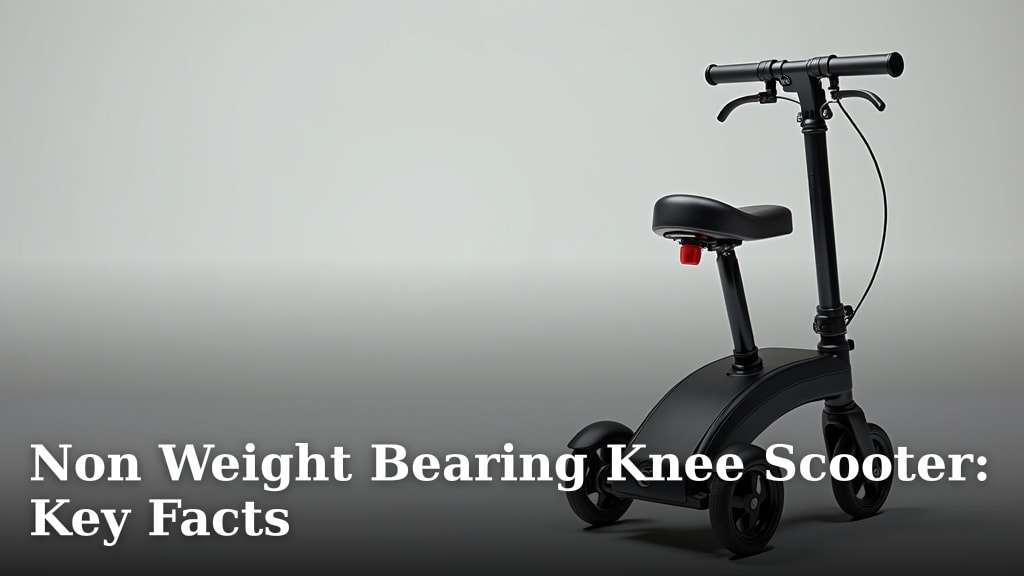
A non weight-bearing knee scooter is a mobility aid that allows you to rest your injured leg completely. It’s designed to help you move around your home or office without putting pressure on your knee, ankle, or foot. This can significantly speed up your recovery. You get a stable platform for your leg and wheels for easy movement.
These scooters are a smart alternative to crutches for many people. They offer more freedom and stability. You can keep your hands free for daily tasks. Many users find them much easier to manage than traditional crutches. They are built for comfort and independence during your healing period.
- What is a knee scooter?
- How does it help with recovery?
- Why is it better than crutches?
- What are the key features to look for?
- Who can use one?
Ready to learn more about how a non weight-bearing knee scooter can help you? Let’s walk through the essential facts you need to know.
Understanding Your Non Weight-Bearing Knee Scooter Options
So, you’re dealing with a knee, ankle, or foot injury. That means putting weight on it is a no-go. You need a way to get around that’s easier and safer than crutches. That’s where a non weight-bearing knee scooter shines. It lets you keep that injured limb completely off the ground. This guide will walk you through the key facts.
How a Knee Scooter Aids Your Recovery
Think of a knee scooter as your temporary set of wheels for healing. It provides a stable platform for your injured leg. You rest your knee or shin on a padded area. Your other leg is used to push off the ground, like a scooter you might have ridden as a kid. This reduces stress on your injured limb. It helps prevent further damage while you heal.
By keeping weight off, you encourage blood flow. This can speed up the healing process. Many medical professionals recommend them. They are especially useful after surgery or for injuries like sprains or fractures. The goal is to help you maintain as much mobility and independence as possible. It’s all about making recovery less of a hassle.
The Mechanics of Getting Around
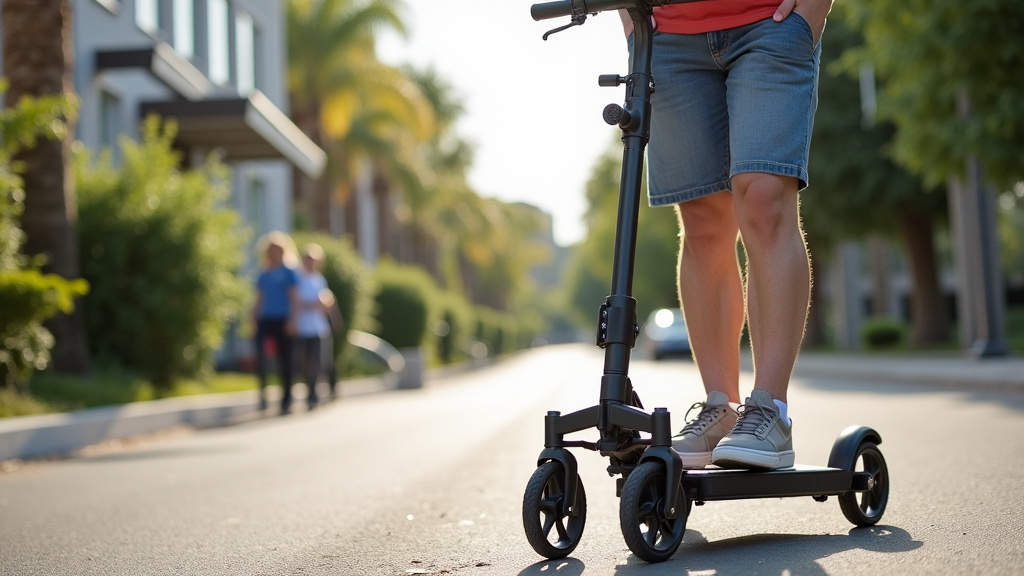
Using a knee scooter is pretty straightforward. You place your injured leg on the padded support. It’s usually adjustable to fit your height. Then, you use your good leg to propel yourself forward. You can also steer the scooter. This allows for surprisingly good maneuverability. It’s much easier than trying to balance on crutches.
The wheels are designed to roll smoothly on most indoor surfaces. This means you can navigate your home or office with relative ease. You can still carry things, too. Many scooters have a basket or space under the handle. This lets you bring essentials with you. It’s about regaining some normalcy during a difficult time.
Why a Knee Scooter Beats Crutches
Crutches can be a real pain. They are hard to balance on. They can cause blisters on your hands. Plus, they make it tough to do everyday tasks. You can’t easily carry a drink or open a door with crutches. A knee scooter solves many of these problems.
With a knee scooter, your hands are free. You can use them to open doors, carry a plate, or hold your phone. This makes a huge difference in your daily life. Research suggests that knee scooters can lead to a quicker recovery. They also tend to be more stable. This means fewer falls and less risk of re-injury.
Stability and Safety Features
Stability is a big deal when you’re injured. Knee scooters are built with this in mind. They have a sturdy frame and typically three or four wheels. This provides a solid base. Many models include hand brakes. These brakes work like bicycle brakes. They give you excellent control. You can slow down or stop safely.
The padded leg rest is designed for comfort. It helps distribute pressure evenly. This is important to prevent sores or discomfort. Some rests are contoured. Others offer extra cushioning. Always ensure the scooter is the right height for you. Proper adjustment is key for both safety and comfort. Many models are designed to support a significant amount of weight, typically up to 300-350 lbs (Mayo Clinic).
Comparing Knee Scooters and Crutches Side-by-Side
Let’s look at a quick comparison. It helps to see the differences clearly. You might be surprised by the advantages.
| Feature | Knee Scooter | Crutches |
|---|---|---|
| Weight Bearing | Non weight-bearing; injured leg fully supported | Non weight-bearing; leg suspended, can be tiring |
| Stability | High; stable base with wheels | Lower; requires good balance, risk of falls |
| Hand Use | Hands are free for tasks | Hands are occupied; difficult to carry items |
| Ease of Use | Generally easier to maneuver, especially indoors | Can be challenging, requires upper body strength |
| Comfort | Padded leg rest, adjustable height | Can cause hand/arm fatigue and blisters |
| Recovery Speed | Often associated with quicker recovery due to less stress | Can slow recovery if mobility is severely limited |
Essential Features to Consider
When you’re looking for a knee scooter, a few features stand out. You want something that fits your needs and lifestyle. Don’t just pick the first one you see. Take a moment to consider these important points.
Adjustability for Your Comfort
Height adjustment is non-negotiable. You need to be able to set the leg rest and handlebars to your perfect height. This ensures you can keep your injured leg at a comfortable angle. It also means your good leg can push off effectively. Look for models with easy-to-use adjustment mechanisms. A good range of adjustment is best. This makes sure it will fit you properly.
Braking System Importance
A reliable braking system is a safety must-have. Most knee scooters have handlebar brakes. These allow you to control your speed and stop securely. Some models might offer a locking brake. This is useful when you are stationary. You don’t want your scooter rolling away from you. Test the brakes if you can, or read reviews carefully.
Wheel Size and Type
The wheels affect how smoothly the scooter rolls. Larger wheels tend to handle uneven surfaces better. They can also provide a smoother ride. If you plan to use the scooter mostly indoors on smooth floors, standard wheels might be fine. If you anticipate needing to go over thresholds or slightly rougher ground, consider larger, wider wheels. Some are even air-filled for extra shock absorption.
Portability and Storage
Will you need to transport your scooter often? Many knee scooters are designed to fold. This makes them easier to store in a car trunk or closet. Check the weight of the scooter itself, too. A lighter model will be easier to lift and move around. Some can even be disassembled for transport.
Weight Capacity and Durability
Always check the maximum weight capacity. Ensure it’s well above your own weight. This guarantees the scooter is strong enough. Look for sturdy materials like steel or robust aluminum. Good construction means it will last through your recovery period and beyond. Many quality scooters can support up to 300 or 350 pounds (CDC recommendations for assistive devices).
Who Can Benefit from a Knee Scooter?
A knee scooter isn’t for everyone, but it’s great for many. You’re a good candidate if you have an injury below the knee. This includes problems with your foot, ankle, or lower leg. Sprains, fractures, Achilles tendon injuries, and foot surgery recovery are common reasons.
You should also consider one if you find crutches difficult to manage. If you want to maintain some independence at home, a scooter is a good choice. It allows you to keep your hands free for simple tasks. It’s a way to keep moving without aggravating your injury. Always consult your doctor or physical therapist. They can confirm if a knee scooter is appropriate for your specific condition.
Understanding the Limitations
It’s important to be realistic. Knee scooters are not suitable for injuries to the knee itself. They also aren’t ideal for significant balance issues. You need to be able to use your good leg to propel yourself. If you have heart or lung conditions that make exertion difficult, discuss it with your doctor. They can help you weigh the pros and cons.
A Checklist for Choosing Your Scooter
Here’s a quick list to help you pick the right one:
- Does it adjust to your height?
- Are the brakes reliable and easy to use?
- Are the wheels suitable for your typical surfaces?
- Is it easy to fold or store if needed?
- Does it meet your weight capacity needs?
- Is it from a reputable manufacturer or retailer?
Conclusion
You’ve learned how a non weight-bearing knee scooter can make your recovery much easier. These scooters offer a stable and comfortable way to stay mobile. They are a great step up from crutches, giving you back your independence. By reducing stress on your injured leg, they support faster healing. Choosing the right scooter involves checking key features like adjustability and brakes. Always discuss your options with your doctor. Now, take the next step in managing your recovery with confidence and ease.
Frequently Asked Questions
Can I use a knee scooter if my injury is to my knee itself?
No, knee scooters are generally not suitable for injuries directly to the knee joint. They are designed for injuries below the knee, such as to the ankle, foot, or lower leg. Your doctor or physical therapist can best advise if it’s appropriate for your specific condition.
How do I ensure the knee scooter is the right height for me?
You’ll want to adjust the padded leg rest so that your injured leg is at a comfortable, 90-degree angle when bent. Your other leg should be able to comfortably reach the ground for propulsion. Most models offer adjustable handlebars and leg rests for a custom fit.
Are knee scooters safe to use on different surfaces?
Knee scooters are best used on smooth, flat indoor surfaces like floors and pavement. Larger wheels can help navigate slightly uneven terrain or small thresholds. Always proceed with caution and ensure the scooter is stable before moving.
What if I need to transport my knee scooter in my car?
Many knee scooters are designed to be foldable or even collapsible. This makes them easier to fit into the trunk of a car or store in a closet. Check the scooter’s specifications for its portability features before purchasing.
How often should I check the brakes on my knee scooter?
It’s wise to check your knee scooter’s brakes regularly, especially before each use. Ensure they engage properly and can stop the scooter effectively. Like any mobility aid, regular maintenance ensures safety and performance throughout your recovery.